


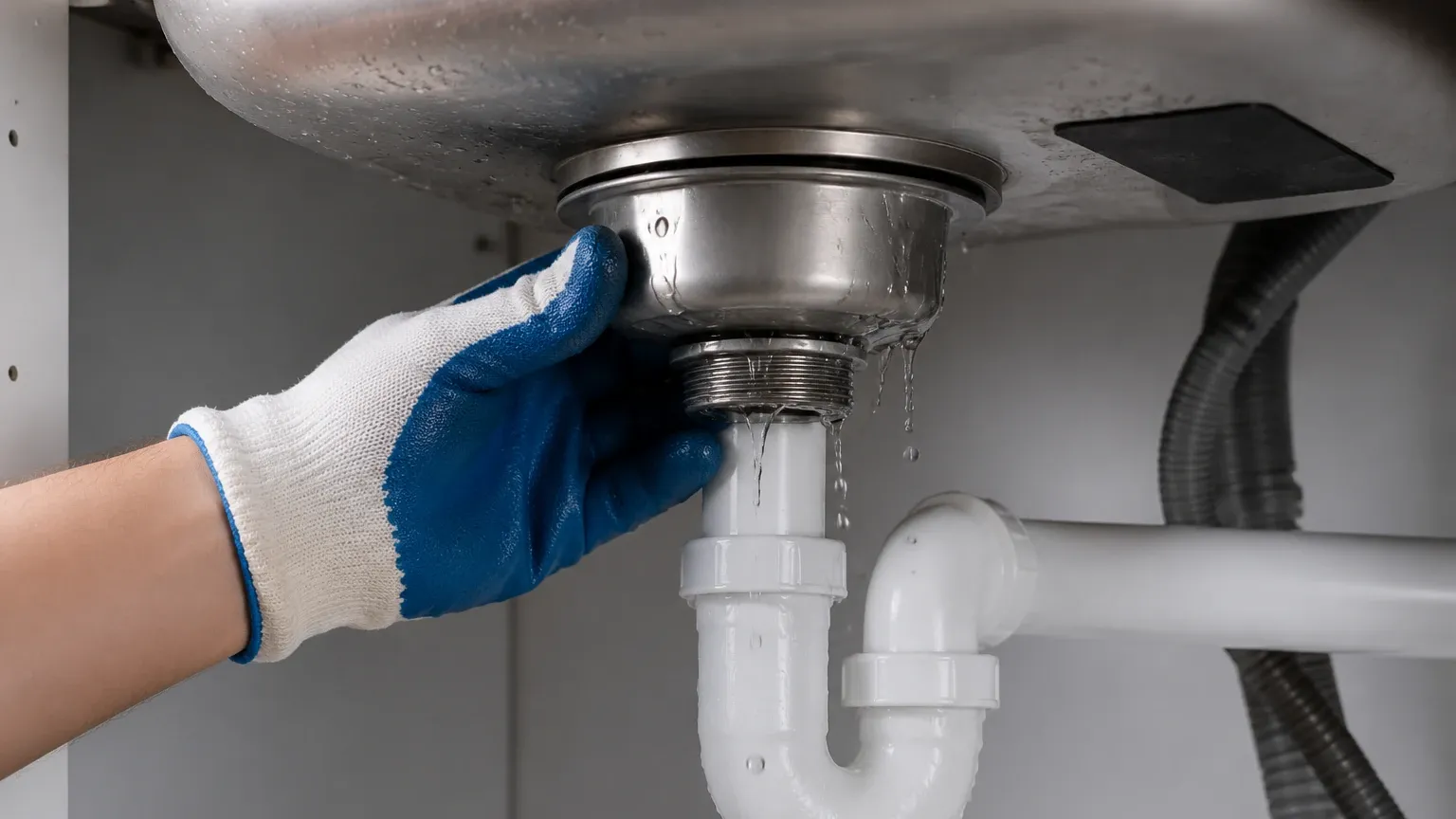
Basket Strainer Leaking Under Sink
In industrial and commercial fluid handling systems, the integrity of filtration components is paramount to operational safety and efficiency. While the phrase "basket strainer leaking under sink" often brings to mind residential plumbing issues, for engineers and facility managers, a leak at the strainer interface in a process line represents a significant technical failure. Whether it is a large-scale chemical processing unit or a precision food and beverage production line, a leaking strainer assembly can lead to fluid loss, environmental contamination, and costly downtime.
Addressing a leak requires more than a simple tightening of components. It demands a technical understanding of the assembly’s mechanics, the materials involved, and the specific stressors of the industrial environment. This guide examines the engineering causes of leakage in Strainers & Baskets, providing professional insights into diagnosis, material selection, and long-term prevention.
Understanding the Mechanics of Strainer Sealing in Industrial Systems
An industrial basket strainer is designed to remove solids from liquids to protect downstream equipment like pumps, valves, and heat exchangers. The "under sink" or underside connection point is typically where the strainer body interfaces with the piping system or a drainage collection point. This connection relies on a combination of mechanical force and specialized sealing materials to maintain a pressure-tight environment.
In high-performance systems, the sealing mechanism usually involves a flange, a threaded connection, or a locknut assembly. Between these metal components lies a gasket or an O-ring, which is the most common point of failure. Unlike residential units, industrial strainers must withstand varying pressures, flow velocities, and chemical exposures. When a basket strainer starts leaking, it is usually because the equilibrium between the internal pressure and the mechanical seal has been compromised.
Common Causes of Leakage in Industrial Basket Strainers
Identifying why a basket strainer is leaking requires a systematic evaluation of the operating conditions. In industrial settings, leaks are rarely the result of a single factor but rather a combination of environmental and mechanical stressors.
1. Gasket and Seal Degradation
The gasket is the primary barrier against leaks. Over time, gaskets can lose their elasticity—a phenomenon known as compression set. In industrial applications, this is often accelerated by thermal cycling, where the constant expansion and contraction of the metal housing and the seal material lead to micro-gaps. If the gasket material is not compatible with the fluid being filtered (e.g., using standard EPDM for hydrocarbon-based fluids), the seal will swell, soften, or crack, leading to a persistent leak.
2. Improper Torque and Mechanical Stress
Installation errors are a frequent cause of leaks. If the locknut or flange bolts are over-tightened, the gasket can be crushed or displaced. Conversely, under-tightening allows fluid to bypass the seal under pressure. In systems with high-frequency vibrations—common in hydraulic or pumping stations—mechanical fasteners can gradually loosen, resulting in a basket strainer leaking under sink or at the pipe junction.
3. Corrosion and Pitting
For stainless steel filtration components, localized corrosion can compromise the sealing surface. Even high-grade 304 or 316 stainless steel can suffer from pitting or crevice corrosion if the fluid contains high concentrations of chlorides or if the pH levels are outside the material's tolerance range. If the "seat" where the gasket rests becomes pitted, a liquid-tight seal becomes impossible to maintain, regardless of how much torque is applied.
Technical Diagnosis: Identifying the Source of the Leak
Before initiating a repair or replacement, engineers must accurately locate the source of the leak. A leak that appears to be coming from the bottom of the strainer (the "under sink" area) may actually originate from further up the assembly.
* The Body-to-Flange Connection: If the leak is occurring at the interface between the strainer body and the piping, the issue is likely the flange gasket or a misaligned pipe run putting undue stress on the connection.
* The Locknut or Retaining Ring: In many basket strainer designs, a large nut secures the assembly to the housing. Leaks here often indicate that the friction-reducing washer has failed or that the threads have been stripped due to cross-threading during installation.
* The Drain Plug: Many industrial strainers include a drain plug at the bottom of the basket chamber. If this plug is not properly sealed with PTFE tape or a compatible thread sealant, it will result in a slow drip that mimics a larger structural leak.
Material Selection and Engineering Standards for Leak Prevention
To prevent a basket strainer leaking under sink in a professional environment, material selection must be aligned with the specific application. Kaifil specializes in manufacturing stainless steel filtration solutions that prioritize durability and precision fitment to mitigate these risks.
Choosing the Right Stainless Steel Grade
* Type 304: Suitable for general industrial use, water treatment, and food processing where moderate corrosion resistance is required.
* Type 316/316L: Essential for pharmaceutical and chemical processing. The addition of molybdenum provides superior resistance to chlorides and acidic environments, ensuring the sealing surfaces remain smooth and intact over years of service.
Gasket Material Compatibility
Engineers must specify gasket materials based on the chemical profile and temperature of the process fluid:
* Viton (FKM): Excellent for high temperatures and chemical resistance.
* PTFE (Teflon): Nearly universal chemical resistance but less resilient (harder to seal) than elastomers.
* Buna-N (Nitrile): The standard for oil and water applications at moderate temperatures.
Maintenance Protocols for Strainers & Baskets
A proactive maintenance schedule is the most effective way to prevent leaks. In industrial environments, the cost of a leak far exceeds the cost of replacement seals.
1. Scheduled Inspection: Regularly check the area "under the sink" or the strainer base for signs of calcification, rust streaks, or moisture. These are early indicators of a failing seal.
2. Replacement Cycles: Gaskets and O-rings should be treated as consumables. Depending on the severity of the application, these should be replaced during every deep cleaning or at set intervals (e.g., every 12 to 24 months).
3. Lubrication: Use food-grade or chemically inert lubricants on O-rings during installation. This prevents the seal from pinching or tearing as the assembly is tightened.
4. Vibration Dampening: If the leakage is caused by mechanical loosening, consider installing vibration isolators or using locking washers designed for high-stress environments.
Custom Solutions and Replacement Considerations
In many legacy industrial plants, a basket strainer leaking under sink is a symptom of using "off-the-shelf" components in applications they weren't designed for. Custom-engineered Strainers & Baskets offer the advantage of precision-machined tolerances that ensure a perfect fit with existing infrastructure.
When evaluating a replacement, engineers should confirm the following:
* Filtration Accuracy: Does the basket mesh size match the particle load? Overloaded baskets increase internal pressure, which can force fluid through the seals.
* Flow Rate Requirements: Ensure the strainer body is sized correctly. Excessive flow velocity can cause turbulence that vibrates the assembly loose.
* Custom Flange Configurations: For specialized machinery, custom-manufactured flanges can eliminate the need for adapters, which are common leak points.
Total Cost of Ownership (TCO) in Filtration
When a purchasing team looks at the problem of a leaking strainer, they must consider the Total Cost of Ownership. A cheaper, low-quality strainer might save on initial capital expenditure, but the recurring costs of leaks—including labor for repairs, lost product, and potential safety hazards—quickly eclipse the initial savings. Investing in high-quality stainless steel components with precision-engineered sealing surfaces is a strategic decision that enhances the reliability of the entire fluid system.
Kaifil’s expertise in OEM and customized filtration solutions allows for the development of components that specifically address the weaknesses of standard designs. By focusing on material integrity and manufacturing precision, the risks of mechanical failure and leakage are significantly reduced.
Conclusion
A basket strainer leaking under sink in an industrial context is a technical challenge that requires an engineering-led solution. By understanding the causes—ranging from material degradation to mechanical stress—and implementing rigorous selection and maintenance standards, facilities can ensure continuous, leak-free operation. Whether you are dealing with a chemical process or a high-pressure hydraulic system, the quality of your Strainers & Baskets is the first line of defense against system inefficiency and environmental risk.
