


Basket Strainer Nut Tool
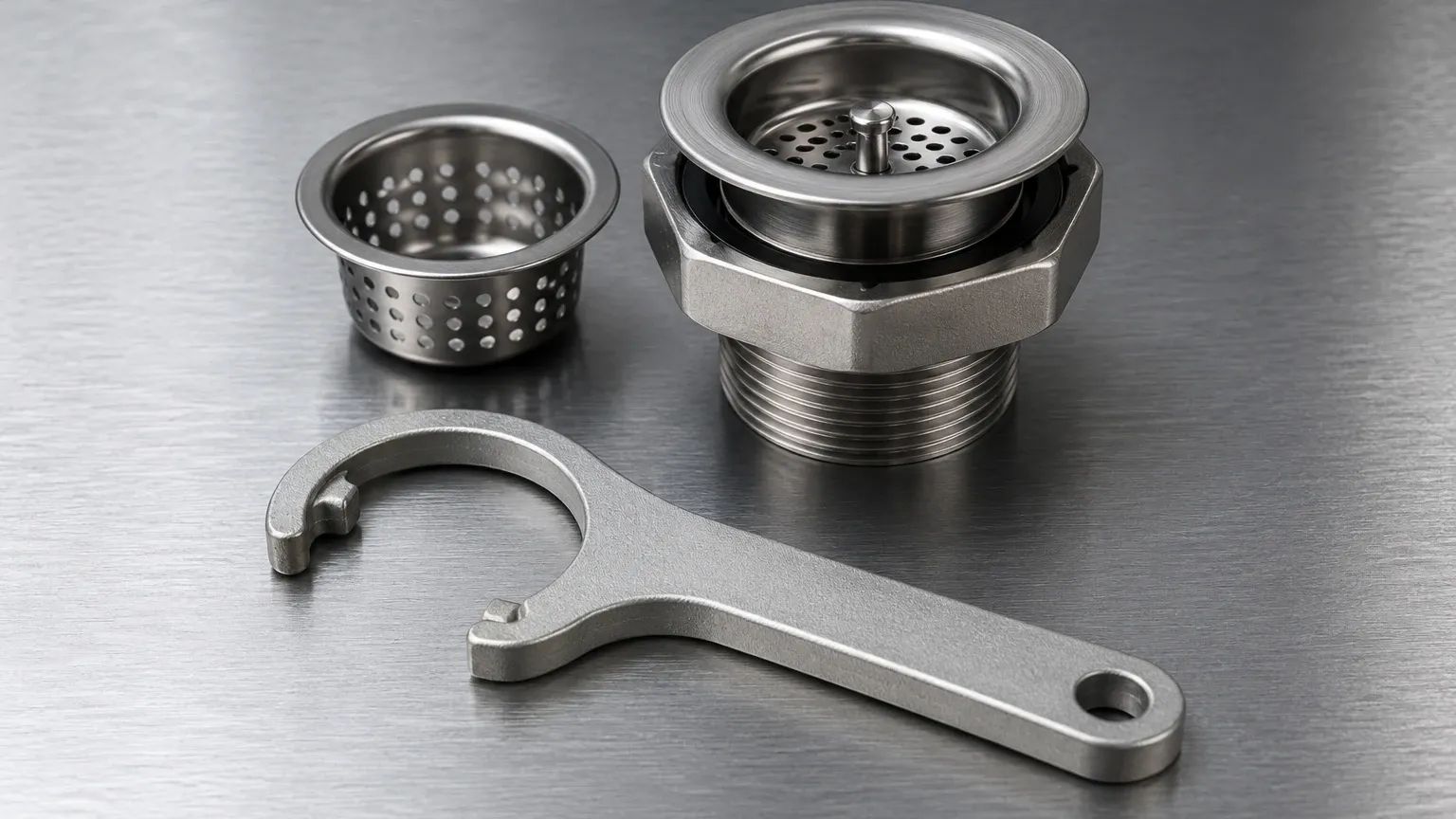
In industrial filtration systems, the integrity of the seal and the ease of maintenance are critical factors that determine operational uptime. While the filtration media itself—such as the wire mesh or sintered metal—is the heart of the system, the mechanical assembly that holds these components in place is equally vital. For engineers and maintenance teams working with large-scale fluid handling, the basket strainer nut tool is an essential specialized instrument designed to interface with the heavy-duty fasteners that secure strainer housings and internal baskets.
Industrial Strainers & Baskets are frequently deployed in environments characterized by high pressure, corrosive chemicals, and extreme temperatures. Ensuring these units are installed to exact torque specifications without damaging the stainless steel components requires a technical understanding of both the filtration hardware and the tools used to service them.
The Engineering Role of the Basket Strainer Nut Tool
A basket strainer nut tool is not a generic wrench; it is a precision-engineered device tailored to the specific geometry of the locknuts or retaining rings used in industrial filtration assemblies. In B2B applications, such as chemical processing or water treatment, these nuts are often large-diameter, thin-profile, or located in recessed housings where standard tools cannot reach.
Mechanical Advantage and Torque Control
Using the correct tool ensures that the mechanical load is distributed evenly across the nut's surface. This is particularly important when dealing with stainless steel alloys, which are susceptible to galling if uneven pressure is applied during tightening. A dedicated tool prevents the rounding of hex corners or the deformation of specialized lugs, which could otherwise lead to a permanent failure of the housing assembly.
Seal Integrity
The primary function of the nut in a basket strainer assembly is to compress the gasket or O-ring to create a leak-proof seal. If the nut is under-tightened, the system may bypass or leak; if over-tightened, the seal can be crushed or the threads stripped. The basket strainer nut tool allows for the application of consistent, measurable force, ensuring the seal performs according to its engineered pressure rating.
Technical Specifications of Industrial Strainers & Baskets
To understand why a specialized tool is necessary, one must look at the construction of the filtration units themselves. Industrial strainers, such as those manufactured by Kaifil, are designed for durability and high-flow efficiency. They typically consist of a housing, a removable basket, and a sealing mechanism.
Material Selection and Compatibility
Most high-performance strainers are constructed from 304 or 316L stainless steel. These materials offer excellent resistance to oxidation and chemical attack. However, the mechanical properties of stainless steel require specific handling. When using a basket strainer nut tool, maintenance personnel must ensure the tool material is compatible to avoid cross-contamination or galvanic corrosion, especially in pharmaceutical or food-grade applications.
Filtration Accuracy and Mesh Design
The baskets within these strainers utilize various layers of wire mesh or perforated plate to achieve specific filtration ratings, ranging from coarse particles to fine microns. The stability of these baskets depends on the secure fitment within the housing. A loose retaining nut can allow vibration, which leads to fatigue in the wire mesh and eventual bypass of contaminants.
Common Challenges in Strainer Maintenance
Engineers often encounter several recurring issues when servicing industrial filtration systems. Addressing these challenges requires a combination of high-quality hardware and proper maintenance protocols.
1. Corrosion and Seizing: In chemical processing, the threads of a strainer nut can become seized over time due to chemical crystallization or minor surface oxidation. A high-leverage basket strainer nut tool is required to break the initial friction without slipping and causing injury or equipment damage.
2. Confined Space Access: Many industrial layouts prioritize space efficiency, placing strainers in tight pipe racks. Offset or thin-walled nut tools are often the only way to perform maintenance without dismantling the entire piping run.
3. Frequent Cleaning Cycles: In the food and beverage industry, strainers must be cleaned frequently to maintain hygiene standards. A tool that allows for rapid disassembly and reassembly without wearing down the fasteners is essential for reducing the total cost of ownership.
Evaluating Filtration Solutions for Demanding Applications
When selecting new filtration components, purchasing teams should look beyond the initial price and consider the long-term maintainability of the system. High-quality Strainers & Baskets are designed with the end-user in mind, featuring accessible fasteners and standardized nut sizes that are compatible with professional-grade tools.
Customization and OEM Requirements
In many cases, standard off-the-shelf strainers do not meet the specific flow rates or pressure drops required by a particular process. Custom filtration manufacturers like Kaifil provide tailored solutions where the housing, basket geometry, and fastening method are optimized for the application. When a custom solution is developed, the engineering team must also consider how the unit will be serviced, sometimes providing or specifying the exact basket strainer nut tool required for the unique design.
Performance Expectations
A well-maintained strainer should provide a predictable pressure drop ($ΔP$) and consistent particle retention. If a strainer is difficult to open due to poor tool interface, maintenance may be deferred, leading to clogged baskets, increased backpressure, and potential pump damage. Therefore, the tool is a critical link in the overall performance chain of the hydraulic or process system.
Best Practices for Installation and Replacement
To maximize the lifespan of both the filtration media and the housing, technical teams should follow a standardized procedure for installation and replacement using the appropriate basket strainer nut tool.
* Inspection: Before installation, inspect the threads of the nut and the housing for any signs of debris or damage. Even a small metal shard can cause galling when torque is applied.
* Lubrication: Use a process-compatible anti-seize lubricant if the application allows. This is particularly important for stainless-to-stainless interfaces.
* Alignment: Ensure the basket is seated correctly in its flange before tightening the nut. The tool should be seated fully on the nut to prevent slipping.
* Torque Sequence: For multi-bolt or large-diameter ring nuts, apply torque in increments. This prevents the gasket from seating unevenly, which is a common cause of bypass in high-precision filtration.
Total Cost Considerations in Industrial Filtration
The choice of a basket strainer nut tool and the quality of the strainers themselves directly impact the operational budget. While a high-quality stainless steel strainer represents a higher initial investment compared to plastic or lower-grade metal alternatives, the durability and reliability offer significant savings over the equipment's lifecycle.
Reducing Downtime
In a 24/7 manufacturing environment, every minute of downtime is costly. A specialized tool that allows a technician to swap a clogged basket for a clean one in five minutes instead of twenty can save thousands of dollars annually. This efficiency is only possible when the strainer design and the maintenance tools are perfectly matched.
Extending Component Life
Improper tools often lead to the "rounding" of nuts, which eventually requires the nut to be cut off, potentially damaging the housing threads. By using the correct basket strainer nut tool, the fasteners remain in pristine condition, allowing for hundreds of service cycles without the need for replacement parts.
Conclusion: Precision in Every Component
In the world of industrial filtration, success is measured by the absence of contaminants and the continuity of the process. Every component, from the finest wire mesh to the heavy-duty retaining nut, plays a role in this success. By investing in high-quality Strainers & Baskets and ensuring that maintenance teams are equipped with the correct basket strainer nut tool, companies can ensure their filtration systems operate at peak efficiency.
Whether you are managing a chemical refinery, a food processing plant, or a hydraulic power unit, understanding the technical nuances of strainer maintenance is essential. Precision in fastening leads to reliability in filtration, protecting both your downstream equipment and your final product quality. For engineers seeking to optimize their systems, focusing on the interface between the hardware and the maintenance tools is a practical step toward achieving long-term operational excellence.
