


Drain Strainer Baskets
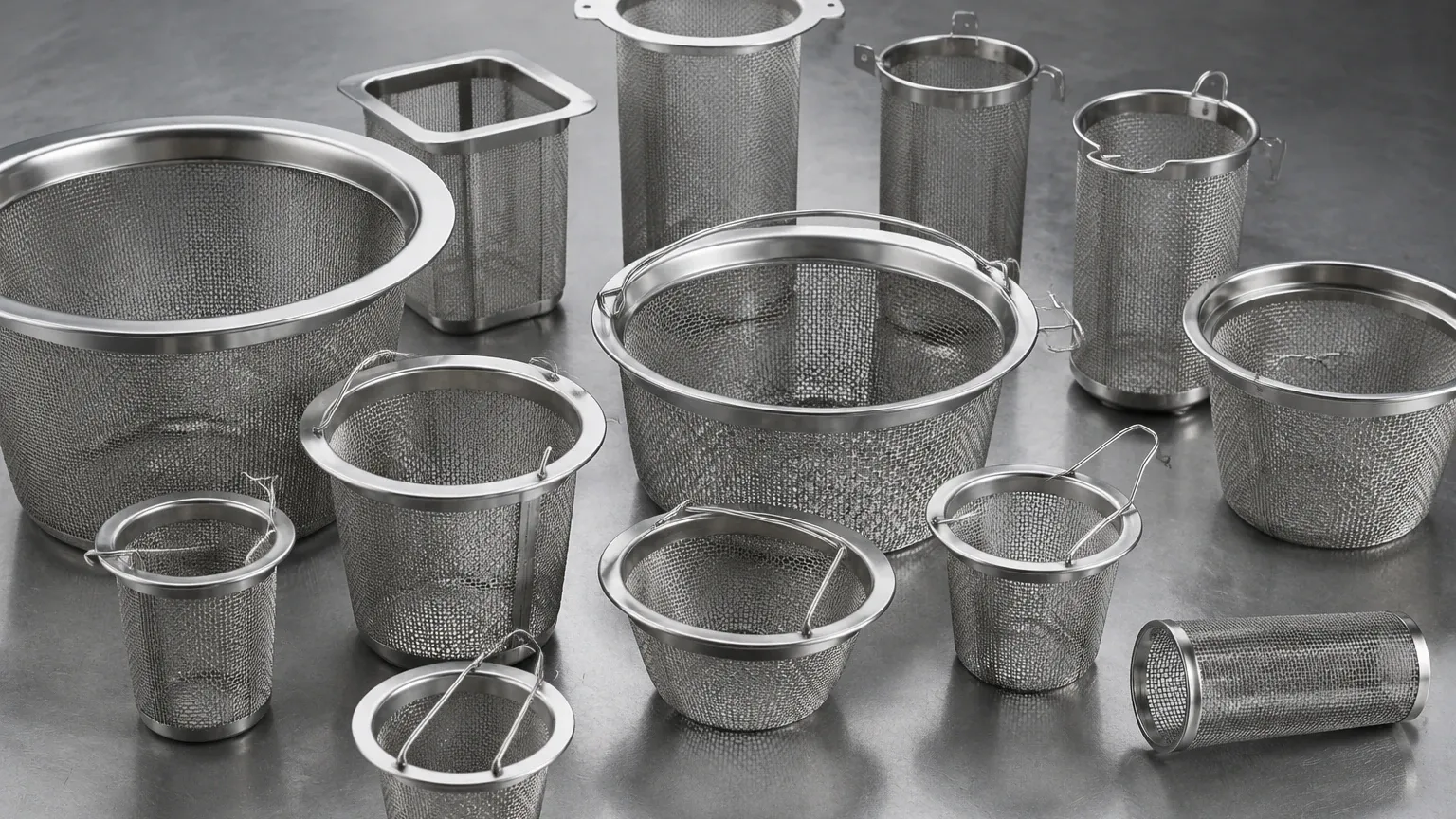
In industrial fluid management, the integrity of downstream equipment often depends on the effectiveness of primary filtration stages. Drain strainer baskets serve as a critical line of defense, capturing large solids and particulate matter before they can enter piping systems, pumps, or sensitive processing machinery. Unlike standard commercial fittings, industrial-grade drain strainer baskets are engineered to withstand high flow rates, corrosive chemical environments, and mechanical stresses inherent in heavy-duty manufacturing and processing facilities.
Selecting the appropriate strainer requires a deep understanding of fluid dynamics, material compatibility, and the specific mechanical requirements of the installation site. For engineers and facility managers, the goal is to balance effective filtration with minimal pressure drop and ease of maintenance.
Understanding the Role of Drain Strainer Baskets in Industrial Systems
Drain strainer baskets are designed for installation in floor drains, sumps, and collection points within a facility’s drainage or process recovery system. Their primary function is to remove debris—such as metal shavings, plastic scraps, organic waste, or packaging materials—that could cause blockages or damage to centrifugal pumps and heat exchangers.
In many B2B environments, these components are part of a broader strategy for Strainers & Baskets management. By capturing contaminants at the source, facilities reduce the load on secondary filtration systems and wastewater treatment plants. This proactive approach to debris management is essential in industries where process uptime is directly linked to the health of the fluid handling infrastructure.
Beyond simple debris capture, these baskets often serve a recovery role. In precious metal processing or high-value chemical manufacturing, drain strainer baskets are used to reclaim lost product or catalysts that have entered the drainage system, providing a direct return on investment through material recovery.
Engineering Specifications and Material Selection
The performance and longevity of drain strainer baskets are primarily dictated by the materials used in their construction. In industrial settings, stainless steel is the industry standard due to its superior strength-to-weight ratio and resistance to environmental degradation.
Stainless Steel Grades
Most industrial baskets are fabricated from either Grade 304 or Grade 316L stainless steel.
* Type 304: Suitable for general-purpose applications, including food processing and water treatment, where moderate corrosion resistance is required.
* Type 316L: Preferred for environments involving chlorides, acids, or high-temperature steam. The addition of molybdenum in 316L provides enhanced resistance to pitting and crevice corrosion, making it the standard for pharmaceutical and chemical processing plants.
Structural Integrity
Industrial drains often experience high-velocity inflow. A well-engineered basket must feature a reinforced rim and a heavy-duty base to prevent deformation under the weight of collected solids. For deep-sump applications, structural ribs or external cages may be added to the basket design to ensure it maintains its geometry under hydraulic pressure.
Technical Parameters: Micron Ratings and Flow Dynamics
One of the most frequent challenges engineers face when specifying drain strainer baskets is determining the correct balance between filtration fineness and flow capacity. This is often calculated through the Open Area Ratio (OAR).
The Open Area Ratio (OAR)
The OAR is the relationship between the total open area of the basket’s mesh or perforations and the cross-sectional area of the inlet pipe. For industrial applications, a ratio of at least 2:1 is recommended, though 3:1 or higher is preferred for systems with high solids loading. A higher OAR ensures that even as the basket begins to fill with debris, the flow rate remains sufficient to prevent backup or overflow at the drain site.
Perforation vs. Mesh Lining
* Perforated Metal: These baskets are used for coarse filtration, typically capturing particles 1mm and larger. They offer excellent structural strength and are easy to clean using high-pressure spray.
* Wire Mesh Liners: For applications requiring finer filtration (down to 50 microns or less), a stainless steel wire mesh is sintered or welded to the interior of a perforated support basket. This "dual-layer" approach provides the precision of fine mesh with the mechanical support of a heavy-duty perforated shell.
Customization Options for Demanding Environments
Standard off-the-shelf solutions rarely meet the precise needs of complex industrial layouts. Customization is often necessary to ensure the basket fits the existing drain housing perfectly, preventing "bypass"—where fluid and debris flow around the edges of the basket rather than through it.
Handle and Lifting Configurations
Since drain strainer baskets must be manually emptied, the handle design is a critical safety and ergonomic consideration. Options include:
* Fixed Bail Handles: Best for shallow drains where the basket is easily accessible.
* T-Bar or Extended Handles: Used in deep sumps to allow operators to remove the basket without reaching into the fluid.
* Swing Handles: These lay flat during operation to prevent interference with drain covers but provide a secure grip for extraction.
Bottom Profiles
Depending on the drain housing, baskets may feature flat, conical, or slanted bottoms. Conical bottoms are particularly effective in high-sediment applications as they direct debris toward the center, maintaining flow through the side walls for a longer period before cleaning is required.
Application-Specific Requirements: From Food Processing to Chemical Plants
Different industries impose unique constraints on the design of filtration components.
Food and Beverage
In food processing, hygiene is the priority. Drain strainer baskets must be designed with smooth, continuous welds (often ground flush) to eliminate crevices where bacteria can proliferate. Electropolishing is frequently used to provide a mirror-like finish that resists organic buildup and simplifies the CIP (Clean-In-Place) process.
Pharmaceutical and Biotech
These sectors require high levels of material traceability. Baskets used here must often be accompanied by material test reports (MTRs) to verify the alloy composition. The filtration must be precise enough to capture specific waste byproducts while resisting the harsh sanitizing agents used in cleanroom environments.
Chemical and Petrochemical
In these environments, chemical compatibility is the primary concern. The baskets must resist aggressive solvents and varying pH levels. Engineers must also consider the potential for galvanic corrosion if the basket material differs significantly from the drain housing material.
Maintenance Protocols and Service Life Optimization
The total cost of ownership for a filtration system is heavily influenced by maintenance requirements. A drain strainer basket that is difficult to clean or prone to clogging will lead to increased labor costs and potential safety hazards due to standing water.
Cleaning Cycles
Establishing a regular cleaning schedule is essential. In high-load environments, differential pressure sensors can be installed near the drain to alert operators when a basket is reaching capacity. For manual systems, visual inspection protocols are necessary.
Durability and Replacement
While stainless steel baskets are highly durable, they are not infinite. Over time, abrasive particles can wear down the mesh, or mechanical fatigue can lead to cracked welds. Regular inspection should look for:
1. Bypass Signs: Debris found downstream of the strainer.
2. Mesh Blinding: Persistent clogging that cannot be removed by standard cleaning, often caused by oils or resins.
3. Structural Deformation: Bowing of the basket walls or floor.
Key Factors for Procurement and Technical Specification
When preparing to order or specify drain strainer baskets, technical procurement teams should confirm several key data points to ensure the component performs as expected:
* Fluid Characteristics: What is the viscosity of the fluid? What is the maximum temperature? Are there corrosive chemicals present?
* Debris Profile: What is the size and shape of the smallest particle that must be captured? What is the expected volume of debris per shift?
* Dimensional Constraints: What are the exact internal dimensions of the drain housing? Is there a specific flange or lip requirement to ensure a seal?
* Flow Rate Requirements: What is the peak GPM (gallons per minute) the drain must handle without backing up?
By focusing on these technical realities rather than generic solutions, engineers can implement a filtration strategy that protects their infrastructure and optimizes process efficiency. High-quality stainless steel construction, paired with precision engineering and customization, ensures that these seemingly simple components provide reliable service in the most demanding industrial landscapes.
