


Kitchen Strainers
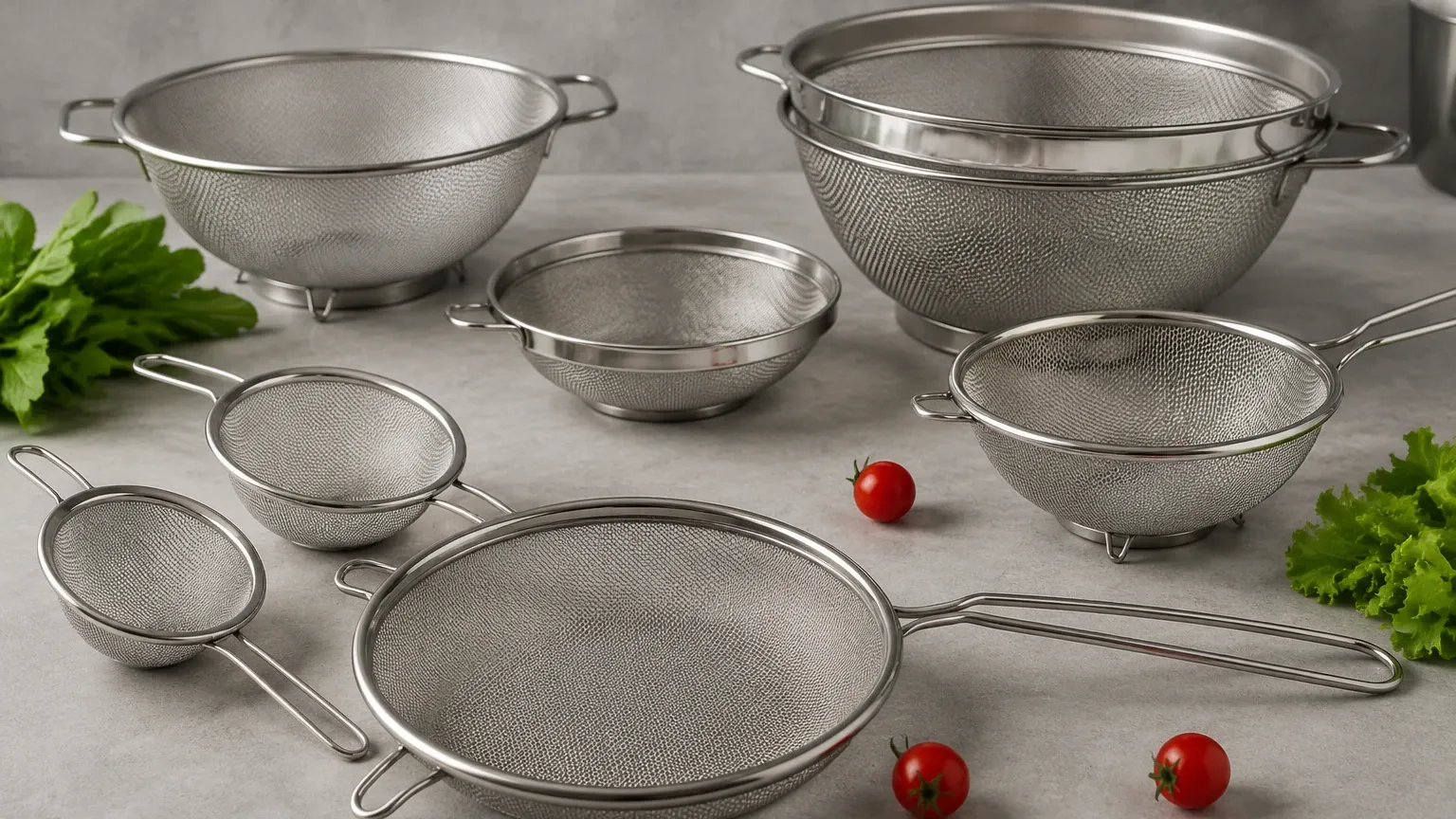
In the context of commercial food processing, large-scale catering, and industrial kitchen equipment manufacturing, the term "kitchen strainers" refers to much more than simple domestic utensils. These components are critical engineering elements designed to manage fluid flow, protect downstream equipment, and ensure product purity. High-performance kitchen strainers and industrial-grade Strainers & Baskets are fundamental to the operational efficiency of food and beverage production lines, commercial dishwashing systems, and wastewater management in high-volume culinary environments.
Selecting the right filtration or straining solution requires an understanding of material science, fluid dynamics, and hygiene standards. For engineers and procurement professionals, the focus shifts from basic functionality to durability, filtration precision, and total cost of ownership.
The Role of Precision Strainers & Baskets in Food Processing
In industrial applications, kitchen strainers serve as the first line of defense against contaminants. Whether they are integrated into a commercial sink, a large-scale soup processing line, or a beverage bottling plant, their primary function is to separate solids from liquids. This process is vital for several reasons:
1. Equipment Protection: Fine particles or debris can damage pumps, valves, and nozzles. By utilizing robust basket strainers, facilities can prevent costly downtime and mechanical failure.
2. Product Consistency: In food production, achieving a specific texture or clarity requires precise filtration. Strainers ensure that only particles of a specific size pass through the production stage.
3. Waste Management: Commercial kitchens generate significant amounts of solid waste. Specialized baskets capture these solids before they enter the drainage system, preventing clogs and ensuring compliance with local environmental regulations.
Unlike consumer-grade products, industrial kitchen strainers must withstand continuous use, high temperatures, and aggressive cleaning cycles involving chemical sanitizers.
Material Science: Why Stainless Steel is the Standard
When specifying kitchen strainers for B2B applications, material selection is the most critical decision. Stainless steel is the industry standard due to its corrosion resistance, mechanical strength, and inert nature. At Kaifil, we focus on high-grade alloys to ensure long-term performance in demanding environments.
SS304 vs. SS316
* Stainless Steel 304: This is the most common grade used in kitchen environments. It offers excellent resistance to water and many food acids. It is suitable for most general straining applications where moisture is present but chemical exposure is moderate.
* Stainless Steel 316: For environments involving high salt concentrations (brines), high acidity (citrus processing), or aggressive cleaning agents, SS316 is preferred. The addition of molybdenum enhances its resistance to pitting and crevice corrosion, making it essential for high-end food processing equipment.
Durability and Thermal Stability
Industrial kitchen strainers must maintain their structural integrity across a wide temperature range. From freezing temperatures in cold-storage processing to boiling liquids in industrial kettles, stainless steel components do not warp, melt, or leach chemicals into the food product, ensuring a safe and reliable filtration process.
Understanding Filtration Accuracy: Mesh Count and Micron Ratings
Engineers must determine the required filtration accuracy based on the specific application. Kitchen strainers are generally categorized by their opening sizes, which are measured in mesh count or microns.
* Mesh Count: This refers to the number of openings per linear inch. A higher mesh count indicates a finer screen. For example, a 20-mesh screen is suitable for catching large food particles, while a 100-mesh screen is used for fine pulp or sediment removal.
* Micron Rating: This measures the actual size of the particles that can pass through the strainer. One micron is one-millionth of a meter. Precision metal filters can be manufactured to capture particles as small as 5 to 10 microns, though most kitchen-related straining occurs in the 50 to 500-micron range.
Perforated Metal vs. Wire Mesh
* Perforated Metal: These strainers are made from a solid sheet of metal with punched holes. They are exceptionally strong and are often used as the outer support layer for finer mesh baskets or as primary strainers for heavy-duty solids removal.
* Woven Wire Mesh: This provides a higher percentage of open area, which translates to better flow rates. Wire mesh is ideal for fine filtration where precision is more important than raw structural impact resistance.
Structural Design: Basket vs. Inline Configurations
The geometry of the strainer dictates how it is integrated into a system and how easily it can be maintained. In the B2B sector, two primary designs dominate the landscape.
Basket Strainers
Basket strainers are characterized by their deep, bucket-like shape. They are designed to hold a large volume of solids before requiring cleaning. In a commercial kitchen, these are often found in floor drains or large-scale prep sinks. Their design allows for easy removal and manual cleaning, which is essential in facilities where high volumes of organic waste are processed.
Inline Strainers
Inline strainers are integrated directly into a piping system. These are common in liquid food processing, such as milk, juice, or oil production. They are often designed for "Clean-In-Place" (CIP) systems, where the strainer can be sanitized without being fully disassembled. This reduces labor costs and minimizes the risk of contamination during the cleaning process.
Operational Considerations: Flow Rate and Pressure Drop
A common mistake in selecting kitchen strainers is focusing solely on filtration accuracy without considering the impact on the overall system's hydraulics. Every strainer introduces a degree of resistance to the fluid flow, known as a pressure drop.
* Open Area Ratio: This is the ratio of the total area of the holes to the total area of the strainer surface. A higher open area ratio results in a lower pressure drop and higher flow capacity. For industrial applications, an open area ratio of at least 3:1 (straining area to pipe cross-section) is often recommended to ensure the system doesn't clog too quickly.
* Flow Velocity: High-velocity fluids can cause premature wear on the mesh or perforated metal. Engineers must calculate the optimal velocity to balance efficient throughput with the longevity of the strainer components.
By analyzing these factors, purchasing teams can select Strainers & Baskets that optimize performance without straining the system's pumps or reducing production speed.
Hygiene and Compliance in Food-Contact Applications
In the food and beverage industry, the sanitary design of kitchen strainers is non-negotiable. Components must meet strict regulatory standards, such as those set by the FDA (Food and Drug Administration) or EHEDG (European Hygienic Engineering & Design Group).
Sanitary Welding and Surface Finish
To prevent bacterial growth, industrial strainers must have smooth surfaces and be free of crevices.
* TIG Welding: Tungsten Inert Gas (TIG) welding is preferred for food-grade strainers because it produces clean, high-quality welds that can be ground smooth.
* Electropolishing: This electrochemical process removes a thin layer of material from the surface of the stainless steel, resulting in a mirror-like finish. Electropolishing not only improves corrosion resistance but also makes the surface easier to sanitize, as there are no microscopic pits where bacteria can hide.
Ease of Cleaning
Time spent cleaning is time lost in production. For commercial kitchen equipment, strainers should be designed for rapid disassembly. Quick-release handles, swing-bolt covers, and standardized basket sizes contribute to a more efficient maintenance cycle.
Custom OEM Solutions for Commercial Kitchen Equipment
While standard sizes are available, many industrial applications require custom-engineered solutions. Original Equipment Manufacturers (OEMs) of commercial dishwashers, industrial fryers, and food processing machinery often require strainers that fit specific spatial constraints or unique filtration requirements.
Kaifil specializes in the custom manufacture of stainless steel filtration components. Our engineering process involves:
1. Requirement Analysis: Determining the fluid type, temperature, pressure, and target particle size.
2. Prototyping: Developing custom basket or mesh designs to fit proprietary equipment housings.
3. Precision Manufacturing: Using CNC machining, advanced weaving, and specialized welding techniques to ensure every component meets the exact specifications of the client.
Customization allows for the optimization of handle types (e.g., slant handles, lift-out bails), reinforced bottoms for heavy loads, and multi-layered mesh configurations for graduated filtration.
Common Risks and Maintenance Protocols
Even the highest quality kitchen strainers will fail if not properly maintained. Understanding common risks can help facilities implement better operational protocols.
* Blinding/Clogging: This occurs when the mesh openings become completely blocked. Regular monitoring of the pressure differential across the strainer can alert operators to a buildup of solids before it impacts production.
* Mechanical Fatigue: Constant vibration or pressure surges can lead to stress cracks in the metal. Routine inspections should focus on the integrity of the welds and the mesh-to-frame interface.
* Corrosion from Improper Cleaning: Using bleach or chloride-based cleaners on stainless steel can lead to rapid corrosion. It is essential to use approved sanitizers and ensure thorough rinsing after every cleaning cycle.
Conclusion: Selecting the Right Partner for Industrial Filtration
For B2B buyers, the purchase of kitchen strainers is an investment in the reliability of their production environment. By focusing on technical specifications such as material grade, mesh precision, and sanitary design, organizations can ensure they are using components that support both their operational goals and their compliance requirements.
Whether you are designing a new food processing line or upgrading the drainage systems in a commercial facility, choosing a manufacturer with deep technical expertise is essential. High-quality Strainers & Baskets provide the durability and precision needed to maintain high standards in the competitive food and beverage sector.
Before finalizing a purchase, engineers should confirm the compatibility of the alloy with their specific chemical environment, verify the required flow rates, and ensure that the structural design of the basket or strainer can handle the expected solids load. With the right filtration strategy, facilities can achieve greater efficiency, lower maintenance costs, and superior product quality.
