


Plastic Sieves and Strainers
In industrial filtration and separation processes, the selection of equipment often begins with a fundamental choice of material. Plastic sieves and strainers are frequently utilized in light-duty, corrosive, or cost-sensitive applications. While these components offer specific advantages in certain chemical environments, engineers and procurement teams must evaluate their mechanical limitations against the rigorous demands of industrial processing. Understanding the technical nuances of plastic filtration media is essential for optimizing system uptime and ensuring product purity.
Understanding Plastic Sieves and Strainers in Industrial Contexts
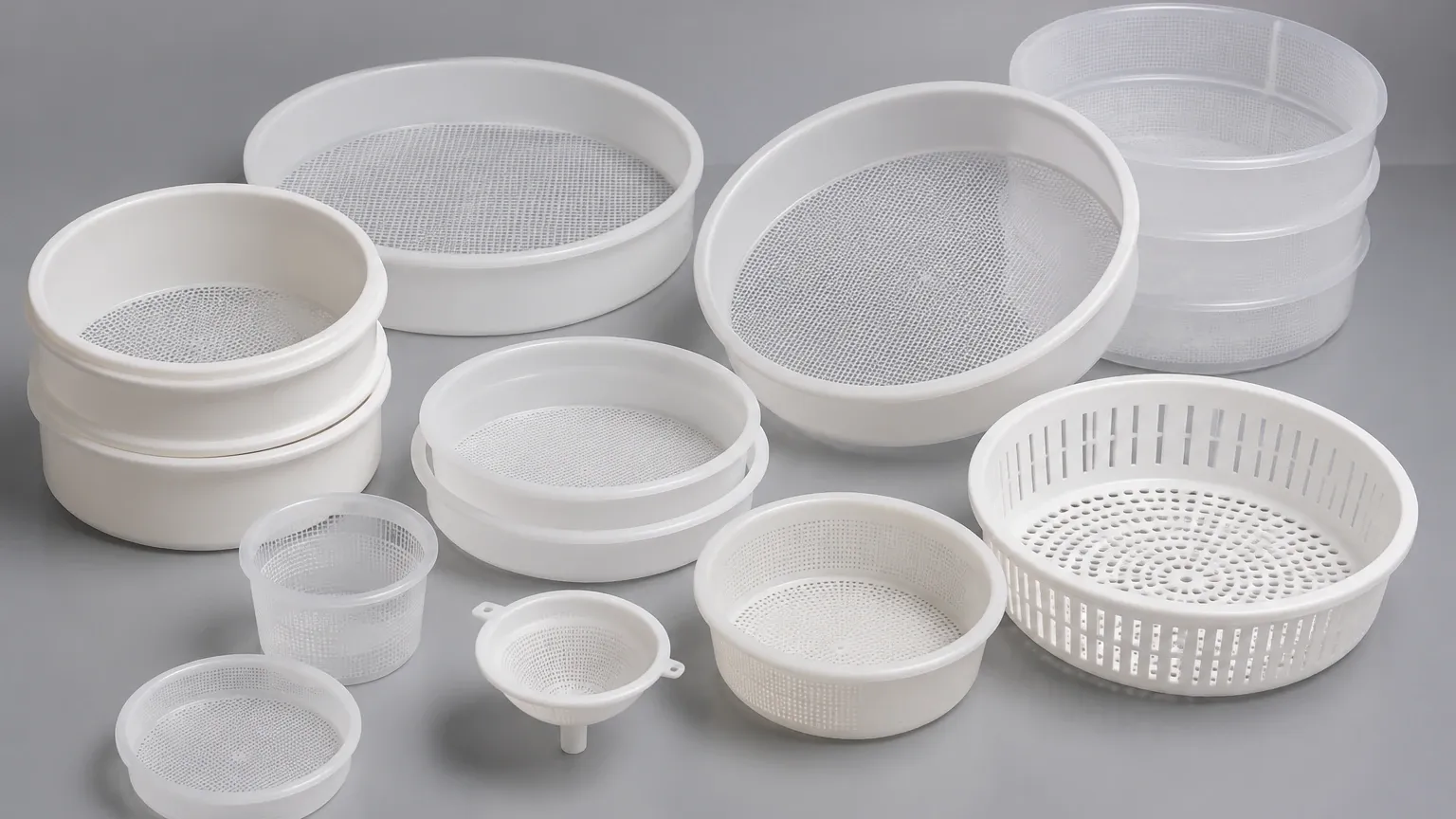
Plastic sieves and strainers are primary separation tools used to remove oversized particles or debris from liquid and gas streams. Unlike their metal counterparts, these components are typically manufactured from polymers such as polypropylene (PP), polyethylene (PE), polyvinyl chloride (PVC), or nylon. The manufacturing process often involves injection molding for the housing and frames, with the filtration media consisting of either molded plastic mesh or woven synthetic fabrics.
In B2B applications, plastic sieves are commonly found in water treatment, laboratory settings, and specific chemical processing lines where metal contamination must be strictly avoided. Their lightweight nature and inherent resistance to certain types of corrosion—such as those caused by hydrochloric acid or salt brine—make them a staple in specific niches. However, the performance of plastic sieves and strainers is highly dependent on the polymer's thermal and mechanical properties, which differ significantly from industrial-grade stainless steel.
Material Selection: Polymers vs. Stainless Steel
When evaluating plastic sieves and strainers, engineers must compare the material properties of polymers against the standard for industrial filtration: stainless steel. This comparison is critical for determining the long-term viability of the filtration system.
Chemical Compatibility
Plastics are often chosen for their resistance to non-oxidizing acids and salts. For instance, Polypropylene (PP) exhibits excellent resistance to many organic solvents and acids at room temperature. However, many plastics are susceptible to degradation when exposed to oxidizing agents, UV radiation, or high-temperature hydrocarbons. In contrast, stainless steel Strainers & Baskets provide a broader range of compatibility, especially in high-temperature environments where polymers would lose structural integrity or leach chemicals into the process stream.
Thermal Stability
The thermal operating window for plastic sieves and strainers is relatively narrow. Most common industrial plastics begin to soften or lose mechanical strength at temperatures exceeding 60°C to 80°C (140°F to 176°F). This limits their use in steam cleaning, hot liquid filtration, and exothermic chemical reactions. Metal filtration components can withstand temperatures ranging from cryogenic levels to over 400°C, depending on the alloy and seal materials used.
Mechanical Strength and Pressure Ratings
Plastic is inherently more flexible and less dense than metal. Under high-pressure differentials, plastic mesh can stretch, leading to "pore migration" where the filtration accuracy is compromised as the openings enlarge. Furthermore, plastic housings have lower burst pressure ratings. In high-pressure hydraulic systems or high-flow industrial pipelines, the structural rigidity of stainless steel is necessary to prevent catastrophic failure and bypass.
Performance Metrics for Industrial Strainers & Baskets
To ensure that a filtration component meets the needs of a specific application, several performance metrics must be analyzed. Whether using plastic sieves and strainers or metal alternatives, the following factors dictate efficiency:
1. Filtration Accuracy (Micron Rating): This refers to the size of the particles the strainer is designed to trap. Plastic molded sieves often have coarser ratings, whereas woven wire mesh can achieve much finer precision, down to the single-digit micron range.
2. Open Area Ratio: The ratio of the total area of the holes to the total area of the mesh. A higher open area results in a lower initial pressure drop and longer intervals between cleanings. Metal baskets generally offer a higher open area because the high strength of the wire allows for thinner diameters compared to plastic strands.
3. Flow Rate and Pressure Drop (ΔP): As fluid passes through the strainer, a pressure drop occurs. If the strainer is too restrictive, it can cause cavitation in pumps or reduce system efficiency. Engineers must calculate the maximum allowable ΔP before the basket requires cleaning or replacement.
4. Dirt Holding Capacity: This is determined by the surface area of the strainer element. Pleated designs, common in stainless steel cartridges but rarer in simple plastic sieves, significantly increase this capacity.
Common Risks and Limitations of Plastic Filtration Components
While plastic sieves and strainers serve their purpose in low-stress environments, they carry specific risks that can lead to increased total cost of ownership (TCO) in industrial settings.
Creep and Deformation
Under constant stress or pressure, polymers undergo a phenomenon known as "creep," where they slowly deform over time. This can lead to leaks at sealing surfaces or the permanent distortion of the strainer basket, making it difficult to remove for cleaning or causing it to fit improperly within the housing.
Fatigue and Brittleness
Repeated pressure cycling can cause fatigue in plastic components. Additionally, certain plastics become brittle over time due to the loss of plasticizers or exposure to environmental factors. A brittle strainer basket is prone to cracking, which allows unfiltered fluid to bypass the system, potentially damaging downstream equipment like high-pressure nozzles or sensitive valves.
Hygiene and Cleaning Challenges
In food, beverage, and pharmaceutical applications, the ability to sanitize equipment is paramount. Plastic surfaces can develop micro-scratches over time, providing areas for bacterial growth. They are also sensitive to the harsh chemicals and high temperatures used in Clean-in-Place (CIP) cycles. Stainless steel Strainers & Baskets are preferred in these industries due to their non-porous surfaces and ability to withstand rigorous sterilization protocols.
Application-Specific Considerations: When to Choose Metal Over Plastic
Deciding between plastic sieves and strainers and metal filtration solutions requires a thorough analysis of the application environment. In many cases, what appears to be a cost-saving measure by choosing plastic results in higher maintenance costs.
High-Viscosity Fluids
Filtering high-viscosity fluids, such as resins, heavy oils, or syrups, requires significant pressure to push the fluid through the media. Plastic strainers often lack the structural reinforcement to handle the resulting differential pressure, leading to collapsed baskets.
Abrasive Media
If the process fluid contains abrasive particles (e.g., sand, metal shavings, or glass cullet), plastic mesh will erode rapidly. The hardness of stainless steel or specialized alloys is required to resist wear and maintain the integrity of the filtration apertures.
Fine Filtration Requirements
When the application requires precise particle retention (e.g., protecting a RO membrane or a fine spray nozzle), the consistency of the mesh is vital. Metal wire mesh is manufactured to strict tolerances that plastic molding processes often cannot replicate, especially at finer micron levels.
Procurement and Engineering Confirmation Checklist
Before finalizing a purchase for plastic sieves and strainers or transitioning to more robust Strainers & Baskets, engineering teams should confirm the following technical details with their supplier:
* Maximum Operating Pressure: What is the peak pressure the system will experience, including potential surges?
* Temperature Range: Will the strainer be exposed to high-temperature cleaning or process fluctuations?
* Chemical Concentration: Is the plastic compatible with the specific concentration of chemicals at the operating temperature?
* Mechanical Load: Will the strainer basket be required to support the weight of a heavy cake of filtered solids?
* Compliance Standards: Does the component need to meet FDA, 3A, or ASME standards for safety and hygiene?
* Replacement Cycle: Based on the expected wear, what is the projected lifespan of the plastic component versus a permanent metal solution?
The Role of Customization in Filtration Efficiency
In many industrial scenarios, off-the-shelf plastic sieves and strainers do not provide the exact fit or performance required. Customization allows for the optimization of the filtration area, the selection of specific mesh weaves (such as plain, twilled, or dutch weave), and the integration of reinforced support structures.
For engineers managing complex systems, moving from standard plastic components to custom-engineered stainless steel solutions can drastically reduce downtime. Custom metal baskets can be designed to fit existing plastic housings, providing an upgrade in durability without requiring a complete overhaul of the piping system. This hybrid approach allows facilities to leverage the chemical resistance of plastic housings where appropriate while benefiting from the mechanical reliability of metal filtration media.
Conclusion
Plastic sieves and strainers remain a viable choice for specific, low-demand applications where chemical compatibility with polymers is an absolute requirement. However, for the majority of B2B industrial processes—where pressure, temperature, and durability are critical—stainless steel filtration components offer superior performance and a lower long-term cost of ownership. By carefully evaluating the mechanical and thermal demands of their systems, engineers can make informed decisions that protect their equipment and ensure the consistency of their final products.
