


Quinoa Strainers
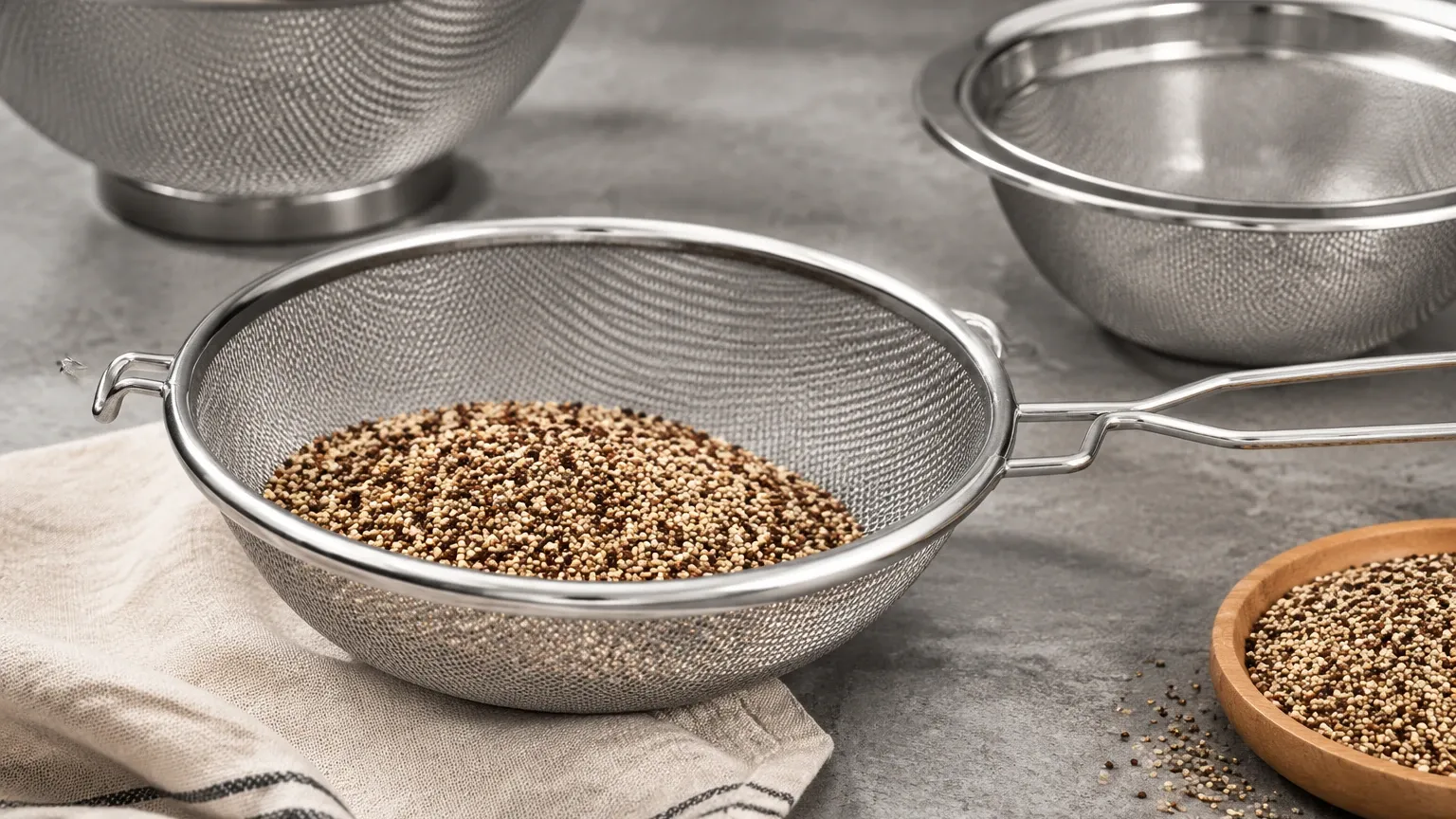
In the industrial food processing sector, the handling and preparation of small-grain pseudo-cereals like quinoa present unique engineering challenges. Quinoa seeds are notably small, typically ranging from 1.5 to 2.0 millimeters in diameter. For large-scale processing facilities, selecting the correct filtration equipment is not merely a matter of convenience but a critical factor in yield efficiency, product purity, and equipment longevity. Industrial-grade quinoa strainers must provide a precise balance between fine mesh retention and high-flow drainage to ensure thorough rinsing and separation without loss of raw material.
As a specialized manufacturer of stainless steel filtration solutions, Kaifil understands that the "one-size-fits-all" approach does not apply to high-volume food production. This guide examines the technical requirements, material considerations, and engineering specifications necessary when selecting Strainers & Baskets for quinoa processing and similar small-seed applications.
The Engineering Challenge of Quinoa Processing
Quinoa processing involves several stages where filtration is paramount. The most critical stage is the removal of saponins—bitter-tasting natural compounds that coat the seeds. Removing these requires intensive washing and rinsing. If the filtration system is not precisely engineered, two primary issues occur:
1. Material Loss: Standard industrial strainers with larger apertures allow the small quinoa seeds to pass through, leading to significant waste in high-volume runs.
2. Blinding and Clogging: If the mesh is too fine or the open area is insufficient, the seeds can wedge into the apertures (blinding), or the saponin-rich rinse water can create a viscous film that slows drainage.
For engineers designing these systems, the goal is to specify a strainer that maximizes the "open area" percentage while maintaining a mesh count high enough to retain 100% of the product. This requires a deep understanding of wire cloth specifications and basket structural design.
Material Selection for Food-Grade Filtration
When specifying quinoa strainers for industrial use, material selection is dictated by both food safety regulations (such as FDA or EU food contact standards) and the physical environment of the processing plant. Stainless steel is the industry standard due to its non-reactive nature and ability to withstand rigorous cleaning cycles.
Grade 304 Stainless Steel
Grade 304 is the most common choice for food processing. It offers excellent corrosion resistance and durability for standard washing and rinsing applications. It is cost-effective and provides the structural integrity needed for large-diameter baskets.
Grade 316L Stainless Steel
In environments where the rinse water has high mineral content or where aggressive chemical cleaning agents are used, Grade 316L (low carbon) is preferred. The addition of molybdenum enhances resistance to pitting and crevice corrosion. 316L is also easier to weld without compromising corrosion resistance, making it ideal for custom-fabricated baskets with complex geometries.
Technical Specifications: Mesh Count and Micron Ratings
To effectively retain quinoa, the mesh size must be significantly smaller than the seed diameter. While a 1.5mm seed might suggest a 1.5mm aperture, engineering safety margins and seed size variability usually dictate a finer mesh.
* Mesh Count: For quinoa, a mesh count between 30 and 50 is typically utilized. A 40-mesh screen, for example, provides an aperture of approximately 0.4 millimeters (400 microns), which comfortably retains quinoa seeds while allowing high-velocity water flow.
* Wire Diameter: The diameter of the wire affects both the strength of the strainer and the available open area. Thicker wires increase the lifespan of the basket in high-vibration or high-pressure environments but reduce the flow rate. Engineers must calculate the required flow rate (GPM or L/min) against the open area of the mesh to prevent system backpressure.
* Aperture Precision: In industrial quinoa strainers, the consistency of the weave is vital. Low-quality mesh may have irregular apertures that allow seeds to bypass the filter or become stuck, leading to hygiene risks and difficult maintenance.
Structural Design of Industrial Strainers & Baskets
In a B2B context, a "strainer" is rarely just a piece of mesh. It is a structural component that must interface with piping, housings, or centrifugal machines. Kaifil specializes in the construction of robust Strainers & Baskets designed to withstand the mechanical stresses of continuous industrial operation.
Basket Reinforcement
For large-scale quinoa rinsing, the weight of the wet grain can be substantial. A fine mesh alone cannot support this weight. Industrial baskets typically feature a perforated metal backup or a heavy-duty stainless steel frame. The fine wire mesh is then sintered or spot-welded to this support structure. This "dual-layer" approach ensures that the filtration surface remains flat and functional even under heavy loads.
Conical and Hat Strainers
In some processing lines, quinoa is transported via slurry in piping systems. In these instances, conical strainers (temporary or permanent) are installed between flanges. The conical shape provides a larger surface area than a flat plate, reducing the frequency of cleaning intervals and minimizing pressure drops across the line.
Performance and Durability in Continuous Operations
Industrial food production facilities often operate 24/7. Equipment downtime for cleaning or replacement directly impacts the bottom line. Therefore, the durability of quinoa strainers is a primary concern for purchasing teams.
* Welding Integrity: High-quality TIG (Tungsten Inert Gas) or plasma welding is essential. Smooth, continuous welds prevent "dead zones" where organic material can accumulate and bacteria can grow. Furthermore, robust welds prevent the mesh from pulling away from the frame under the pressure of high-volume rinsing.
* Resistance to Mechanical Fatigue: In applications involving centrifugal separation or vibratory sifting, the strainer is subject to constant cyclic loading. Using high-tensile stainless steel wire ensures that the mesh does not stretch or break prematurely.
Maintenance and Cleaning: CIP and SIP Compatibility
Hygiene is non-negotiable in food processing. Quinoa strainers must be designed for easy cleaning, often through Clean-In-Place (CIP) or Steam-In-Place (SIP) protocols.
1. Surface Finish: Electropolishing the stainless steel components can reduce surface roughness. A smoother surface prevents saponins and fine particles from adhering to the metal, making the washing cycle more effective.
2. Removability: For systems that require manual inspection, the basket design should include ergonomic handles and quick-release mechanisms. This reduces the time required for technicians to swap out filters during product changeovers.
3. Chemical Compatibility: The choice of gaskets and seals (such as EPDM, Viton, or PTFE) must be compatible with both the food product and the caustic cleaning solutions used in the facility.
Customization and Selection Criteria for Engineers
When sourcing quinoa strainers for a new processing line or as replacement parts for existing machinery, engineers should confirm several key parameters to ensure optimal performance:
* Exact Seed Dimensions: Are you processing standard white quinoa, or smaller varieties like red or black quinoa? The smallest seed in the batch dictates the maximum allowable aperture.
* Operating Pressure and Temperature: High-temperature rinsing or pressurized transport requires reinforced basket designs.
* Flow Rate Requirements: Calculate the total surface area needed to maintain the desired throughput without causing a significant pressure drop.
* Housing Compatibility: Ensure the flange types, diameters, and seat designs of the strainer match the existing industrial housing.
By focusing on these technical details, procurement teams can move beyond generic solutions and invest in filtration components that enhance the efficiency of their production lines. Custom stainless steel filtration solutions provide the longevity and precision required for the demanding environment of modern food processing.
For technical assistance in designing or specifying custom filtration components for your facility, you can Review product options and application support to find a solution tailored to your specific mechanical and throughput requirements.
