


Strainer 4 Inch Price
When evaluating the strainer 4 inch price for industrial applications, procurement teams and engineers must look beyond the initial capital expenditure. A 4-inch pipeline represents a significant flow volume in chemical processing, water treatment, and food production environments. Consequently, the selection of Strainers & Baskets involves a complex interplay of material science, pressure ratings, and filtration precision, all of which directly influence the final quote.
In the industrial filtration market, a 4-inch strainer is a standard size, yet the price can vary from a few hundred dollars for basic cast iron models to several thousand dollars for high-grade, custom-engineered stainless steel units. Understanding the technical drivers behind these price points is essential for optimizing both system performance and the total cost of ownership.
Technical Factors Influencing Strainer 4 Inch Price
The most immediate factor affecting the cost of a 4-inch strainer is the choice of material. For industrial applications where durability and corrosion resistance are paramount, stainless steel is the industry standard. However, the specific grade of stainless steel significantly impacts the price.
Material Grade: 304 vs. 316L
Stainless steel 304 is often the baseline for industrial strainers, providing excellent strength and basic corrosion resistance. However, in environments involving chlorides or high acidity—common in chemical processing—316L stainless steel is required. The addition of molybdenum in 316L increases the material cost but prevents pitting and crevice corrosion, which can lead to catastrophic failure in high-pressure systems. When requesting a strainer 4 inch price, specifying the exact alloy is the first step in receiving an accurate quote.
Pressure Ratings and Wall Thickness
The operating pressure of the system dictates the required wall thickness and the type of flange connections. A 4-inch strainer rated for ANSI Class 150 will be significantly less expensive than one rated for ANSI Class 300 or 600. Higher pressure ratings require more raw material and more rigorous testing protocols, such as hydrostatic testing, to ensure safety and compliance with international standards.
Design Complexity and Its Impact on Cost
The physical configuration of the strainer is another primary cost driver. While 4 inches refers to the inlet and outlet diameter, the internal volume and the mechanism for cleaning vary by design.
Y-Strainers vs. Basket Strainers
Y-strainers are generally more compact and cost-effective for 4-inch lines, typically used where the amount of debris to be removed is minimal. However, for systems requiring higher dirt-holding capacity and easier maintenance, basket strainers are preferred. A 4-inch basket strainer has a larger internal chamber, which reduces the frequency of cleaning but increases the initial strainer 4 inch price due to the larger amount of material used in construction.
Duplex vs. Simplex Configurations
If the application requires continuous flow without shutdown for cleaning, a duplex strainer is necessary. A duplex system consists of two separate strainer chambers connected by a diverter valve. This allows one side to be serviced while the other remains in operation. Because a duplex system essentially doubles the material and adds a complex valve mechanism, the price is significantly higher than a standard simplex 4-inch strainer.
Internal Component Specifications
The "heart" of any strainer is the internal element, whether it is a perforated plate or a fine wire mesh. The specifications of these components are critical to both the filtration efficiency and the price.
Filtration Accuracy (Micron Rating)
Standard 4-inch strainers often come with a perforated basket (e.g., 1/8" or 1/16" holes). If your process requires finer filtration, a wire mesh liner must be added. The cost of the mesh increases as the micron rating decreases. Extremely fine mesh (below 50 microns) requires specialized manufacturing techniques and reinforced support structures to prevent the mesh from collapsing under the differential pressure created as the filter loads with debris.
Custom Mesh Materials
In specific applications, such as those involving highly abrasive fluids, standard stainless steel mesh may not suffice. Specialized alloys like Monel, Hastelloy, or titanium can be used for the internal Strainers & Baskets, though these exotic materials will exponentially increase the strainer 4 inch price. For most industrial users, a high-quality 316L stainless steel mesh provides the best balance between performance and cost.
Engineering Considerations for 4-Inch Systems
Engineers must consider the hydraulic impact of the strainer on the overall system. A poorly specified strainer can lead to excessive pressure drops, which forces pumps to work harder and increases energy costs.
Flow Rate and Pressure Drop (Delta P)
The internal geometry of the strainer affects the flow coefficient (Cv). A 4-inch strainer with a high Cv value will have a lower pressure drop. Achieving a high Cv often requires a larger housing body relative to the pipe size, which increases the material cost but saves money in the long run through reduced energy consumption. When comparing a strainer 4 inch price from different manufacturers, it is vital to compare the clean pressure drop data to ensure you are getting an efficient design.
Connection Types
While flanged connections are standard for 4-inch industrial lines (ANSI, DIN, or JIS), some specialized applications may require butt-weld or socket-weld connections. The precision machining required for these connections, along with the necessary certifications (such as ASME Section VIII), adds to the manufacturing lead time and the final cost.
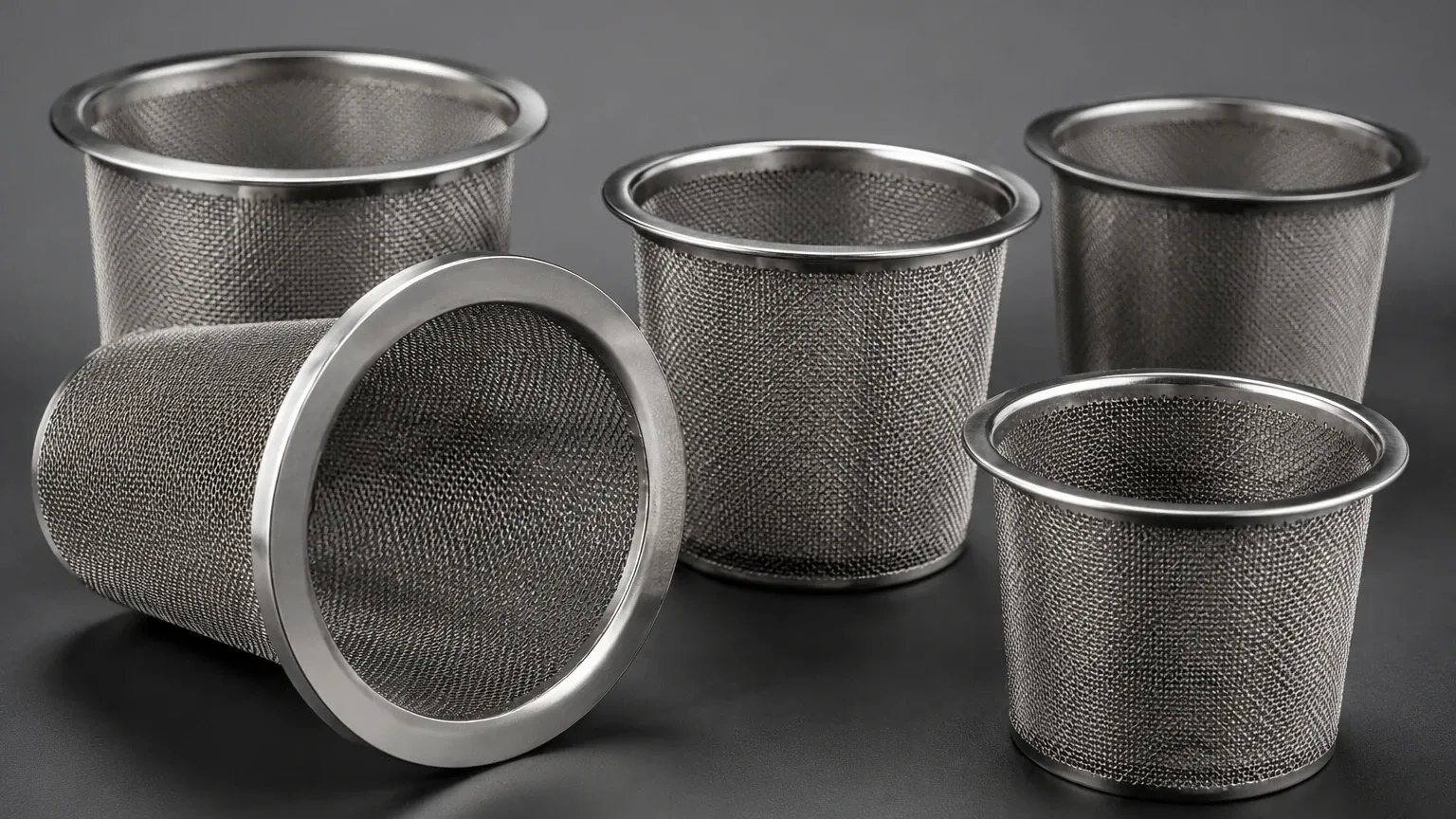
The Role of Customization and OEM Solutions
Off-the-shelf strainers may not always meet the unique spatial or performance requirements of a specific plant layout. Custom-engineered solutions allow for modifications that can actually reduce the total installation cost, even if the unit price is higher.
Dimensional Adjustments
In retrofit projects, the face-to-face dimensions of a 4-inch strainer may need to match existing piping exactly to avoid expensive re-piping. Custom manufacturers like Kaifil can adjust the housing dimensions to fit these constraints. While custom fabrication carries a premium, it eliminates the labor and material costs associated with modifying the surrounding infrastructure.
Integrated Features
Adding features such as differential pressure gauges, blow-down valves, or specialized coatings for chemical resistance will influence the strainer 4 inch price. Including these features at the point of manufacture is usually more cost-effective than attempting to field-install them later.
Total Cost of Ownership (TCO) vs. Initial Price
For a 4-inch strainer, the purchase price is only one part of the financial equation. Industrial users should evaluate the TCO, which includes:
1. Maintenance Labor: How quickly can the basket be removed and cleaned? Quick-opening covers (such as swing-bolt designs) increase the initial price but drastically reduce downtime labor costs.
2. Replacement Cycles: A cheaply made strainer may suffer from erosion or mechanical fatigue, requiring replacement every few years. A high-quality stainless steel unit from a reputable manufacturer can last decades.
3. Process Protection: The cost of a strainer is negligible compared to the cost of the downstream equipment it protects. If a 4-inch strainer fails and allows debris to damage a high-pressure pump or a precision flow meter, the resulting repair costs and production loss will far outweigh any savings gained from a lower initial strainer 4 inch price.
Checklist for Confirming a Strainer 4 Inch Price
Before finalizing a purchase or requesting a formal quote, ensure the following technical details are confirmed to avoid price creep or performance issues:
* Media Profile: What is the fluid, its viscosity, and its chemical concentration?
* Operating Conditions: What are the maximum operating pressure and temperature?
* Filtration Target: What is the largest particle size allowed to pass through (micron or mesh size)?
* Flow Rate: What is the normal and maximum flow rate (GPM or m³/h)?
* Connection Standard: Does the system use ANSI, DIN, or another flange standard?
* Certification Requirements: Do you require material test reports (MTRs) or pressure vessel certifications?
By focusing on these factual engineering requirements, purchasing teams can ensure they receive a competitive strainer 4 inch price for a product that will perform reliably in demanding industrial environments. For those seeking precision-engineered Strainers & Baskets, working with a manufacturer that understands the nuances of stainless steel fabrication is the most effective way to balance cost and quality.
