


Strainer 4 Inch Pvc
In industrial fluid handling, the selection of filtration components is a critical engineering decision that impacts system longevity, pump protection, and product purity. The strainer 4 inch pvc is a common specification for medium-scale piping systems, particularly in environments where corrosion resistance to salts, acids, and bases is a primary concern. While PVC (Polyvinyl Chloride) offers distinct advantages in specific chemical applications, engineers must balance these benefits against the mechanical and thermal limitations of plastic housings compared to high-performance metal alternatives.
This guide examines the technical parameters, application boundaries, and engineering considerations for 4-inch PVC strainers, while highlighting when industrial processes require the enhanced durability of custom-engineered Strainers & Baskets.
The Role of 4-Inch PVC Strainers in Industrial Piping
A 4-inch strainer is typically integrated into piping systems to remove debris that could damage downstream equipment such as centrifugal pumps, flow meters, and spray nozzles. In a PVC configuration, these strainers are most frequently found in water treatment plants, aquatic facilities, irrigation systems, and chemical processing lines handling corrosive fluids that would degrade standard carbon steel.
Common Configurations
There are two primary designs for a strainer 4 inch pvc:
1. Y-Strainers: These are compact and designed for applications where the amount of solids to be removed is relatively small. They allow for cleaning without removing the strainer from the line, though they have a smaller holding capacity than basket types.
2. Basket Strainers: These feature a larger internal chamber and a vertical basket. They are preferred for systems requiring higher flow rates and a greater capacity for debris collection. The 4-inch size is a standard transition point where flow volumes often necessitate the larger surface area provided by a basket design.
Technical Specifications and Material Properties
When specifying a strainer 4 inch pvc, engineers must look beyond the pipe diameter. The performance of the unit is governed by the physical properties of the PVC resin and the internal geometry of the housing.
Pressure and Temperature Ratings
PVC is a thermoplastic, meaning its mechanical strength is highly dependent on temperature. Standard Schedule 80 PVC strainers are typically rated for 150 PSI at 73°F (23°C). However, as the operating temperature increases, the pressure rating drops significantly. For example, at 140°F (60°C)—the maximum recommended operating temperature for PVC—the pressure rating may fall to less than 30% of its original value.
Chemical Compatibility
One of the primary reasons for selecting a 4-inch PVC housing is its inertness to a wide range of chemicals. It is exceptionally resistant to:
* Sodium Hypochlorite (Bleach)
* Sulfuric Acid (up to 70% concentration)
* Hydrochloric Acid
* Ferric Chloride
However, PVC is susceptible to damage from polar solvents, such as ketones and aromatics, which can cause the material to soften or swell, leading to structural failure of the strainer body.
Comparing PVC and Stainless Steel Filtration Components
While PVC is cost-effective and corrosion-resistant for many ambient-temperature applications, industrial environments often present challenges that exceed the capabilities of plastics. This is where the transition to stainless steel filtration solutions becomes necessary.
Mechanical Strength and Impact Resistance
In heavy industrial settings, piping systems are subject to water hammer, vibration, and external impacts. PVC is a brittle material; a sudden pressure surge or a physical blow can cause a 4-inch PVC housing to crack or shatter. In contrast, stainless steel strainers offer superior tensile strength and ductility, ensuring the integrity of the filtration system under mechanical stress.
Filtration Precision and Customization
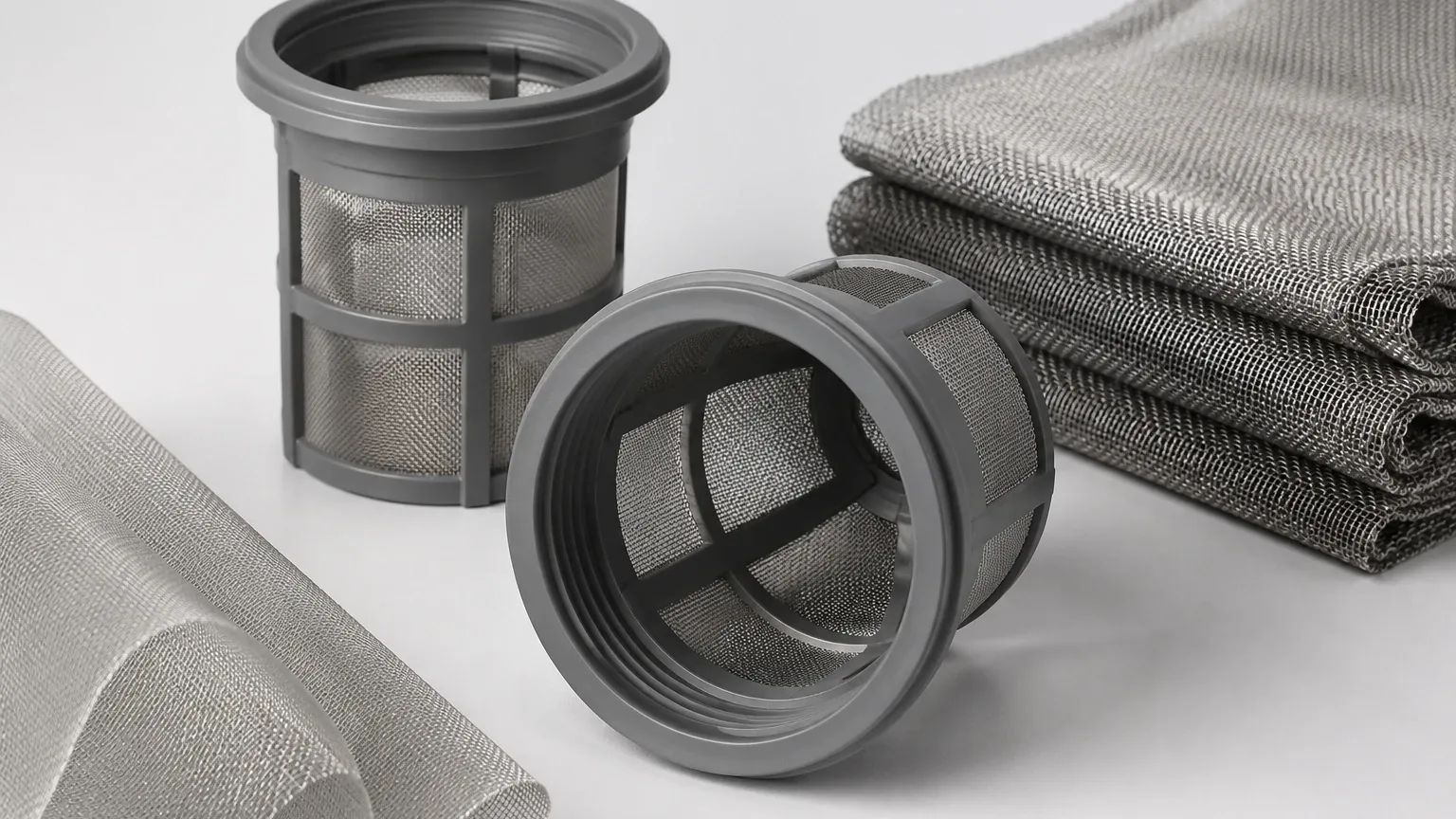
Most off-the-shelf PVC strainers come with standard plastic or thin-gauge metal perforated baskets. For applications requiring high-precision filtration (down to 5 microns) or high-strength mesh to withstand high differential pressures, custom-manufactured stainless steel components are required. Kaifil specializes in providing these high-performance internal elements that can be retrofitted into existing systems or integrated into new builds to ensure reliable performance.
Longevity and Total Cost of Ownership
Although the initial purchase price of a strainer 4 inch pvc is lower than a stainless steel equivalent, the total cost of ownership (TCO) may be higher in the long run. Factors such as UV degradation (if installed outdoors), thread wear, and seal failure in plastic housings often lead to more frequent replacements. Stainless steel units, while requiring a higher upfront investment, often provide a service life spanning decades with minimal maintenance.
Engineering Considerations for 4-Inch Filtration Systems
To ensure the efficiency of a 4-inch filtration stage, several engineering factors must be calculated during the design phase.
Flow Rate and Pressure Drop (ΔP)
The pressure drop across a strainer is a function of the fluid velocity, viscosity, and the open area ratio of the internal basket. For a 4-inch line, a typical flow rate might range from 200 to 400 GPM (Gallons Per Minute). If the strainer is undersized or the mesh is too fine for the debris load, the pressure drop will increase, forcing the pump to work harder and potentially leading to cavitation.
Open Area Ratio (OAR)
The OAR is the relationship between the internal cross-sectional area of the pipe and the total open area of the holes in the strainer basket. A well-designed strainer 4 inch pvc should have an OAR of at least 6:1. This ensures that even as the basket begins to fill with debris, the system does not experience a catastrophic loss in flow.
Seal Selection
The performance of the strainer is also dependent on the elastomer used for the O-rings or gaskets. Common choices include:
* EPDM: Excellent for water and general chemicals but poor for oils.
* FKM (Viton): Superior resistance to chemicals and higher temperatures, though more expensive.
* Nitrile (Buna-N): Good for petroleum-based fluids but limited in chemical resistance.
Maintenance and Operational Longevity
Proper maintenance is essential to prevent the strainer from becoming a bottleneck in the system. Because PVC housings are often opaque, operators cannot always see the level of debris accumulation unless a clear-bowl model is used.
Cleaning Protocols
For a 4-inch system, the volume of debris can be substantial. Maintenance teams should establish a cleaning schedule based on differential pressure readings. A common rule of thumb is to clean the basket when the pressure drop increases by 5-10 PSI over the clean-start value.
When servicing a strainer 4 inch pvc, it is vital to avoid over-tightening the cover or the drain plugs. Plastic threads are easily stripped or cross-threaded, which can lead to leaks that are difficult to repair without replacing the entire housing.
Inspection Points
During routine maintenance, the following should be inspected:
* Basket Integrity: Check for signs of "blow-by," where the basket has deformed under pressure, allowing unfiltered fluid to pass.
* Housing Stress Cracks: Inspect the area around the inlet and outlet flanges for crazing or stress-whitening, which indicates the PVC is reaching its fatigue limit.
* Seal Elasticity: Ensure O-rings remain pliable and are free of nicks or compression sets.
Customization and Sourcing High-Performance Baskets
In many cases, the standard basket provided with a 4-inch PVC strainer is the weak link in the filtration process. Industrial operators often find that plastic baskets lack the rigidity needed for high-viscosity fluids or that standard perforation sizes are too coarse for their requirements.
Custom manufacturing allows for the creation of baskets that utilize stainless steel wire mesh, wedge wire, or multi-layered sintered media. These materials provide the structural support necessary to handle high differential pressures while maintaining precise filtration accuracy. By sourcing custom Strainers & Baskets, engineers can optimize their existing PVC housings for more demanding tasks, combining the chemical resistance of the plastic body with the mechanical precision of metal filtration media.
Conclusion
Selecting a strainer 4 inch pvc requires a thorough understanding of the application's thermal, chemical, and mechanical demands. While PVC offers a lightweight and corrosion-resistant solution for many water-based and chemical applications, it is not a universal fix. By evaluating the pressure ratings, flow requirements, and the necessity for high-precision internals, procurement and engineering teams can ensure they deploy the most effective filtration solution for their specific industrial environment. Whether utilizing standard PVC components or upgrading to custom stainless steel filtration elements, the goal remains the same: protecting downstream assets and maintaining process efficiency.
