


Strainer 8 Inch
In large-scale industrial piping systems, the protection of downstream equipment is a primary engineering concern. When dealing with a nominal pipe size (NPS) of 8 inches, the volume and velocity of the fluid necessitate robust filtration solutions. A strainer 8 inch unit acts as the first line of defense, capturing macroscopic solids that could otherwise damage pumps, flow meters, heat exchangers, and control valves.
Selecting the correct filtration component for an 8-inch line requires a deep understanding of fluid dynamics, material compatibility, and the specific mechanical requirements of high-flow environments. This guide examines the technical considerations, design variations, and maintenance protocols essential for engineers and procurement teams managing large-diameter filtration systems.
Engineering Specifications for 8-Inch Strainers
An 8-inch strainer is not merely a scaled-up version of a smaller component; it represents a significant engineering shift in terms of weight, pressure management, and flow characteristics. In most industrial applications, these units are integrated into systems using flanged connections, typically adhering to ASME B16.5 standards for Class 150, 300, or 600 ratings.
Flow Rate and Pressure Drop (Delta P)
At an 8-inch diameter, the flow rate can be substantial, often exceeding several hundred gallons per minute (GPM) depending on the fluid velocity. The most critical metric for any engineer is the clean pressure drop. A strainer 8 inch assembly must be sized to ensure that the initial pressure loss does not compromise the efficiency of the pump or the overall system pressure.
Calculations for the CV (flow coefficient) are vital. The CV value indicates the volume of water at 60°F that will flow through the strainer with a pressure drop of 1 psi. For an 8-inch basket strainer, the CV is significantly higher than that of a Y-strainer, making basket designs the preferred choice for liquid applications where low pressure drop is a priority.
Structural Integrity and Weight
The dry weight of a stainless steel 8-inch basket strainer can range from 200 to over 500 pounds, depending on the wall thickness and flange rating. This necessitates proper piping support and often requires dedicated mounting legs or brackets to prevent stress on the adjacent pipe joints. Engineers must also account for the "wet weight"—the weight of the strainer when full of fluid and accumulated debris—during the structural design phase.
Material Selection and Corrosion Resistance
For industrial filtration, material selection is dictated by the chemical composition of the process fluid, the operating temperature, and the environment. Stainless steel remains the industry standard for high-performance Strainers & Baskets due to its mechanical strength and resistance to oxidation.
Grade 304 vs. 316/316L Stainless Steel
* Type 304: Suitable for general-purpose applications, including water treatment and some food processing environments. It offers good corrosion resistance at a lower price point.
* Type 316/316L: Contains molybdenum, which provides superior resistance to chlorides and acids. In chemical processing or marine environments, 316L is the preferred choice for a strainer 8 inch housing and internal basket to prevent pitting and crevice corrosion.
Gasket and Seal Compatibility
While the housing is metal, the seals are often elastomeric. For an 8-inch system, the surface area of the seal is large, making leak prevention critical. Common materials include Buna-N, EPDM, Viton (FKM), and PTFE. The choice must align with the temperature and chemical profile of the media to prevent swelling or degradation, which could lead to bypass or external leaks.
Types of Strainers for 8-Inch Piping
The geometry of the strainer significantly impacts its performance and how it is serviced. For an 8-inch line, the three most common designs are Simplex Basket, Duplex Basket, and Y-Strainers.
Simplex Basket Strainers
A simplex basket strainer 8 inch is used in systems where the flow can be interrupted for cleaning. These units feature a top-loading basket that provides a large surface area for debris collection. Because the basket is removed from the top, they require less vertical clearance below the pipe than Y-strainers but more clearance above for basket removal.
Duplex Basket Strainers
In critical applications where the process cannot be shut down, duplex strainers are employed. These consist of two separate strainer chambers connected by a diverting valve. When one side becomes clogged, the flow is switched to the clean chamber, allowing the operator to service the dirty basket without stopping the flow. For an 8-inch line, duplex units are massive and represent a significant capital investment, but they are essential for continuous chemical or power generation processes.
Y-Strainers
Y-strainers are typically used for steam, gas, or liquid applications where the amount of debris is minimal. In an 8-inch size, Y-strainers are often installed horizontally with the "leg" pointing downward. While they are generally more compact and less expensive than basket strainers, they have a smaller holding capacity and a higher pressure drop.
Filtration Accuracy and Basket Design
The internal component—the basket or screen—is the heart of the strainer 8 inch. Its design determines the filtration efficiency and the frequency of maintenance.
Perforated Metal vs. Wire Mesh
* Perforated Metal: Used for coarse filtration (straining). Common hole sizes range from 1/16" to 1/4". This provides the structural skeleton for the filter element.
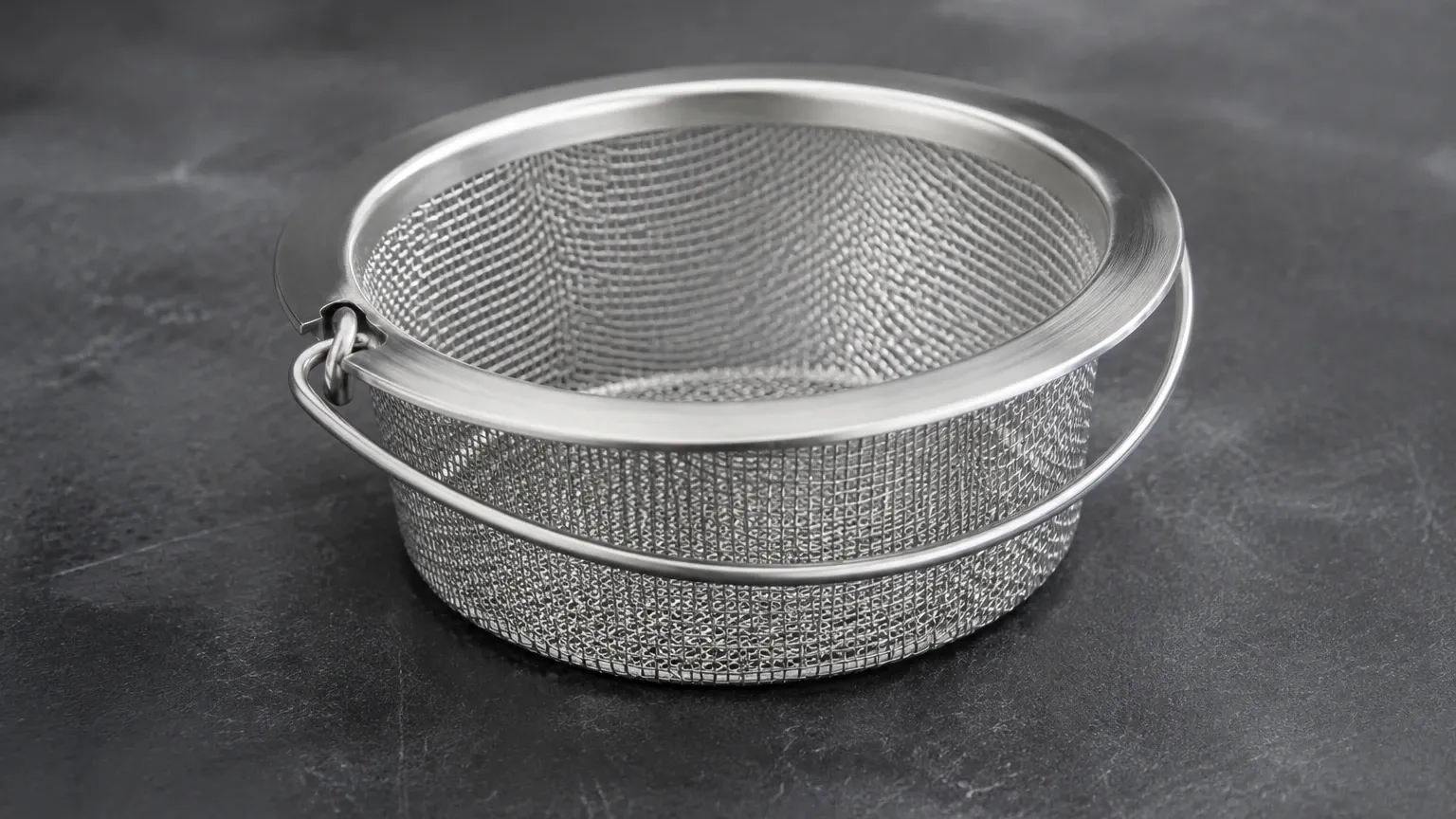
* Wire Mesh: For finer filtration, a stainless steel wire mesh is lined inside the perforated basket. This allows for filtration down to 20 microns or finer. In an 8-inch strainer, the mesh must be securely pleated or reinforced to withstand the high differential pressure that occurs as the screen becomes blinded.
The Open Area Ratio
A key engineering metric is the ratio of the internal screen's open area to the cross-sectional area of the 8-inch pipe. A standard industrial strainer 8 inch should ideally provide an open area ratio of at least 6:1. This ensures that even when the screen is 50% clogged, the pressure drop remains within acceptable limits, extending the time between cleaning cycles.
Installation and Maintenance Best Practices
Proper installation is paramount for the longevity of an 8-inch filtration system. Misalignment or improper orientation can lead to premature failure or inefficient debris capture.
Orientation and Flow Direction
Most strainers are uni-directional. The flow direction is typically cast or engraved on the housing. For an 8-inch basket strainer, the unit must be installed horizontally. Installing a basket strainer in a vertical line will result in debris falling back down the pipe when the flow stops, rather than being trapped in the basket.
Differential Pressure Monitoring
In large systems, relying on a fixed schedule for cleaning is inefficient. Instead, engineers should install differential pressure (DP) gauges across the strainer 8 inch. A typical recommendation is to clean the basket when the DP reaches 5-10 psi above the clean pressure drop. Waiting too long can cause the basket to collapse under the force of the fluid, potentially sending debris and metal fragments downstream.
Safety Procedures for Large Units
Servicing an 8-inch strainer involves handling heavy covers and potentially hazardous fluids. Many 8-inch units feature bolted covers, which require a specific torque sequence to ensure a proper seal. For ease of maintenance, some designs include "quick-opening" covers with swing bolts or T-bolts, though these must be used with caution in high-pressure applications. Always ensure the unit is depressurized and drained via the bottom blow-off connection before opening.
Customization and OEM Solutions
Standard off-the-shelf strainers may not meet the specific needs of every industrial environment. Customization is often required to address unique spatial constraints or extreme operating conditions.
Tailored Internal Components
Manufacturers like Kaifil specialize in creating custom stainless steel filter baskets that can be retrofitted into existing 8-inch housings. This includes the use of specialized alloys like Monel or Hastelloy for highly corrosive media, or the addition of magnetic inserts to capture fine ferrous particles that might pass through a standard mesh.
Specialized Coatings and Linings
For applications involving highly aggressive chemicals where even 316L stainless steel might struggle, the interior of a strainer 8 inch can be lined with materials like ETFE or rubber. This provides the structural strength of a metal housing with the chemical inertness of a polymer.
Conclusion: Selecting the Right 8-Inch Solution
Choosing a strainer 8 inch is a decision that impacts the reliability of an entire production line. Engineers must balance the initial cost against the total cost of ownership, which includes maintenance labor, replacement parts, and the potential cost of downtime.
Before finalizing a purchase, technical teams should confirm:
1. Design Pressure and Temperature: Does the housing meet the maximum possible surge conditions of the system?
2. Fluid Velocity: Is the velocity within the recommended range to prevent erosion of the strainer internals?
3. Debris Loading: Is a simplex unit sufficient, or does the debris volume require a duplex system for continuous operation?
4. Filtration Level: Is the mesh fine enough to protect downstream equipment without causing excessive pressure drop?
By focusing on these technical parameters and working with experienced manufacturers who understand the nuances of stainless steel filtration, industrial facilities can ensure their 8-inch piping systems remain protected and efficient for years to come.
