


Strainer Basket Pot
In industrial fluid handling systems, the protection of downstream equipment—such as pumps, valves, heat exchangers, and spray nozzles—is a primary engineering concern. The presence of oversized particles, debris, or suspended solids can lead to mechanical failure, reduced heat transfer efficiency, or product contamination. A strainer basket pot serves as a critical mechanical filtration component designed to intercept these solids before they can cause damage. Unlike standard inline strainers, the "pot" or basket-style design provides a significantly larger surface area, allowing for higher dirt-holding capacity and extended intervals between cleaning cycles.
For engineers and procurement teams, selecting the correct Strainers & Baskets involves more than simply matching a pipe diameter. It requires a detailed understanding of fluid dynamics, material compatibility, and the specific filtration requirements of the application. This guide explores the technical specifications, design considerations, and selection criteria for industrial strainer basket pots.
Understanding the Role of a Strainer Basket Pot in Industrial Filtration
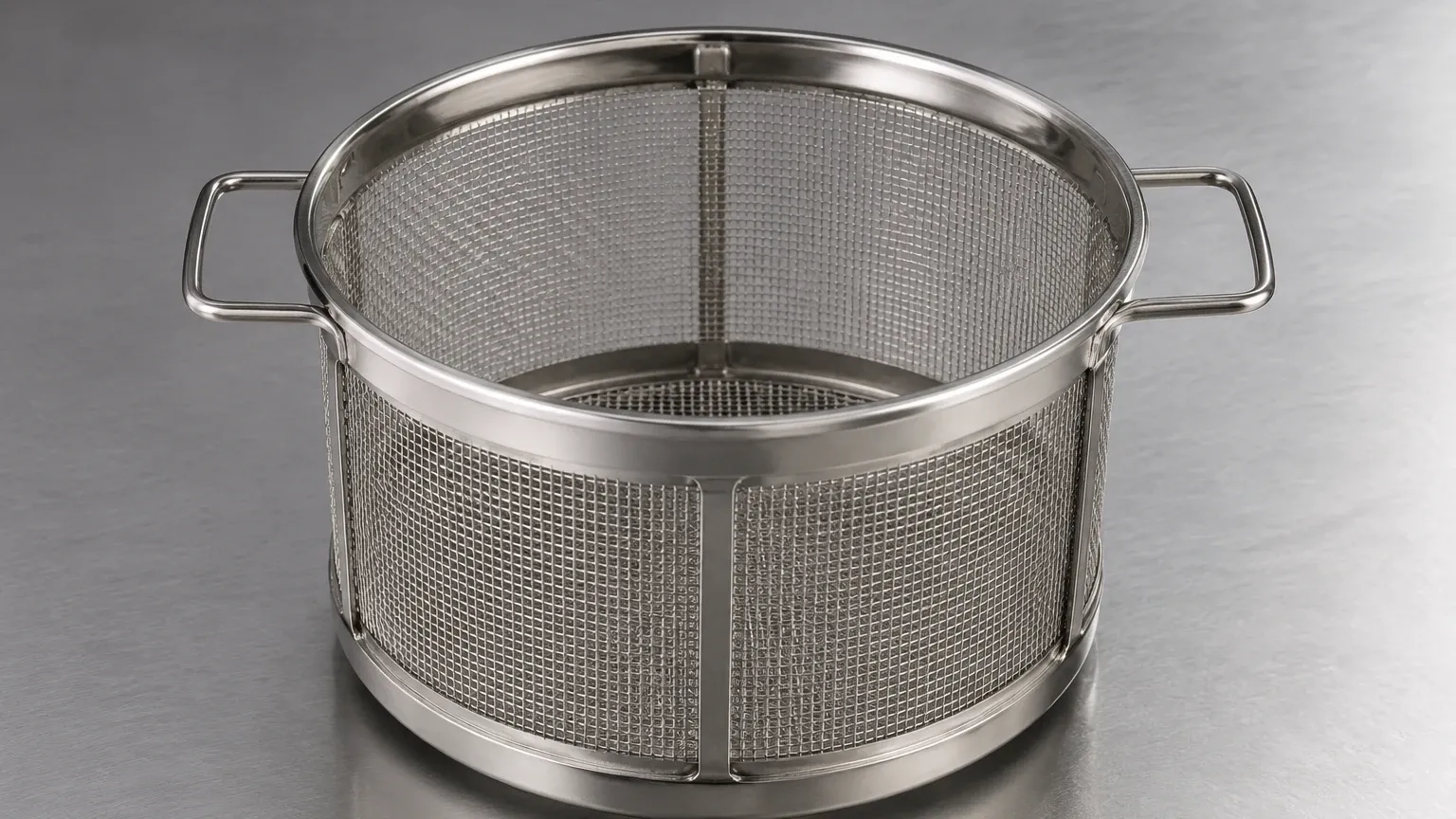
A strainer basket pot is essentially a high-capacity filtration element housed within a pressure vessel. It is designed for applications where the concentration of solids is relatively high, or where the process cannot be frequently interrupted for maintenance. The "pot" designation typically refers to the deep, cylindrical shape of the basket, which allows it to accumulate a substantial volume of debris while maintaining a low pressure drop across the system.
The primary function of these components is coarse to medium filtration. While they are not intended to replace fine membrane filters, they are indispensable for removing scale, weld slag, pebbles, and other particulates that are common in industrial piping systems. By utilizing a strainer basket pot, facilities can ensure the longevity of more sensitive and expensive equipment located further down the process line.
Key Engineering Specifications for Strainers & Baskets
When specifying a strainer basket pot, several technical parameters must be evaluated to ensure performance and durability. These specifications define how the filter will behave under operational stress and how effectively it will protect the system.
Material Selection and Alloy Compatibility
Stainless steel is the industry standard for strainer basket pots due to its exceptional strength and resistance to corrosion. The two most common alloys used are:
* SS304: Suitable for general-purpose applications, including water treatment and less aggressive chemical processes. It offers good corrosion resistance and is cost-effective.
* SS316/SS316L: Preferred for pharmaceutical, food and beverage, and highly corrosive chemical environments. The addition of molybdenum in SS316 provides superior resistance to chlorides and pitting, which is essential for marine or high-salinity applications.
Filtration Precision and Mesh Configuration
The filtration efficiency of a strainer basket pot is determined by its opening size. This is typically achieved through perforated metal, woven wire mesh, or a combination of both.
* Perforated Metal: Used for coarse filtration (e.g., 1/8" or 1/16" holes). It provides the structural backbone of the basket.
* Woven Wire Mesh: For finer filtration requirements, a wire mesh liner is sintered or welded to the perforated metal. This allows for precision down to 20 microns or less, depending on the application.
Open Area Ratio
The open area ratio is the ratio of the total area of the holes in the basket to the cross-sectional area of the inlet pipe. A high open area ratio (typically 4:1 or higher) is desirable because it minimizes the initial pressure drop and allows the strainer to operate longer before the accumulated debris restricts the flow.
Evaluating the Design of a Strainer Basket Pot
The physical design of the strainer basket pot influences both its ease of maintenance and its structural integrity. Engineers must consider how the basket will be handled during cleaning and how it will withstand the pressures of the system.
Structural Reinforcement
In high-pressure applications or systems with high-viscosity fluids, the basket is subjected to significant mechanical stress. To prevent collapsing or bypassing, baskets are often designed with reinforced bottoms, heavy-duty side seams, and support rings. For larger pots, a heavy-gauge perforated metal cage is used to support a finer mesh lining, ensuring that the mesh does not tear under the force of the fluid flow.
Handle and Lifting Mechanisms
Since industrial strainer basket pots can become quite heavy when filled with debris, the design of the handle is a practical consideration. Common options include:
* Bail Handles: Standard for smaller baskets, allowing for quick manual removal.
* Slotted or Heavy-Duty Handles: Required for larger baskets that may need mechanical assistance or a more secure grip for operators wearing industrial gloves.
* Lift-out Straps: Used in extra-deep pots where the handle must be accessible from the top of the housing.
Sealing and Gasket Integrity
To prevent fluid from bypassing the filtration element, the strainer basket pot must seat securely within the housing. This is usually achieved through a machined flange or a specialized gasket (O-ring) at the top of the basket. Material compatibility for these seals (e.g., EPDM, Viton, or PTFE) must be verified against the process fluid and operating temperature.
Applications Across Demanding Industrial Sectors
The versatility of the strainer basket pot makes it a staple in various industries. Each sector has unique requirements that dictate the design and material of the filtration component.
Chemical and Petrochemical Processing
In these environments, the primary concern is chemical compatibility and safety. Strainer basket pots are used to protect pumps and meters from catalysts, polymers, and pipe scale. The use of SS316L and specialized coatings is common to prevent stress corrosion cracking.
Food and Beverage Production
Hygiene is the priority in food and beverage applications. Strainer basket pots must be designed with smooth surfaces and minimal crevices to prevent bacterial growth. They are often used to remove pulp from juices, seeds from preserves, or particulates from cooling water. These baskets typically require polished stainless steel finishes and food-grade gaskets.
Water Treatment and Desalination
Large-scale water intake systems use strainer basket pots to remove organic matter, sand, and shells. In desalination plants, the high salt content necessitates the use of high-grade alloys or specialized duplex stainless steels to resist the aggressive nature of seawater.
Hydraulic and Lube Oil Systems
Protecting hydraulic components from metal shavings and environmental contaminants is vital for system reliability. Strainer baskets in these systems must handle high-viscosity fluids and maintain structural integrity even when the oil is cold and flow resistance is high.
Selection Criteria: Choosing the Right Strainer Basket Pot
To ensure the selected strainer basket pot meets the operational demands of a facility, engineers should follow a systematic selection process. Relying on accurate data prevents common issues such as premature clogging or equipment damage.
1. Fluid Properties: Determine the viscosity, density, and chemical composition of the fluid. Higher viscosity fluids require larger mesh openings or increased surface area to maintain acceptable flow rates.
2. Flow Rate and Pressure Drop: Calculate the maximum flow rate and the maximum allowable pressure drop (Delta P). A strainer should be sized so that the clean pressure drop does not exceed 2-3 psi.
3. Particle Size Distribution: Identify the size of the smallest particle that must be removed. The mesh size should be slightly smaller than the smallest particle to ensure effective capture.
4. Operating Temperature and Pressure: Ensure the materials and construction of the strainer basket pot can withstand the maximum operating temperature and pressure of the system, including potential surges.
5. Cleaning Frequency: Estimate the volume of solids expected in the stream. If the solids loading is high, a larger "pot" volume or a duplex strainer system (which allows for cleaning without stopping the flow) may be necessary.
Maintenance and Operational Efficiency
The effectiveness of a strainer basket pot is directly linked to its maintenance schedule. A clogged basket increases the differential pressure, which can eventually lead to basket failure or pump cavitation.
Monitoring Differential Pressure
The most reliable way to determine when a strainer needs cleaning is by monitoring the differential pressure across the unit. Many industrial housings are equipped with DP gauges. When the pressure drop reaches a predetermined limit (usually 10-15 psi above the clean pressure drop), the basket should be removed and cleaned.
Cleaning Protocols
Cleaning procedures depend on the nature of the debris. For non-adherent particles, a simple water spray or compressed air may suffice. For sticky or oily residues, chemical cleaning or ultrasonic baths may be required. It is essential to inspect the mesh for signs of wear, fraying, or corrosion during every cleaning cycle. Damaged baskets must be replaced immediately to prevent bypass.
Customization and OEM Solutions for Specialized Requirements
While standard sizes are available, many industrial applications require customized strainer basket pots to fit existing housings or to meet unique process conditions. Customization options include:
* Variable Dimensions: Adjusting the diameter and depth of the pot to maximize dirt-holding capacity within space constraints.
* Specialized Mesh Weaves: Utilizing Dutch weave or twilled weave for specific filtration characteristics.
* Reinforced Structures: Adding external cages or internal supports for high-pressure differentials.
* Magnetic Inserts: Incorporating magnetic rods within the basket to capture fine ferrous particles that might otherwise pass through the mesh.
By working with a professional manufacturer like Kaifil, engineers can develop tailored filtration solutions that optimize performance and reduce the total cost of ownership. Custom-engineered baskets ensure a perfect fit, which is critical for maintaining the seal and preventing bypass in high-precision applications.
Conclusion
The strainer basket pot is a fundamental component in the maintenance of industrial process integrity. By providing a robust, high-capacity solution for solids removal, these components protect expensive machinery and ensure product quality. Successful implementation depends on a thorough evaluation of material compatibility, flow dynamics, and structural requirements. Whether for a standard water line or a complex chemical reactor, selecting the right strainer basket pot is a vital step in achieving efficient and reliable industrial filtration.
