


Strainer Basket Rectangle
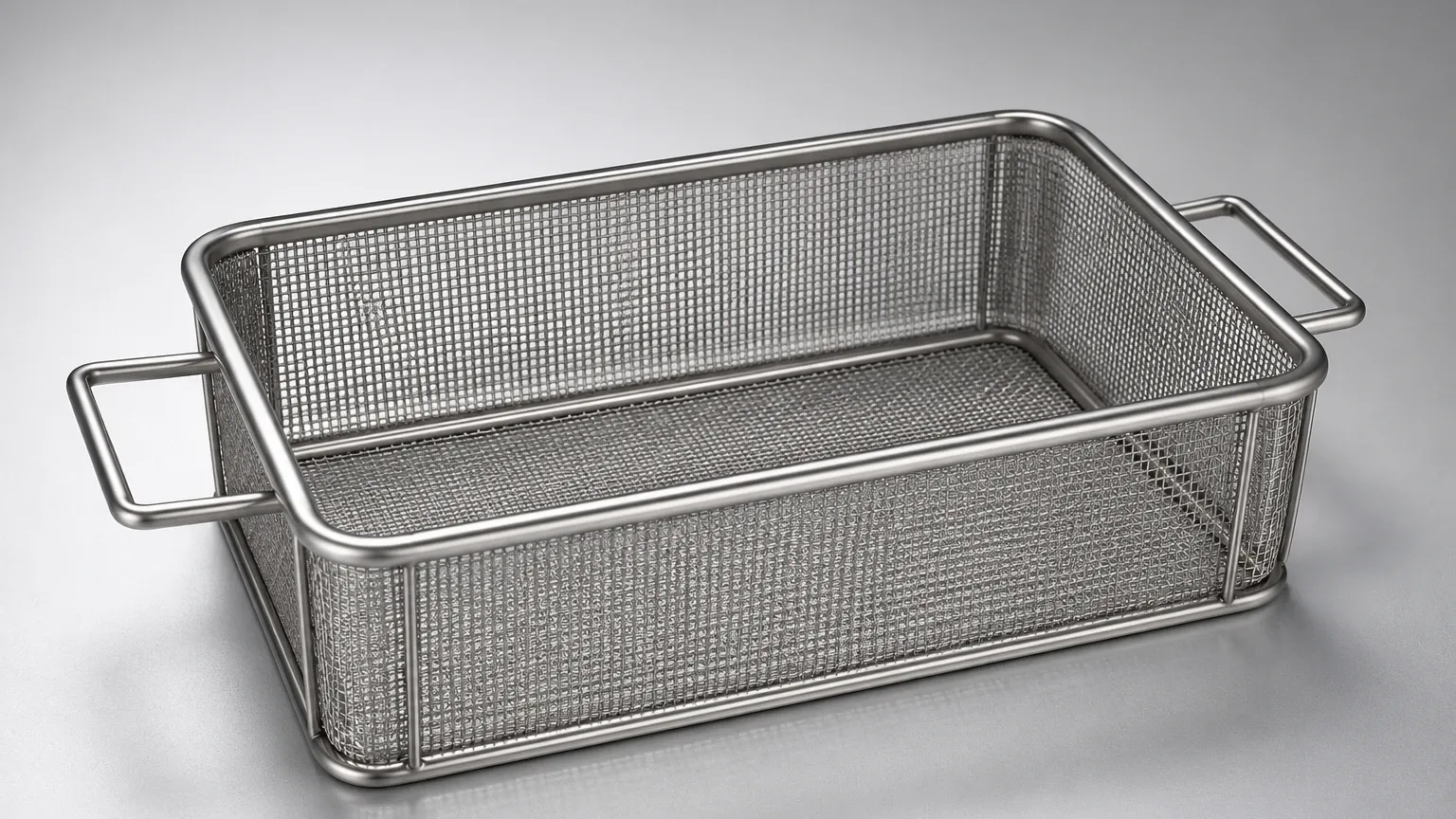
In industrial filtration and fluid handling, the geometry of a filtration component is often dictated by the specific equipment housing or the nature of the process flow. While cylindrical filters are common in pressurized piping systems, a strainer basket rectangle design is frequently the optimal choice for open-channel systems, sumps, tanks, and specialized industrial machinery. These rectangular components provide a high surface area for debris collection while fitting into non-cylindrical spaces where standard filters would be inefficient or impossible to install.
As a professional manufacturer, Kaifil specializes in engineering Strainers & Baskets that meet the rigorous demands of industrial environments. Understanding the technical nuances of rectangular strainer design—from material selection to structural reinforcement—is essential for engineers and purchasing teams looking to optimize filtration performance and equipment longevity.
Engineering Considerations for Rectangular Strainer Baskets
Designing a strainer basket rectangle involves more than simply altering the shape of a standard basket. The rectangular geometry introduces unique mechanical stresses and flow patterns that must be accounted for during the engineering phase.
Structural Integrity and Stress Distribution
Unlike cylindrical baskets, which distribute internal and external pressure evenly across a curved surface, rectangular baskets have flat sides and distinct corners. These corners act as natural stress concentration points. To prevent deformation under heavy particulate loads or high flow rates, industrial-grade rectangular baskets often require vertical or horizontal reinforcement ribs. Engineers must calculate the maximum expected weight of the captured solids to determine the necessary gauge of the stainless steel mesh or perforated plate.
Flow Dynamics and Effective Filtration Area
The flow of fluid through a rectangular basket differs significantly from a radial flow system. In many applications, such as gravity-fed sumps, the fluid enters from the top and exits through the bottom and sides. Maximizing the "open area" percentage is critical to minimizing pressure drop (delta P). A well-designed strainer basket rectangle utilizes a combination of structural perforated metal for strength and fine wire mesh for precision filtration, ensuring that the flow remains consistent even as the basket begins to fill with debris.
Material Selection for Industrial Environments
The choice of material is perhaps the most critical factor in determining the service life of a strainer basket. Kaifil utilizes high-grade stainless steel to ensure chemical compatibility and physical durability.
* Stainless Steel 304: This is the standard choice for general industrial applications. It offers excellent strength and good corrosion resistance for water treatment and non-acidic chemical processes.
* Stainless Steel 316/316L: For more demanding environments, such as marine applications, food processing, or chemical plants involving chlorides and acids, SS316 is preferred. The addition of molybdenum enhances its resistance to pitting and crevice corrosion.
* Specialty Alloys: In extreme cases involving high temperatures or highly aggressive chemicals, alloys like Monel or Hastelloy may be required, though stainless steel remains the industry benchmark for the majority of B2B filtration needs.
Key Design Features and Customization Options
Industrial applications rarely follow a "one size fits all" approach. Customization is often necessary to ensure the strainer basket rectangle integrates seamlessly with existing hardware. Key features to consider include:
Handle and Lifting Configurations
Since these baskets must be removed for cleaning, the handle design is vital for operator safety and efficiency. Options include fixed rod handles, drop handles that lay flat to avoid obstructing flow, or dual handles for larger, heavier baskets that require two-person lifting or mechanical hoists.
Mounting and Sealing
To prevent fluid bypass, the basket must seat securely within its housing. This is often achieved through a machined flange at the top of the basket. In some precision applications, a gasket (made of EPDM, Viton, or PTFE) is integrated into the flange to create a positive seal against the housing wall.
Perforation and Mesh Sizes
The filtration accuracy is determined by the mesh count or perforation diameter. For coarse filtration (protecting pumps from large debris), a perforated plate with 1/8" or 1/4" holes may suffice. For finer filtration, a multi-layer approach is used: a heavy-duty perforated outer basket provides structural support, while a fine stainless steel wire mesh liner captures smaller particles down to the micron level.
Industrial Applications for Rectangular Filtration
The versatility of the strainer basket rectangle makes it a staple in several key industries. Its ability to be customized to specific dimensions allows it to serve in roles where standard off-the-shelf filters fail.
Food and Beverage Processing
In the food industry, rectangular baskets are used in flume systems for washing produce, draining fats in industrial fryers, or capturing solids in wastewater streams. Stainless steel is mandatory here to meet hygiene standards and withstand frequent high-pressure washdowns with caustic cleaning agents.
Chemical and Pharmaceutical Manufacturing
Process tanks and chemical baths often utilize rectangular baskets to hold catalysts or to filter out precipitates. The precision of the mesh ensures that valuable chemical components are retained while the fluid is allowed to circulate freely.
Automotive and Parts Washing
Industrial parts washers use large rectangular baskets to hold metal components during aqueous or solvent-based cleaning cycles. These baskets must be exceptionally rugged to withstand the weight of metal parts and the turbulence of high-pressure spray nozzles.
Performance Evaluation and Selection Criteria
When specifying a strainer basket rectangle, engineers should evaluate several performance metrics to ensure the component is fit for purpose.
1. Micron Rating vs. Flow Rate: There is always a trade-off between how fine a filter can capture and how much fluid can pass through it. A finer mesh increases resistance, which can lead to higher pump energy costs or overflow in gravity systems.
2. Total Solids Loading Capacity: How much debris can the basket hold before it requires cleaning? In high-load environments, a deeper rectangular basket may be required to extend the maintenance interval.
3. Ease of Cleaning: Rectangular baskets with smooth interior surfaces and radiused corners (where possible) are easier to clean than those with sharp 90-degree angles, as they prevent material buildup in the seams.
Maintenance and Cleaning for Long-Term Durability
Stainless steel Strainers & Baskets are designed for longevity, but their performance depends on regular maintenance. Over time, particles can become wedged in the mesh (a phenomenon known as "blinding"), which significantly reduces the effective filtration area.
Cleaning Procedures
* Manual Cleaning: For coarse debris, a simple pressure wash or manual brushing is often sufficient. It is important to brush in the direction of the wire weave to avoid damaging the mesh.
* Ultrasonic Cleaning: For fine mesh baskets used in pharmaceutical or high-precision chemical applications, ultrasonic cleaning can remove sub-micron particles trapped deep within the wire intersections.
* Chemical Soaking: If the basket is used with oils, resins, or proteins, a chemical soak may be necessary to break down the organic matter before mechanical cleaning.
Inspection Intervals
Regular inspections should check for signs of mechanical fatigue, such as broken wires in the mesh or cracked welds at the corners. Catching these issues early prevents debris from bypassing the filter and damaging downstream equipment like pumps, valves, or spray nozzles.
Sourcing Custom Strainer Baskets from Kaifil
Selecting the right filtration partner is crucial for B2B operations where downtime translates directly to lost revenue. Kaifil provides comprehensive OEM and customization services, ensuring that every strainer basket rectangle is manufactured to exact tolerances.
By focusing on high-quality materials and advanced manufacturing techniques—such as precision TIG welding and accurate mesh tensioning—Kaifil delivers filtration solutions that stand up to the most demanding industrial environments. Whether you are designing a new system or looking for a more durable replacement for an existing process, understanding the technical requirements of your application is the first step toward optimized performance.
When evaluating your next filtration project, consider the total cost of ownership. A cheaper, lower-quality basket may save on initial costs but can lead to frequent replacements, higher maintenance labor, and potential damage to expensive downstream machinery. Investing in a precision-engineered stainless steel solution ensures reliable operation and long-term value.
