


Strainer Grid Intex Pool
In the context of fluid management and water treatment, the strainer grid serves as a critical primary filtration stage. While often associated with residential pool systems, the engineering principles behind a strainer grid intex pool component are foundational to broader industrial filtration. For engineers and facility managers, understanding the material limitations, flow dynamics, and structural integrity of these components is essential for maintaining system efficiency and protecting downstream equipment like pumps and heaters.
Industrial-grade filtration often requires a transition from standard consumer-grade plastic components to high-performance metal solutions. This article explores the technical specifications of strainer grids, the advantages of stainless steel upgrades, and the engineering considerations necessary for selecting robust Strainers & Baskets for demanding water treatment applications.
The Technical Role of the Strainer Grid in Filtration Cycles
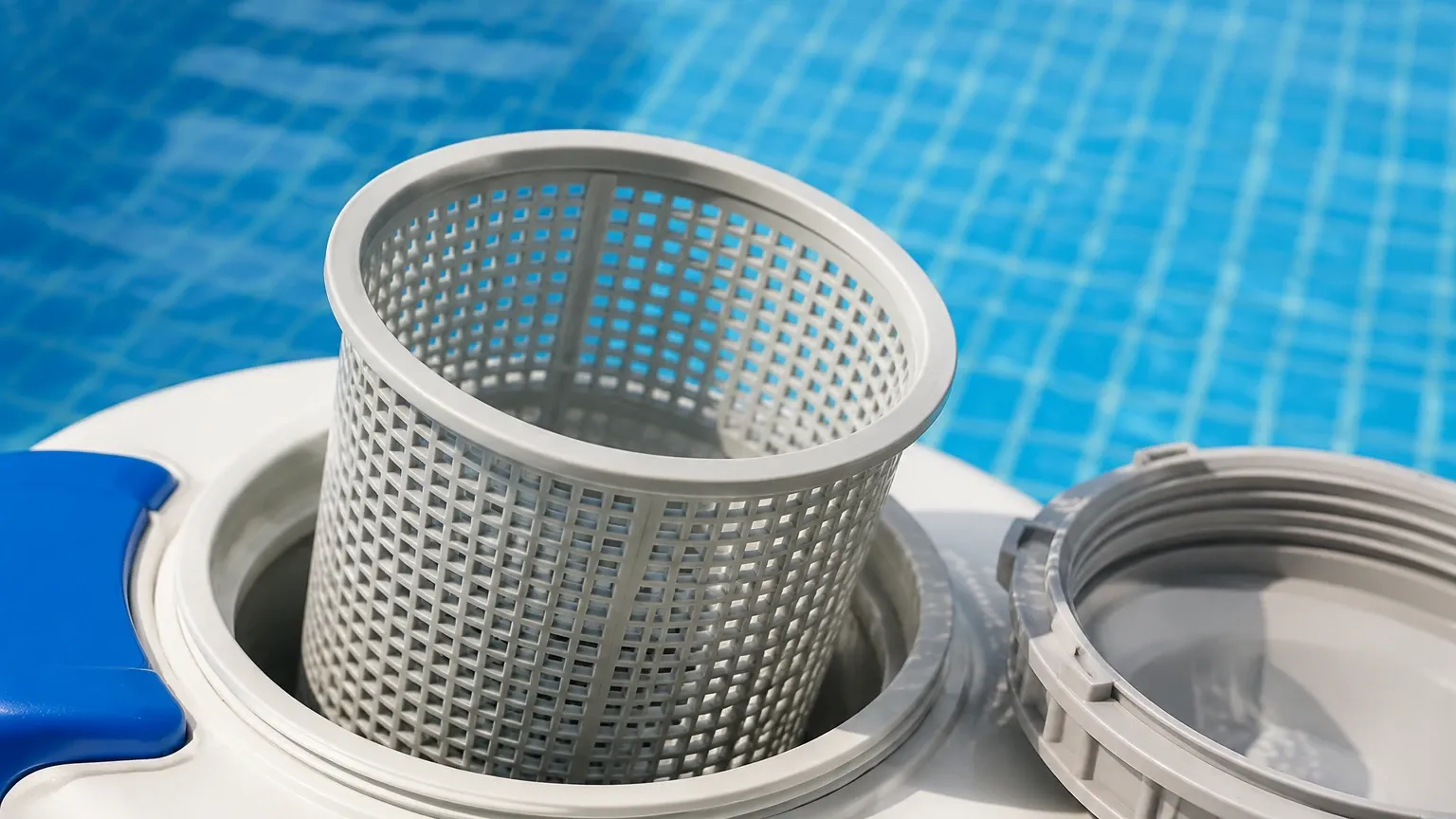
The strainer grid is the first line of defense in a recirculating water system. Its primary function is to intercept large debris—such as leaves, hair, and inorganic solids—before they reach the pump impeller or the fine media filter (such as sand or DE filters). In a standard pool configuration, the strainer grid is typically located at the suction point or within the pump's pre-filter basket.
From an engineering perspective, the performance of a strainer grid is measured by its ability to balance two competing factors: filtration efficiency and pressure drop. A grid with smaller apertures will capture more debris but will also create higher resistance to flow as it begins to load. Conversely, a grid with larger openings allows for higher flow rates but risks allowing smaller particles to pass through, which can cause mechanical wear on the pump’s internal components or clog the heat exchanger tubes.
Material Limitations: Plastic vs. Stainless Steel
Standard components for residential systems, such as the strainer grid intex pool parts, are frequently manufactured from injection-molded plastics like ABS or PVC. While cost-effective for light-duty use, these materials face significant challenges in commercial or industrial environments:
1. Chemical Degradation: Continuous exposure to high concentrations of chlorine, bromine, or salt (in saltwater systems) can lead to polymer degradation. Over time, plastic grids become brittle and prone to cracking under hydraulic stress.
2. Thermal Stability: In systems where water temperatures fluctuate or where the grid is located near heating elements, plastic components may warp, compromising the seal and allowing bypass.
3. Mechanical Strength: High-suction pumps can exert significant pressure on a strainer grid. If the grid is partially blocked, the pressure differential across the material increases. Plastic grids often fail by collapsing or shearing at the mounting points.
For industrial applications or high-traffic commercial pools, upgrading to stainless steel (typically Grade 304 or 316) provides superior longevity. Stainless steel offers excellent corrosion resistance and maintains its structural integrity across a wide temperature range and under significant mechanical loads.
Engineering Specifications for Strainer Selection
When specifying or replacing a strainer grid, technical professionals must evaluate several key parameters to ensure the component is fit for purpose.
Open Area Ratio
The open area ratio is the percentage of the total surface area of the grid that is open to flow. A higher open area ratio results in a lower initial pressure drop. In industrial filtration design, it is common to aim for an open area that is at least 3 to 4 times the cross-sectional area of the inlet pipe. This ensures that even as the grid becomes partially obscured by debris, the system can still maintain adequate flow without cavitating the pump.
Micron Rating and Mesh Size
For strainer grids, the "mesh size" refers to the number of openings per linear inch. In pool and water treatment contexts, the grid is usually designed for coarse filtration (typically 1/8" to 1/16" perforations). However, for specialized industrial processes, a finer wire mesh may be overlaid on a perforated metal support to provide precise filtration down to specific micron levels. Engineers must confirm the particle size distribution of the expected debris to select the appropriate mesh density.
Hydraulic Resistance (Delta P)
Monitoring the pressure drop ($ΔP$) across the strainer is the most effective way to determine the cleaning cycle. An engineered strainer grid should have a known clean pressure drop at a given flow rate (GPM or $m^3/h$). If the $ΔP$ exceeds the manufacturer's recommended threshold (often 5-10 psi for coarse strainers), the grid must be cleaned to prevent pump damage.
Maintenance and Replacement Cycles
Proper maintenance of the strainer grid intex pool assembly or its industrial equivalent is vital for the total cost of ownership. In commercial settings, maintenance protocols should include:
* Visual Inspection: Checking for signs of "stress whitening" in plastic parts or pitting/crevice corrosion in metal parts.
* Cleaning Procedures: Debris should be removed using low-pressure water or soft brushes. Using high-pressure washers can damage the fine wire mesh or force debris deeper into the apertures, leading to permanent blinding.
* Seal Integrity: The gasket or O-ring that seats the strainer grid must be inspected for compression set or chemical swelling. A bypass at the seal renders the entire filtration stage ineffective.
In high-demand environments, plastic grids may require replacement every 1-2 seasons. In contrast, custom-engineered stainless steel Strainers & Baskets can last for a decade or more, significantly reducing the labor costs and downtime associated with frequent replacements.
Customization Options for Industrial Water Treatment
Many industrial facilities utilize water intake systems that share design similarities with pool filtration but operate at much higher scales. In these instances, off-the-shelf components like the strainer grid intex pool parts are insufficient. Custom manufacturing allows for the development of filtration components tailored to specific needs:
* Reinforced Structures: For high-pressure applications, the strainer grid can be reinforced with internal ribs or heavy-duty perforated backing to prevent collapse.
* Alloy Selection: For highly corrosive environments, such as seawater desalination or chemical processing, specialized alloys like Duplex stainless steel or Monel can be used.
* Custom Dimensions: OEM manufacturers like Kaifil can produce strainer grids and baskets to exact dimensional tolerances, ensuring a perfect fit in existing housing units without the need for bypass-prone adapters.
Total Cost of Ownership (TCO) Considerations
When purchasing filtration components, procurement teams often focus on the initial unit price. However, a technical TCO analysis reveals that higher-quality materials offer better value. Consider the following factors:
1. Downtime Costs: The failure of a $50 plastic strainer grid can lead to the failure of a $5,000 pump. The cost of system downtime and emergency repairs far outweighs the investment in a high-quality metal strainer.
2. Filtration Efficiency: Precision-manufactured grids ensure that no debris bypasses the system. This protects downstream fine filters, extending their life and reducing the frequency of backwashing or cartridge replacement.
3. Energy Consumption: A well-designed strainer with a high open area ratio minimizes resistance. Over the course of a year, the reduction in pump energy consumption can contribute to significant operational savings.
Conclusion for Technical Buyers
Whether maintaining a large-scale aquatic facility or managing an industrial cooling water loop, the strainer grid is a fundamental component that requires careful selection. While a standard strainer grid intex pool part may suffice for residential applications, industrial and commercial systems demand the durability and precision of metal filtration solutions.
By focusing on material science, hydraulic performance, and structural integrity, engineers can optimize their filtration cycles and protect their mechanical assets. For those requiring specialized dimensions or high-performance materials, exploring custom Strainers & Baskets is the most effective path toward achieving long-term system reliability and cost-efficiency.
