


Strainer Ng Lababo
In industrial and commercial environments, the component commonly referred to as a strainer ng lababo—or sink strainer—serves a function far more critical than its domestic counterpart. While a household strainer is designed for basic waste management, industrial-grade Strainers & Baskets are precision-engineered filtration tools. They are essential for protecting downstream plumbing, preventing pump damage, and ensuring compliance with environmental and sanitary regulations in sectors such as food processing, pharmaceuticals, and chemical manufacturing.
For engineers and procurement professionals, selecting the right strainer ng lababo involves a deep understanding of material science, fluid dynamics, and mechanical durability. This guide examines the technical specifications and engineering considerations necessary to optimize filtration performance in demanding industrial settings.
Understanding the Industrial Strainer Ng Lababo
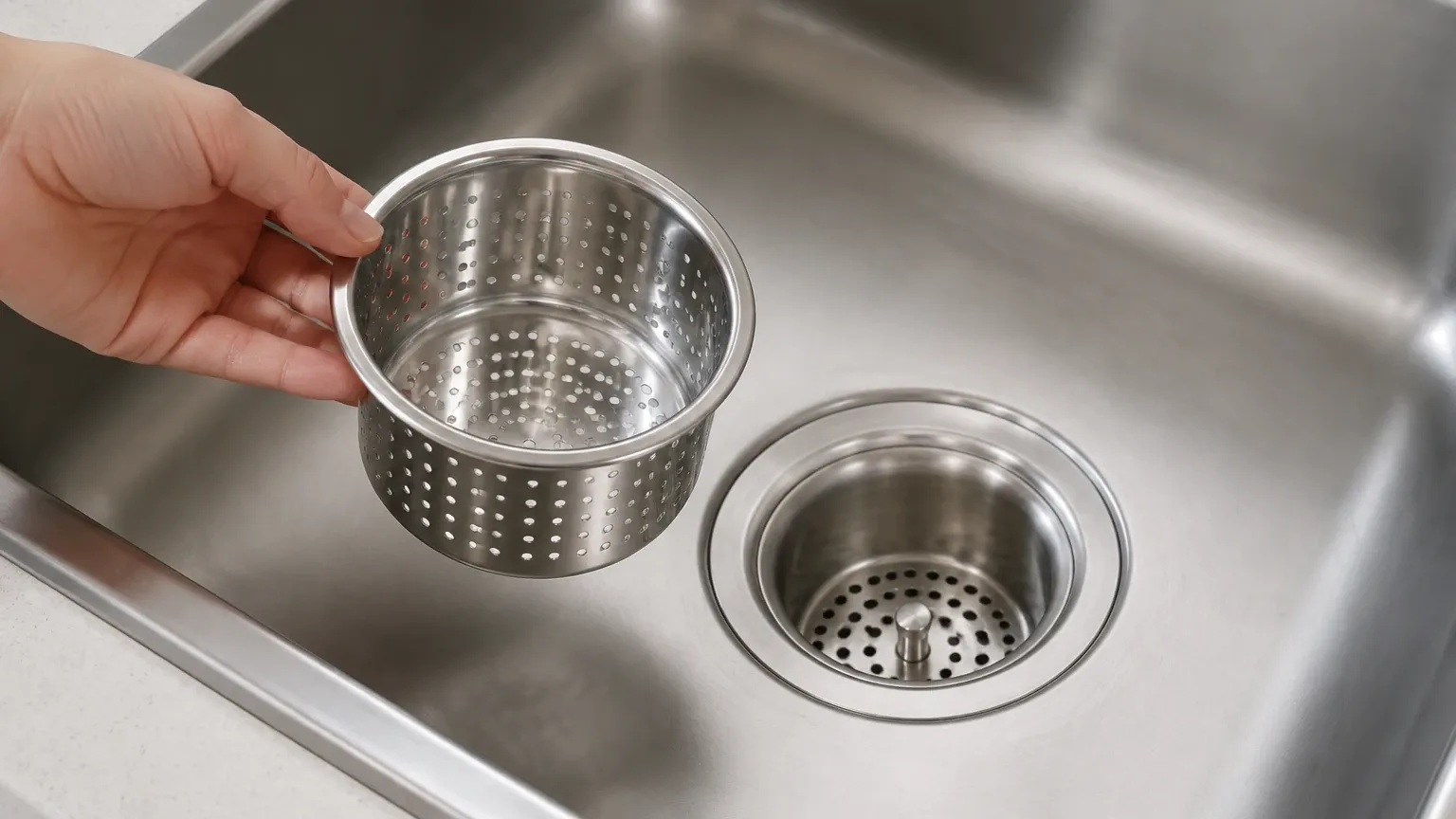
The term "strainer ng lababo" typically describes the basket or mesh insert placed within a drainage system to capture solid debris while allowing liquids to pass through. In a B2B context, these are usually categorized as basket strainers or suction strainers. Unlike consumer products made from thin-gauge plastics or low-grade alloys, industrial strainers must withstand high flow rates, corrosive cleaning agents, and physical impact.
Kaifil specializes in the manufacture of custom stainless steel filtration solutions, where the design of the strainer is dictated by the specific particle size that needs to be retained. Whether the application is a commercial kitchen sink or a large-scale industrial wash station, the primary goal remains the same: to provide a reliable barrier that prevents solids from entering the effluent stream.
Material Science: Why Stainless Steel is Essential
Material selection is the most significant factor in the longevity and performance of a strainer ng lababo. In industrial environments, the use of high-grade stainless steel is non-negotiable due to its resistance to oxidation and chemical degradation.
AISI 304 vs. AISI 316L
* AISI 304 Stainless Steel: This is the standard grade for most commercial applications. It offers excellent corrosion resistance and is suitable for environments where exposure to harsh chemicals is limited. It is commonly used in food service and general industrial drainage.
* AISI 316L Stainless Steel: For applications involving high salinity, acidic fluids, or stringent pharmaceutical standards, 316L is preferred. The addition of molybdenum enhances its resistance to pitting and crevice corrosion, making it the ideal choice for high-performance Strainers & Baskets used in chemical processing plants.
Thermal and Mechanical Stability
Industrial drainage often involves the disposal of high-temperature liquids. A high-quality strainer ng lababo must maintain its structural integrity at temperatures exceeding 100°C without warping or losing its filtration accuracy. Stainless steel provides the necessary mechanical strength to handle the weight of collected debris without collapsing, ensuring that the filtration gap remains consistent throughout the service life of the component.
Design Parameters for Custom Baskets
Engineers must look beyond the basic dimensions of a strainer ng lababo and consider the specific design parameters that influence filtration efficiency. Customization allows for the optimization of these parameters based on the unique requirements of the facility.
Woven Wire Mesh vs. Perforated Metal
The filtration medium of the strainer can be constructed from either woven wire mesh or perforated metal sheets.
1. Woven Wire Mesh: This provides a higher percentage of open area, which is beneficial for applications requiring high flow rates with minimal pressure drop. It is ideal for capturing fine particles but may require a support cage for structural reinforcement in high-pressure systems.
2. Perforated Metal: This offers superior mechanical strength and is easier to clean. It is typically used for primary filtration where the goal is to capture larger debris. Many industrial Strainers & Baskets utilize a dual-layer design, featuring a perforated outer shell for strength and a fine wire mesh inner lining for precision.
The Importance of the Open Area Ratio
The "open area" refers to the total area of the holes in the strainer relative to the total surface area. A higher open area ratio reduces the frequency of cleaning and prevents the "clogging factor" from prematurely slowing down the drainage process. For industrial applications, an open area ratio of at least 3:1 (the area of the strainer holes compared to the cross-sectional area of the inlet pipe) is often recommended to ensure consistent flow.
Operational Efficiency and Flow Dynamics
A poorly designed strainer ng lababo can create a bottleneck in an industrial process. When fluid flow is restricted, it leads to standing water, which can become a biohazard in food and beverage production or a safety risk in chemical plants.
Pressure Drop Considerations
Every filtration component introduces some level of resistance to flow, known as pressure drop. In gravity-fed drainage systems, a high pressure drop caused by a clogged or undersized strainer can lead to backups. Engineers must calculate the expected solid load to determine the appropriate volume of the strainer basket. A larger basket volume allows for more debris accumulation before the flow rate is significantly impacted.
Handle and Seal Configurations
For ease of maintenance, the strainer ng lababo should feature an ergonomic handle design that allows for quick removal, even when wearing industrial gloves. Furthermore, in pressurized systems, the interface between the strainer and the housing must be perfectly sealed. Precision-machined flanges and high-quality gaskets (such as EPDM or Viton) are essential to prevent bypass—where unfiltered fluid escapes around the edges of the strainer.
Maintenance and Lifecycle Management
The total cost of ownership (TCO) for a strainer ng lababo is heavily influenced by its maintenance requirements. While a cheaper, lower-quality strainer may save on initial costs, the labor involved in frequent replacements and the risk of system downtime far outweigh the savings.
Cleaning Protocols
In the food and pharmaceutical industries, strainers must be compatible with Clean-in-Place (CIP) systems or be easily removable for manual sanitization. Stainless steel strainers can withstand high-pressure washing and caustic cleaning agents without degrading. Regular inspection should focus on identifying any signs of "blinding" (where particles become permanently lodged in the mesh) or mechanical wear at the weld points.
Replacement Cycles
The replacement cycle of industrial Strainers & Baskets depends on the abrasiveness of the debris and the frequency of cleaning. A well-manufactured stainless steel strainer from Kaifil can last for years in a standard commercial environment. However, in applications involving abrasive slurries, the mesh may eventually thin, requiring a proactive replacement strategy to prevent failure.
Procurement Guidelines for Engineers
When sourcing a strainer ng lababo for a B2B project, providing the manufacturer with detailed specifications is vital for ensuring the component performs as expected. Before placing an order, confirm the following details:
* Micron or Mesh Rating: Define the exact particle size that must be captured.
* Flow Rate (GPM or L/min): Ensure the strainer can handle the maximum discharge of the system.
* Dimensional Accuracy: Provide precise measurements for the flange diameter, basket depth, and housing clearance.
* Chemical Compatibility: Specify the types of fluids and cleaning agents the strainer will encounter.
* Compliance Requirements: Determine if the product needs to meet FDA, 3A, or other industry-specific sanitary standards.
Kaifil’s expertise in custom manufacturing allows for the production of filtration components that meet these exact specifications. By working directly with a manufacturer, engineering teams can bypass the limitations of off-the-shelf products and develop solutions that are tailored to their specific operational challenges.
Conclusion
Whether referred to as a strainer ng lababo or an industrial basket strainer, this component is a fundamental element of fluid management systems. In the B2B sector, the focus must remain on technical excellence, material durability, and precision engineering. By selecting high-quality Strainers & Baskets made from stainless steel, facilities can ensure efficient drainage, protect expensive equipment, and maintain high standards of operational hygiene.
For those tasked with maintaining industrial infrastructure, the investment in professional-grade filtration components is an investment in the long-term reliability of the entire system. Understanding the nuances of mesh selection, open area ratios, and material grades allows for informed purchasing decisions that reduce downtime and optimize performance.
