


Strainer Rice
In the industrial food processing sector, the efficiency of grain handling significantly impacts the quality of the final product and the operational costs of the facility. One of the most critical yet often overlooked stages in large-scale rice production is the separation of the grain from process water, a stage colloquially referred to in some technical circles as the "strainer rice" process. This involves the use of high-precision industrial filtration components to ensure that rice is thoroughly cleaned, rinsed, and drained without loss of material or contamination.
For engineers and procurement specialists in the food and beverage industry, selecting the right equipment for this task requires a deep understanding of material science, fluid dynamics, and hygiene standards. This guide explores the technical requirements for industrial Strainers & Baskets used in rice processing and how customized filtration solutions optimize production lines.
The Industrial Significance of Efficient Rice Straining
Rice processing at an industrial scale is a water-intensive operation. From the initial washing stages to remove dust and debris to the parboiling and soaking processes used for specific varieties, water serves as both a cleaning agent and a transport medium. The term strainer rice, in a B2B context, refers to the mechanical separation of these grains from the liquid phase.
In a commercial environment, this process must be continuous and highly reliable. Any failure in the straining mechanism can lead to significant downtime, product waste, or downstream damage to pumps and valves. Industrial strainers must handle high flow rates while maintaining the structural integrity of the rice grain. Excessive turbulence or rough surfaces within a strainer basket can cause grain breakage, which reduces the market value of the rice and creates "fines" that can clog filtration systems further down the line.
Key Components: Strainers & Baskets in Food Processing
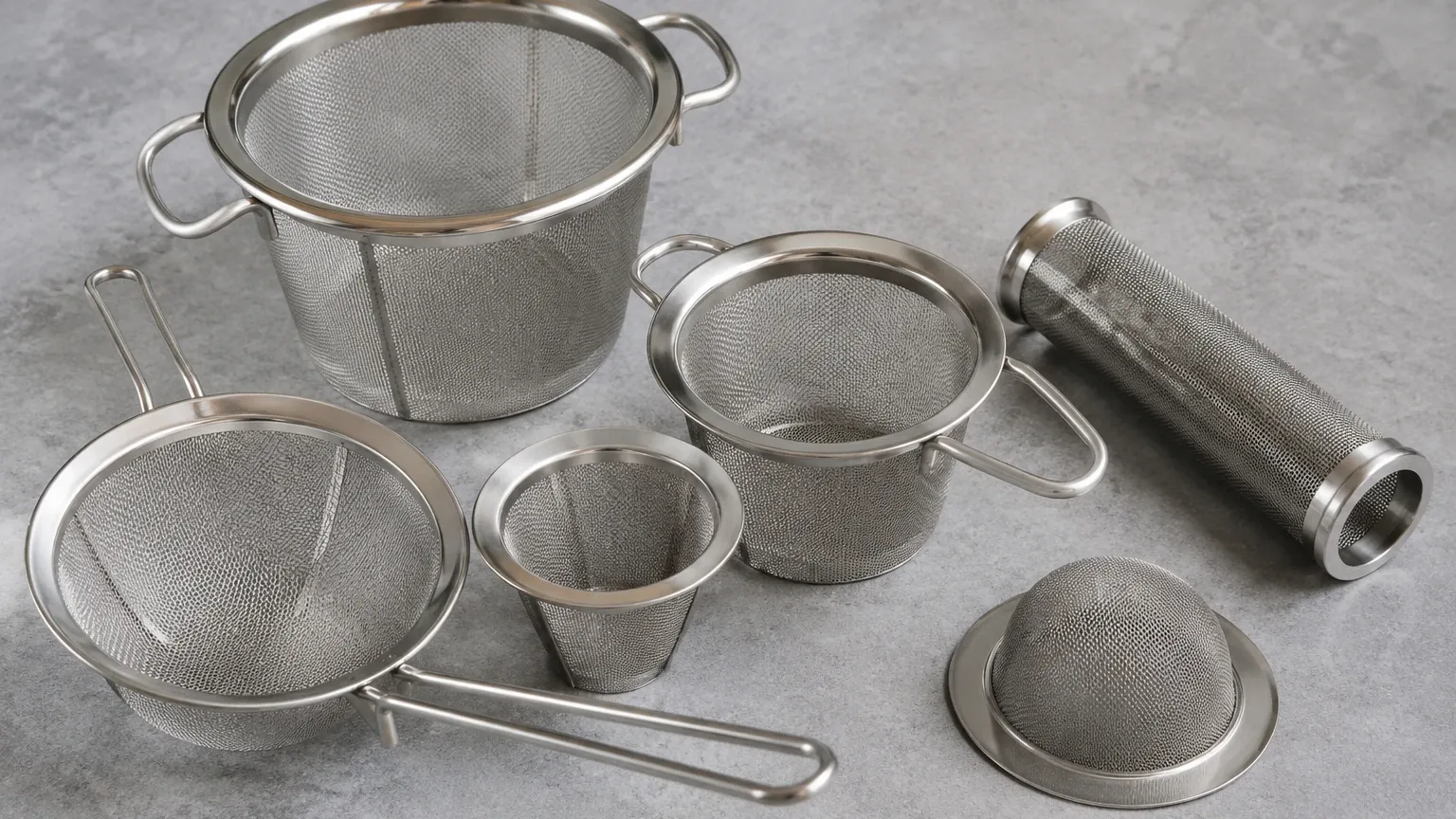
To achieve optimal results in the strainer rice process, manufacturers rely on specialized baskets and strainers designed for heavy-duty use. Unlike consumer-grade kitchen tools, industrial strainer baskets are engineered to withstand high pressure, thermal cycling, and chemical exposure from cleaning agents.
Basket Strainers
Basket strainers are the workhorses of the rice processing line. They are typically installed in-line to capture large volumes of solids. In rice applications, these baskets must feature a high open-area ratio to allow for rapid drainage while ensuring that even the smallest grains are retained.
Conical and Hat Strainers
For temporary or start-up applications, or in lines where solids loading is lower, conical strainers provide a cost-effective solution. However, for the continuous processing required for high-quality strainer rice, heavy-duty baskets are preferred due to their larger surface area and ease of cleaning.
Material Integrity: Why Stainless Steel is Essential
When dealing with food products, material selection is dictated by both performance and regulatory compliance. Stainless steel is the industry standard for rice straining applications for several reasons:
1. Corrosion Resistance: Rice processing involves constant exposure to water and, in some cases, acidic or alkaline cleaning solutions. Stainless steel grades 304 and 316 provide the necessary resistance to oxidation and pitting.
2. Hygienic Properties: The non-porous surface of stainless steel prevents the buildup of bacteria and biofilms. This is crucial in the strainer rice process to ensure the final product meets food safety standards (such as FDA or EHEDG guidelines).
3. Durability: Industrial strainers must withstand the abrasive nature of moving grains. Stainless steel maintains its shape and filtration accuracy even after years of continuous operation.
4. Temperature Tolerance: In parboiling applications, strainers are exposed to high temperatures. Stainless steel retains its mechanical strength under thermal stress, ensuring that the mesh does not warp or tear.
Engineering Specifications: Mesh Size and Flow Dynamics
Selecting the correct mesh size is a critical engineering decision for any strainer rice application. If the mesh is too coarse, small or broken grains will pass through, leading to product loss and potential damage to downstream equipment. If the mesh is too fine, the system will experience a high pressure drop, reducing flow rates and increasing the energy consumption of pumps.
Micron Ratings and Mesh Count
For standard long-grain rice, a mesh that balances retention with flow is essential. Engineers must consider the "fines"—the small particles of rice starch and broken grains—that are generated during processing. In some stages, a multi-layer mesh approach is used, where a coarse outer layer provides structural support and a fine inner layer provides the necessary filtration accuracy.
Pressure Drop Considerations
A well-designed strainer basket minimizes the pressure drop across the system. This is achieved by maximizing the effective filtration area. In industrial rice processing, where thousands of liters of water move through the system every hour, even a small reduction in pressure drop can lead to significant energy savings over the course of a year.
Customization and OEM Solutions for Industrial Strainers
Every rice processing facility has unique requirements based on the variety of rice being processed, the volume of production, and the specific layout of the piping system. Off-the-shelf solutions rarely provide the efficiency needed for high-output environments. This is where customized Strainers & Baskets become a competitive advantage.
Customization options include:
* Variable Dimensions: Tailoring the height and diameter of the basket to fit existing housings without requiring expensive piping modifications.
* Reinforced Structures: Adding support rods or perforated metal backing to the wire mesh to handle high-pressure surges or heavy solids loading.
* Handle and Lifting Lug Designs: Facilitating easy removal and cleaning, which reduces labor costs and improves worker safety.
* Specialized Coatings: In some cases, electropolishing is used to further enhance the surface smoothness, reducing the risk of grain adhesion and making the cleaning process more efficient.
Maintenance and Sanitation Protocols
In any food-grade application, the ability to clean equipment thoroughly is as important as the equipment's primary function. The strainer rice process can leave behind starch residues that, if not removed, can ferment or harbor microbial growth.
Clean-in-Place (CIP) Compatibility
Modern industrial strainers are designed to be compatible with CIP systems. This allows the internal surfaces of the strainers and baskets to be cleaned without disassembling the entire line. Engineers must ensure that the strainer design avoids "dead zones" where water and cleaning agents cannot circulate freely.
Manual Inspection and Replacement
Even with CIP, regular manual inspection is necessary to check for mesh blinding or physical damage. A proactive replacement cycle for strainer baskets prevents catastrophic failures. When selecting a manufacturer, it is important to confirm the availability of replacement components that match the original specifications to maintain system performance.
Procurement Considerations for Engineering Teams
When sourcing components for the strainer rice process, purchasing teams and engineers should look beyond the initial purchase price. The Total Cost of Ownership (TCO) is a more accurate metric for evaluating filtration solutions.
Key factors to confirm with a manufacturer include:
* Filtration Accuracy: Can the manufacturer provide certified mesh sizes that meet the specific requirements of the grain variety?
* Structural Integrity: Is the basket designed to handle the weight of saturated rice and the force of high-pressure washdowns?
* Lead Times: For custom OEM solutions, what is the turnaround time from design approval to delivery?
* Technical Support: Does the supplier provide engineering guidance on material selection and flow optimization?
By focusing on these technical details, facilities can ensure that their rice straining operations are not only compliant with food safety standards but also optimized for maximum throughput and minimal waste.
Conclusion
The process of producing high-quality rice requires precision at every stage. While "strainer rice" might sound like a simple concept, the industrial reality involves complex engineering and high-performance materials. By investing in high-quality, customized Strainers & Baskets, food processors can protect their equipment, ensure product consistency, and improve their bottom line. Whether you are designing a new processing line or upgrading an existing facility, selecting a manufacturing partner with deep expertise in stainless steel filtration is the most effective way to achieve long-term operational success.
