


Strainer Xcmg
In the demanding environment of heavy machinery and construction equipment, the reliability of hydraulic and fuel systems is paramount. XCMG, as a global leader in construction machinery, utilizes sophisticated fluid power systems that require rigorous protection from particulate contamination. The term "strainer xcmg" typically refers to the specialized filtration components—specifically suction strainers and fuel pre-filters—designed to protect the core components of these machines. For engineers and maintenance professionals, understanding the technical specifications and material requirements of these strainers is essential for ensuring machine longevity and reducing unplanned downtime.
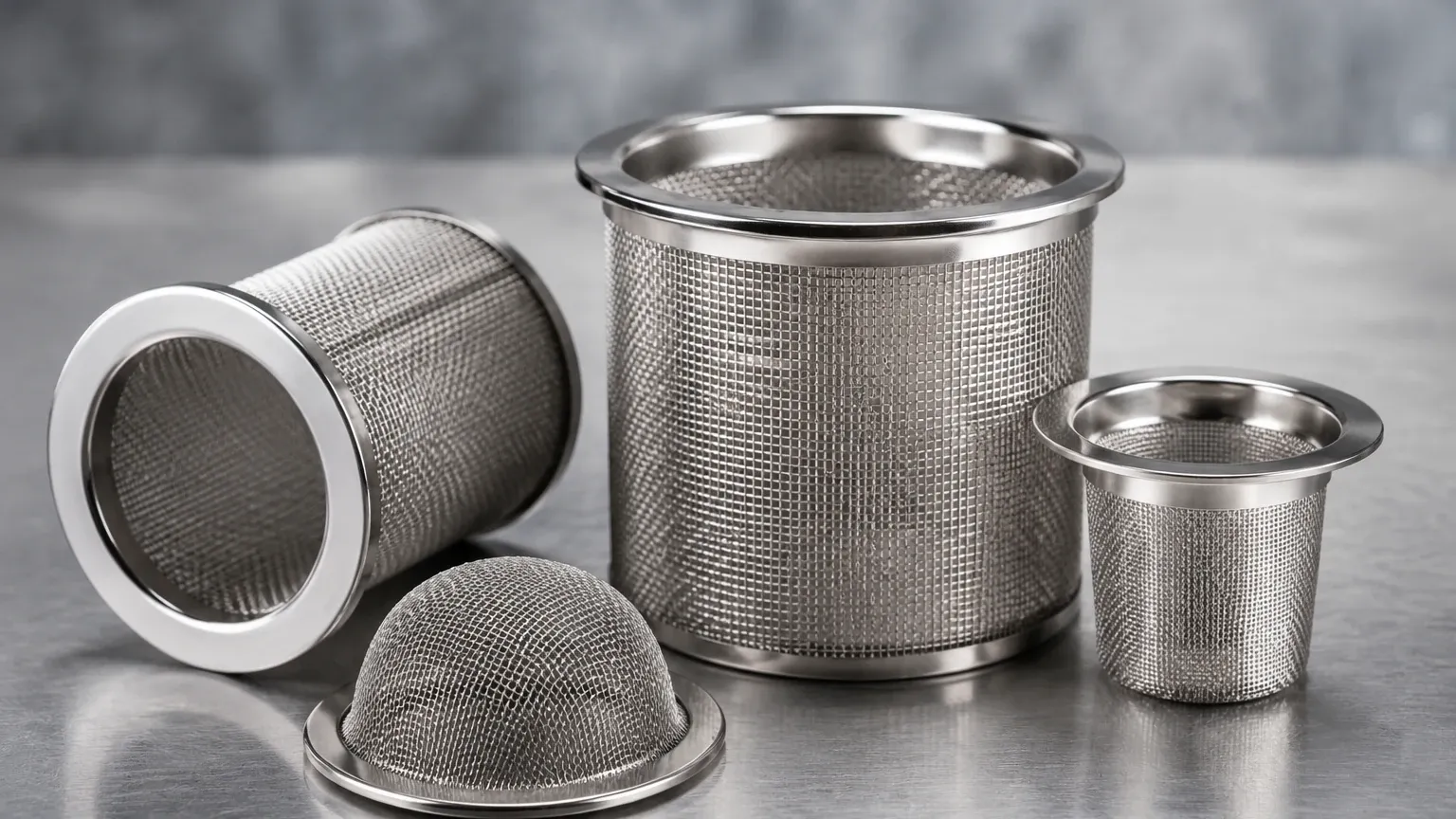
Industrial filtration components, such as Strainers & Baskets, serve as the primary defense mechanism against coarse contaminants that can cause catastrophic pump failure or valve stiction. When sourcing or specifying a strainer for XCMG equipment, it is not merely about fitment; it is about the engineering integrity of the mesh, the structural support of the basket, and the compatibility of the materials with modern hydraulic fluids and fuels.
The Critical Role of Strainers in Heavy Machinery
Heavy equipment operates in environments saturated with dust, debris, and moisture. In a hydraulic circuit, the pump is the most expensive and sensitive component. A strainer xcmg, usually located on the suction side of the hydraulic pump within the reservoir, prevents large particles from entering the pump’s intake.
Unlike fine-micron pressure filters that capture microscopic silt, a suction strainer is designed to catch larger debris like metal shavings, scale, and pieces of seals. If these particles reach the pump, they can cause scoring of the cylinders, damage to the vanes, or complete seizure. Furthermore, the strainer must be engineered to handle high flow rates with minimal pressure drop. If a strainer is too restrictive or becomes prematurely clogged, it can lead to pump cavitation—a phenomenon where vacuum bubbles form and collapse, causing rapid erosion of metal surfaces and eventual system failure.
Technical Specifications and Material Selection
When evaluating a strainer for industrial applications, material selection is the foundation of performance. While some standard strainers use nylon or galvanized steel, high-performance applications often demand stainless steel wire mesh. Stainless steel offers superior corrosion resistance and mechanical strength, which is vital when dealing with varying fluid temperatures and chemical additives in hydraulic oils.
Mesh Count and Filtration Precision
The "micron rating" or mesh count is the most critical technical specification. For suction strainers in heavy machinery, the goal is to balance filtration efficiency with flow capacity. Common specifications include:
* 100 Mesh (approx. 140-150 microns): Standard for suction lines, providing a balance between protection and low resistance.
* 60 to 80 Mesh: Used in higher viscosity fluid applications or where high flow rates are the priority.
* Fine Mesh (200+): Occasionally used in secondary straining or specialized fuel systems where finer particulate control is required before the fluid reaches the primary filter.
Structural Integrity
A strainer xcmg must withstand the structural stresses of fluid suction. This requires a robust internal support structure, often a perforated metal core, which prevents the wire mesh from collapsing under the pressure differential. In custom manufacturing, the thickness of this core and the welding technique used (such as resistance welding or TIG welding) determine the "collapse pressure" rating of the component.
Types of Strainers in Industrial Equipment
While the hydraulic suction strainer is the most prominent, several types of Strainers & Baskets are utilized across the various systems of a construction machine:
1. Hydraulic Suction Strainers: These are typically cylindrical and submerged in the hydraulic tank. They often feature a bypass valve that opens if the strainer becomes completely blocked, ensuring the pump is never starved of oil, even if the oil is contaminated.
2. Fuel Tank Strainers: Located at the fill neck or the outlet of the fuel tank, these prevent large debris from entering the fuel lines, protecting the lift pump and the primary fuel filters.
3. Pilot Line Strainers: Smaller, high-precision strainers used in the pilot control circuits to ensure that the sensitive joysticks and control valves receive clean oil.
4. Cooling System Strainers: Used in some configurations to prevent scale or radiator debris from clogging the narrow passages of heat exchangers.
Engineering Considerations for Replacement and OEM Customization
For procurement teams and engineers, selecting a replacement strainer xcmg involves more than matching a part number. When OEM parts are unavailable or when an application requires enhanced durability, custom-engineered solutions become necessary.
Compatibility with Fluids
Modern hydraulic systems may use synthetic oils, biodegradable fluids, or high-water-base fluids. The seals and adhesives used in the construction of the strainer must be chemically compatible with these fluids. Stainless steel 304 or 316 is generally the standard for the mesh and end caps to ensure universal compatibility and prevent rust-related contamination.
Flow Rate and Pressure Drop (Delta P)
Every strainer introduces a degree of resistance to the flow. In a suction line, this resistance must be kept extremely low. Engineers must calculate the "clean pressure drop" to ensure it does not exceed the pump's inlet vacuum limits (typically 2-3 inHg). A well-designed strainer xcmg utilizes a pleated mesh design to increase the surface area, which simultaneously lowers the pressure drop and extends the service life by providing more room for contaminant loading.
Connection Types
Standardization of connections is vital for ease of maintenance. Common interfaces include:
* NPT/BSPT Threaded: For direct mounting to pipework.
* SAE Flanged: For high-flow applications where a secure, leak-proof seal is required.
* Slip-fit with O-rings: Often seen in reservoir-mounted suction strainers for quick installation and removal.
Maintenance and Performance Monitoring
A strainer is a "passive" component, but its condition dictates the health of the "active" components. Unlike spin-on filters, many industrial Strainers & Baskets are designed to be cleaned and reused, especially those constructed from high-quality stainless steel mesh.
When to Clean or Replace
Maintenance intervals for a strainer xcmg are usually dictated by the machine's service manual, but environmental factors can accelerate clogging. Signs that a strainer requires attention include:
* Increased Pump Noise: Often indicating cavitation due to suction restriction.
* Erratic Hydraulic Function: Slow response times or "spongy" controls.
* Fluid Analysis Results: High levels of large metallic particles in the oil.
When cleaning a stainless steel strainer, it is recommended to use a non-corrosive solvent and compressed air (blown from the inside out) to dislodge trapped particles. However, if the mesh shows signs of fraying, corrosion, or deformation, the unit must be replaced immediately to prevent the mesh itself from becoming a source of contamination.
The Value of High-Quality Filtration Manufacturing
Choosing a manufacturer that specializes in custom stainless steel filtration provides several advantages for industrial operators. Standard off-the-shelf strainers may use lower-grade adhesives or thinner mesh that can fail under the vibration and thermal cycling common in XCMG equipment.
Professional manufacturers focus on:
* Precision Weaving: Ensuring uniform pore size across the entire mesh surface for consistent filtration.
* Robust End-Cap Bonding: Using high-strength epoxy or specialized welding to ensure no bypass occurs at the joints.
* Customization: The ability to modify dimensions or mesh types to solve specific field problems, such as premature clogging in high-debris environments.
In many B2B scenarios, the total cost of ownership is the primary metric. While a high-quality stainless steel strainer xcmg may have a higher initial purchase price than a generic alternative, its durability, cleanability, and superior protection of expensive hydraulic pumps result in a significantly lower total cost over the machine's lifecycle.
Conclusion: Ensuring Operational Continuity
For the technical professional, the strainer is more than a simple mesh screen; it is a precisely engineered component that balances fluid dynamics with mechanical protection. Whether you are maintaining a fleet of XCMG excavators or designing a new hydraulic power unit, the selection of Strainers & Baskets should be approached with a focus on material quality, flow characteristics, and structural reliability.
By confirming the specific micron requirements, fluid compatibility, and mounting configurations, engineers can ensure that their equipment remains protected against the rigors of industrial work. Investing in high-performance filtration components is an investment in the uptime and efficiency of the entire operation, preventing the costly consequences of system contamination and pump failure.
