


V Strainer
In industrial fluid handling, the efficiency of a piping system often depends on the reliability of its protection components. The V strainer, a specialized configuration within the broader category of industrial filtration, plays a critical role in removing unwanted solids from liquid and gas streams. For engineers and procurement teams, understanding the technical nuances of these components is essential for maintaining system integrity, preventing downstream equipment damage, and optimizing flow dynamics. As industrial processes become more complex, the selection of high-performance Strainers & Baskets becomes a primary engineering consideration rather than a secondary maintenance task.
Understanding the Role of V Strainers in Industrial Piping Systems
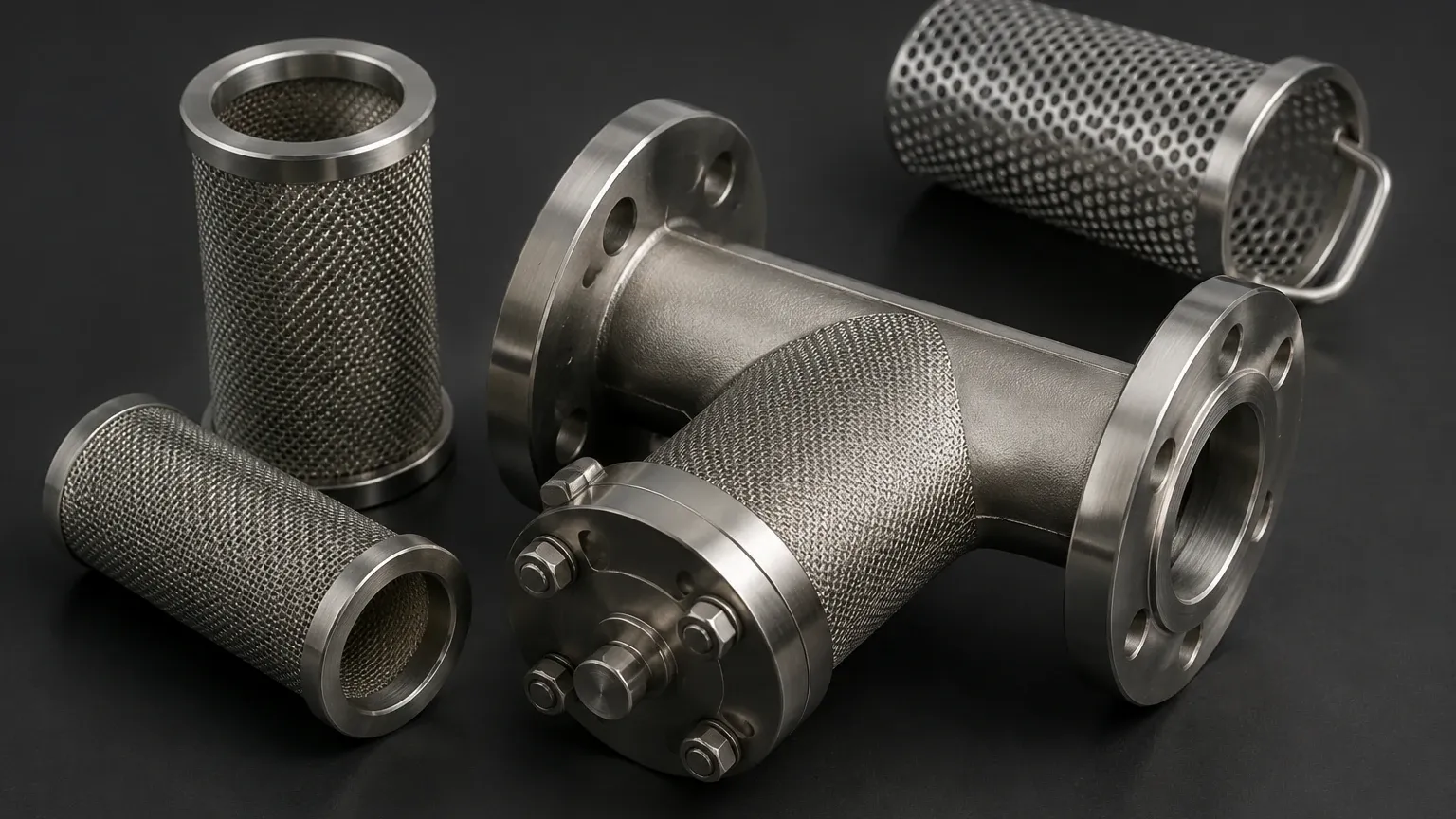
A v strainer is designed to serve as a mechanical barrier, capturing debris such as scale, rust, and jointing compound that could otherwise damage sensitive equipment like pumps, valves, and flow meters. The "V" designation often refers to the specific geometry of the internal screen or the overall housing configuration, such as V-port designs or wedge-wire profiles that facilitate efficient particle separation.
Unlike standard filters designed for fine micron-level filtration, strainers are typically used for coarser separation tasks, often acting as a first line of defense. However, the engineering behind a v strainer involves sophisticated fluid dynamics. The goal is to maximize the surface area of the filtration medium while minimizing the resistance to flow. In high-velocity systems, the V-shaped configuration helps distribute the incoming fluid pressure across the screen more evenly, reducing the risk of localized clogging and extending the operational window between cleaning cycles.
In the context of industrial manufacturing, these components are indispensable in sectors such as chemical processing, water treatment, and power generation. By ensuring that only clean fluid reaches the core machinery, a v strainer helps maintain the design specifications of the entire system, preventing unplanned downtime and costly repairs.
Key Engineering Specifications and Material Selection
When specifying a v strainer for industrial use, material selection is the most critical factor influencing longevity and performance. Stainless steel is the industry standard due to its exceptional resistance to corrosion, high temperatures, and mechanical stress. Most high-quality strainers are manufactured using Grade 304 or Grade 316 stainless steel.
* Grade 304 Stainless Steel: Suitable for general-purpose applications where moisture and mild chemicals are present. It offers excellent structural strength and cost-effectiveness for water treatment and standard industrial cooling systems.
* Grade 316 Stainless Steel: Contains molybdenum, which provides superior resistance to chlorides and acidic environments. This is the preferred choice for pharmaceutical, food and beverage, and marine applications where chemical compatibility is a primary concern.
Beyond the housing material, the internal filtration element—the basket or screen—must be engineered to withstand the differential pressure of the system. In many v strainer designs, manufacturers utilize wedge wire or precision-woven wire mesh. Wedge wire is particularly valued for its non-clogging characteristics and high mechanical strength, making it ideal for heavy-duty industrial applications. The V-shaped profile of the wedge wire creates a slot that widens inwardly, allowing particles that pass the initial gap to flow through without getting wedged, which significantly simplifies the cleaning process.
Performance Evaluation: Flow Capacity and Pressure Drop
For an engineer, the most important performance metric of a v strainer is the pressure drop (ΔP). Every component added to a piping system introduces resistance, and an improperly selected strainer can lead to significant energy losses or even pump cavitation.
The pressure drop is influenced by several factors:
1. Open Area Ratio: This is the ratio of the total area of the holes in the screen to the cross-sectional area of the inlet pipe. A high-performance v strainer typically offers an open area ratio of 4:1 or higher, ensuring that even as the screen begins to capture debris, the flow remains relatively unimpeded.
2. Fluid Viscosity: Thicker fluids require larger mesh openings or larger housing sizes to maintain the desired flow rate without excessive pressure loss.
3. Particle Loading: The anticipated amount of debris in the fluid stream dictates the required holding capacity of the strainer basket.
By analyzing the Flow Coefficient (Cv), engineers can predict the pressure drop at specific flow rates. A well-designed v strainer minimizes turbulence at the inlet and outlet, allowing for a more laminar flow profile through the filtration medium. This efficiency is vital in hydraulic systems and chemical dosing lines where precise pressure control is mandatory.
Customization Options for Demanding Applications
Standard off-the-shelf filtration products often fail to meet the specific requirements of specialized industrial processes. This is where OEM and customized filtration solutions become necessary. A v strainer can be tailored in several dimensions to fit unique operational constraints.
* Filtration Accuracy: Depending on the application, the mesh size can range from coarse perforated metal (several millimeters) to fine wire mesh (down to 20 microns). Customizing the micron rating ensures that the strainer captures the target particle size without over-restricting the flow.
* Connection Types: While flanged connections are standard for high-pressure systems, threaded, socket weld, or sanitary tri-clamp connections may be required for pharmaceutical or food-grade environments.
* Housing Geometry: In some installations, space is at a premium. Custom-designed v strainers can be engineered with offset inlets or compact housings to fit into existing piping layouts without requiring extensive modifications.
* Reinforcement: For high-pressure applications, the internal basket may require a perforated metal backup to prevent the fine wire mesh from collapsing under the force of the fluid.
Working with a manufacturer that understands these variables allows for the development of Strainers & Baskets that are perfectly matched to the system’s hydraulic profile and chemical environment.
Maintenance and Operational Life Cycle
The total cost of ownership (TCO) of a v strainer is determined not just by the initial purchase price, but by the ease of maintenance and the durability of the components. A strainer that is difficult to clean will lead to longer maintenance windows and higher labor costs.
Effective maintenance of a v strainer involves regular monitoring of the differential pressure. Many industrial systems install pressure gauges upstream and downstream of the strainer. When the pressure difference exceeds a predetermined threshold, it indicates that the basket is full and requires cleaning.
In a v strainer configuration, the removal of the basket should be straightforward. Quick-release covers or bolted flanges allow maintenance teams to access the internal element, rinse away accumulated solids, and inspect the mesh for signs of wear or corrosion. Because stainless steel is highly durable, these baskets can often be cleaned and reused hundreds of times, provided they are not subjected to mechanical abuse or incompatible chemicals.
Failure to maintain the strainer can lead to "blow-by," where the pressure builds up to the point that the screen ruptures, allowing all the captured debris to rush downstream into sensitive machinery. Regular inspection of the seals and gaskets is also necessary to prevent external leaks, especially in systems handling hazardous or expensive fluids.
Technical Considerations for Engineers and Purchasing Teams
Before finalizing a purchase for industrial filtration components, several technical questions should be addressed to ensure the selected v strainer is fit for purpose. Engineers should confirm the following:
1. What is the maximum operating pressure and temperature? Ensure the housing and gaskets are rated for the system's peak conditions, including potential surges.
2. What is the specific gravity and viscosity of the fluid? This affects the sizing of the strainer and the choice of mesh.
3. Are there specific regulatory requirements? Applications in the food, beverage, or pharmaceutical industries may require 3-A Sanitary Standards or FDA-compliant materials.
4. What is the nature of the solids being removed? Are they abrasive, fibrous, or sludge-like? This influences whether a standard mesh or a heavy-duty wedge wire screen is appropriate.
By focusing on these factual boundaries, procurement teams can avoid the common pitfall of selecting a strainer based solely on pipe size, which often leads to sub-optimal performance. Instead, a holistic view of the filtration requirement—considering flow, material, and maintenance—results in a more robust and cost-effective installation.
Selecting the Right Solution for Your Filtration Requirements
The integration of a high-quality v strainer into an industrial process is a strategic investment in equipment longevity. Whether protecting a high-pressure hydraulic pump or ensuring the purity of a chemical batch, the performance of the strainer is a bottleneck for the entire system's efficiency.
Specialized manufacturers like Kaifil provide the engineering expertise required to navigate these choices, offering customized stainless steel solutions that meet the rigorous demands of modern industry. By prioritizing precision manufacturing and material integrity, these filtration components provide the reliability needed for continuous operation in challenging environments. When evaluating your next project, consider how the specific design of your Strainers & Baskets will impact your long-term operational goals, and choose a partner capable of delivering the exact technical specifications your application requires.
