


Metal Mesh Ac Filter
In industrial HVAC and process cooling systems, the selection of filtration media directly impacts equipment longevity, energy efficiency, and maintenance overhead. While disposable synthetic filters are common in commercial settings, demanding industrial environments often require the durability and performance of a metal mesh ac filter. These components are engineered to withstand high temperatures, corrosive vapors, and high-velocity airflow that would compromise standard media.
This guide provides a technical overview of metal mesh filtration technology, focusing on the engineering specifications, material selection, and structural configurations—such as Wire Mesh Filter Cylinders & Tubes—necessary for optimized industrial air handling.
Understanding the Metal Mesh AC Filter in Industrial Environments
A metal mesh ac filter serves as a permanent or semi-permanent filtration solution designed to capture large particulate matter, grease, and moisture droplets from air streams. Unlike fiberglass or pleated paper filters, metal mesh variants rely on a multi-layered approach to provide depth filtration.
In industrial applications, these filters are frequently utilized as pre-filters to protect high-efficiency particulate air (HEPA) filters or as primary filters in harsh environments. Their primary function is to provide a low-resistance barrier that can be cleaned and reused, significantly reducing the total cost of ownership (TCO) compared to consumable alternatives. The mechanical strength of the metal allows the filter to maintain its structural integrity under the high static pressures common in industrial blowers and air conditioning units.
Key Engineering Specifications for Wire Mesh Filter Cylinders & Tubes
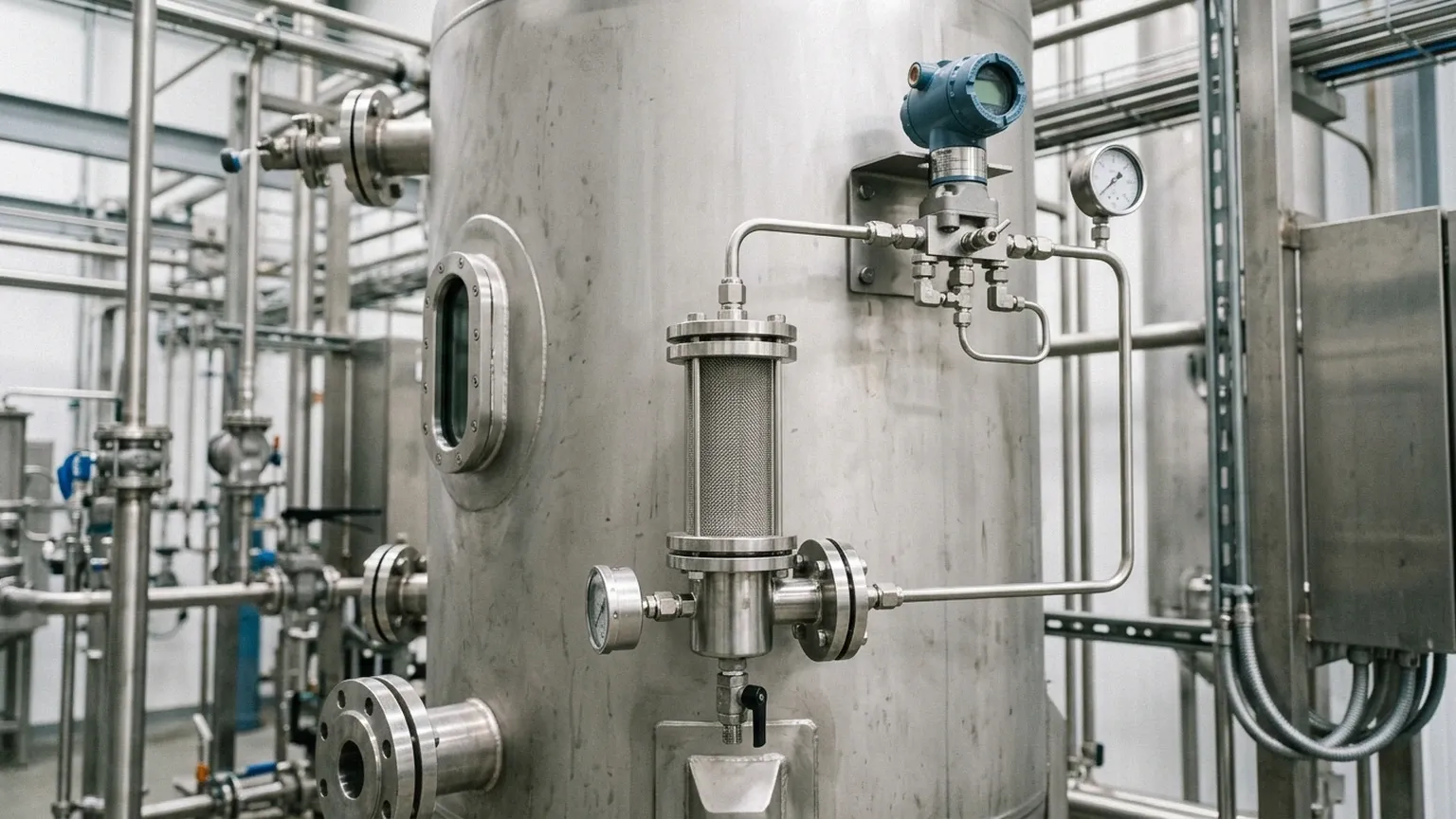
When specifying filtration components for complex machinery or specialized AC systems, engineers often move beyond flat panels to more complex geometries. Wire Mesh Filter Cylinders & Tubes are critical in applications where radial airflow is required or where the filter must be integrated into a pressurized housing.
Mesh Count and Wire Diameter
The performance of these cylinders is defined by the mesh count (the number of openings per linear inch) and the wire diameter. A higher mesh count provides finer filtration but increases the initial pressure drop. Engineers must balance the micron rating—the size of the smallest particle the mesh can reliably trap—with the required flow rate of the AC system.
Weave Types
The method of weaving the wire significantly alters the filter's characteristics:
* Plain Weave: The most common type, offering high flow rates and easy cleaning.
* Twill Weave: Allows for heavier wires in a fine mesh, increasing durability for high-pressure applications.
* Dutch Weave: Provides a denser structure with higher filtration accuracy, often used in liquid-gas separation within industrial cooling circuits.
Structural Support
Because industrial airflows can be turbulent, wire mesh tubes often incorporate a perforated metal core or an external cage. This reinforcement prevents the mesh from collapsing or deforming under the force of the air, ensuring a consistent seal within the filter housing.
Material Selection: Balancing Corrosion Resistance and Cost
The choice of alloy for a metal mesh ac filter is dictated by the chemical composition of the air stream and the operating temperature. Selecting the wrong material can lead to premature oxidation or galvanic corrosion, which can contaminate the downstream air.
1. Stainless Steel (304 and 316L): The industry standard for demanding applications. Grade 304 offers excellent strength and basic corrosion resistance, while 316L contains molybdenum, making it essential for environments exposed to chlorides, salt air, or acidic chemical vapors.
2. Aluminum: Preferred for lightweight applications and where high thermal conductivity is beneficial. Aluminum filters are naturally resistant to atmospheric corrosion but are less suitable for high-alkaline or high-temperature environments compared to steel.
3. Galvanized Steel: A cost-effective option for general-purpose industrial AC units where moisture levels are controlled and chemical exposure is minimal.
4. Specialty Alloys: In extreme cases, such as pharmaceutical or aerospace processing, Monel or Inconel may be specified for their exceptional resistance to extreme heat and aggressive chemical agents.
Evaluating Filtration Efficiency and Airflow Resistance
In B2B procurement, the "efficiency" of a metal mesh ac filter must be quantified through standardized metrics. Unlike synthetic media, which may rely on electrostatic charges, metal mesh filters primarily use mechanical straining, impingement, and interception.
Pressure Drop (ΔP)
The initial pressure drop is the resistance the filter offers to the airflow when clean. A well-engineered wire mesh filter should provide a low ΔP to minimize the load on the AC motor. If the pressure drop is too high, the system will consume more energy and may fail to provide adequate cooling or ventilation to the facility.
Dust Holding Capacity (DHC)
This refers to the amount of contaminant the filter can retain before reaching its final pressure drop (the point at which it must be cleaned). Multi-layered mesh designs, where the density of the mesh increases from the inlet to the outlet side, optimize DHC by distributing particles throughout the depth of the filter rather than just on the surface.
Face Velocity
Industrial filters are rated for specific face velocities, typically measured in feet per minute (FPM) or meters per second (m/s). Exceeding the rated face velocity can cause "blow-through," where particles are forced through the mesh, or can lead to structural vibration and noise.
Structural Design and Customization for Specialized HVAC Systems
Standard off-the-shelf filters rarely meet the specific needs of custom industrial equipment. This is where OEM capabilities become vital. Customization of Wire Mesh Filter Cylinders & Tubes allows for seamless integration into existing hardware without the need for bypass-prone adapters.
End Cap Configurations
Custom end caps—whether threaded, flanged, or fitted with O-ring grooves—ensure a bypass-free installation. In AC systems, air bypass is a significant failure mode, as even a small gap allows unfiltered air to reach sensitive cooling coils or cleanroom environments.
Pleating for Increased Surface Area
To reduce pressure drop and extend cleaning intervals, wire mesh can be pleated. Pleating significantly increases the effective filtration area within the same footprint, which is particularly useful in compact industrial AC units where space is at a premium.
Joining Technologies
High-quality industrial filters utilize TIG (Tungsten Inert Gas) welding or plasma welding rather than adhesives. Welded seams ensure that the filter can withstand thermal cycling and high-pressure cleaning without the risk of structural failure or outgassing from glues.
Maintenance Protocols and Sustainability in Industrial Filtration
One of the primary drivers for selecting a metal mesh ac filter is sustainability. By eliminating the waste stream associated with disposable filters, facilities can align with environmental mandates and reduce long-term operational costs.
Cleaning Procedures
Effective maintenance is critical to maintaining the performance of metal filters. Depending on the contaminant, cleaning methods include:
* Ultrasonic Cleaning: The most effective method for removing fine particulates lodged deep within the mesh layers.
* Pressure Washing: Suitable for removing grease or large dust particles from the surface.
* Chemical Soaking: Used when the filter is exposed to resins, oils, or specialized industrial byproducts that require solvent-based removal.
Monitoring Performance
Industrial AC systems should be equipped with differential pressure gauges (manometers). By monitoring the ΔP across the filter, maintenance teams can establish data-driven cleaning schedules rather than relying on arbitrary calendar dates. This ensures the filter is cleaned only when necessary, preventing unnecessary downtime while protecting the HVAC system's efficiency.
Procurement Guide: What Engineers Should Confirm Before Ordering
When sourcing metal mesh filters from a manufacturer, international buyers and engineers should provide a detailed specification sheet to ensure the component meets the application's rigors. Before finalizing a purchase, confirm the following:
* Micron Rating vs. Airflow Requirements: Ensure the filtration fineness does not restrict the AC system's required CFM (Cubic Feet per Minute).
* Environmental Compatibility: Verify that the alloy (e.g., 304 vs. 316L) is appropriate for the local atmosphere and any process chemicals present.
* Dimensional Tolerances: For Wire Mesh Filter Cylinders & Tubes, precise outer and inner diameters are essential for a proper fit within the housing.
* Certification Standards: Depending on the industry, filters may need to comply with specific standards such as ISO 9001 for manufacturing quality or specific FDA/3A standards for food and beverage applications.
* Total Life Cycle Cost: Evaluate the initial investment against the expected lifespan and the savings generated by avoiding disposable filter purchases and disposal fees.
Conclusion
The transition to metal mesh ac filters in industrial settings is a strategic decision that balances durability, performance, and environmental responsibility. Whether utilizing flat panels for standard air handling or specialized Wire Mesh Filter Cylinders & Tubes for complex process cooling, understanding the technical nuances of mesh weave, material properties, and structural integrity is paramount. By selecting a precision-engineered filtration solution, industrial facilities can ensure consistent air quality, protect expensive downstream equipment, and optimize their overall energy consumption.
