


Metal Mesh Filter Cleaner: An Engineering Guide to Maintaining Industrial Filtration Efficiency
In high-performance industrial environments, the longevity and reliability of filtration components are critical to operational uptime and product quality. Stainless steel filtration media, specifically Wire Mesh Filter Cylinders & Tubes, are favored for their mechanical strength, thermal resistance, and reusability. However, the ability to reuse these components depends entirely on the effectiveness of the cleaning process. Selecting the correct metal mesh filter cleaner—whether a chemical agent, a mechanical system, or a specialized ultrasonic process—requires a deep understanding of the contaminant characteristics, the mesh geometry, and the metallurgical properties of the filter itself.
For engineers and procurement professionals, the goal is to restore the filter to its original differential pressure (ΔP) without compromising the structural integrity of the wire mesh. This guide explores the technical parameters of filter cleaning, the selection of cleaning methods, and the engineering considerations necessary to optimize the lifecycle of industrial metal filters.
Understanding the Lifecycle of Wire Mesh Filter Cylinders & Tubes
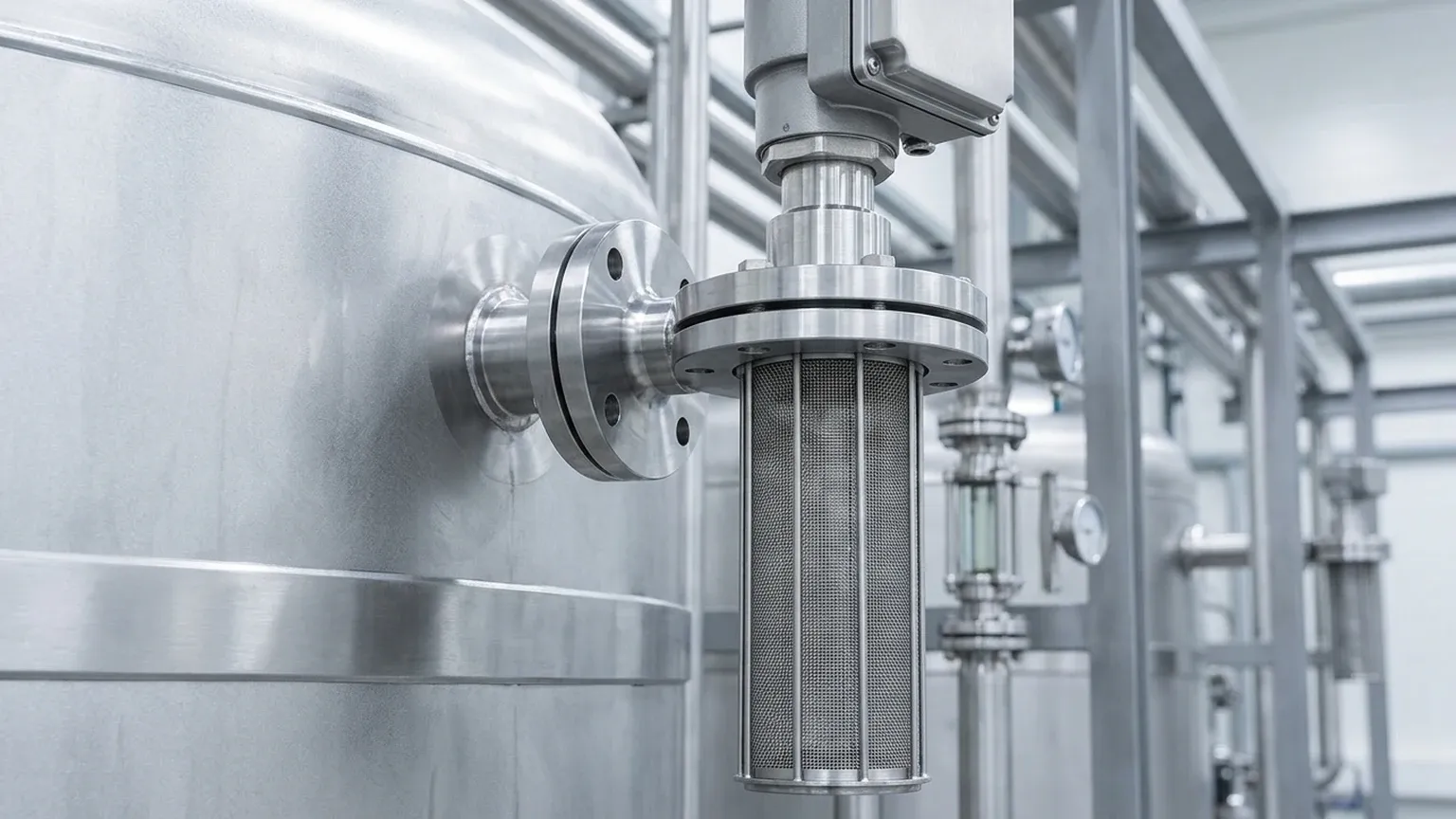
Industrial filtration often involves harsh conditions where polymer, oil, or chemical residues can become deeply embedded within the layers of a filter. Wire Mesh Filter Cylinders & Tubes are designed to withstand these environments, often constructed from 304 or 316L stainless steel. Unlike disposable synthetic filters, these metal components represent a significant capital investment, making a robust cleaning strategy essential for a favorable Total Cost of Ownership (TCO).
The lifecycle of a metal filter is defined by its ability to undergo repeated cleaning cycles while maintaining its micron rating. Over time, improper cleaning can lead to "permanent fouling" or mechanical fatigue. If a metal mesh filter cleaner is too aggressive, it may cause intergranular corrosion; if it is too weak, residual contaminants will bake into the mesh during subsequent high-temperature processing, eventually leading to the complete blockage of the pore structure.
Mechanisms of Contamination in Industrial Metal Mesh
Before selecting a cleaning methodology, it is necessary to categorize the type of fouling present on the filter surface and within the depth of the mesh. Contaminants generally fall into three categories:
1. Particulate Matter: Hard solids, metal shavings, or catalysts that are physically trapped in the mesh openings. These are typically removed via mechanical agitation or backwashing.
2. Organic Deposits: Polymers, resins, oils, and greases that adhere to the wire surfaces. These often require chemical dissolution or thermal degradation.
3. Inorganic Scales: Calcium deposits, rust, or mineral salts that form a hard crust over the filtration media. These usually require specialized acidic metal mesh filter cleaner solutions.
In complex applications, such as chemical processing or hydraulic systems, a combination of these contaminants may be present. The cleaning process must therefore be sequenced to address each layer of fouling without damaging the delicate wire intersections of the mesh.
Selecting a Metal Mesh Filter Cleaner: Chemical and Mechanical Approaches
The term "metal mesh filter cleaner" encompasses both the chemical formulations used to dissolve contaminants and the equipment used to apply those chemicals. The selection depends on the complexity of the filter design—such as whether it is a single-layer mesh or a multi-layer sintered structure.
Chemical Cleaning Agents
Chemical cleaning is often the first line of defense. Alkaline cleaners are effective for removing organic fats and oils, while acidic solutions are used for de-scaling. However, engineers must verify the compatibility of the cleaner with the filter's alloy. For instance, while 316L stainless steel has excellent corrosion resistance, exposure to high concentrations of chlorides can lead to pitting. Solvents are frequently used for polymer removal, but they require specialized handling and disposal protocols.
Ultrasonic Cleaning
Ultrasonic cleaning is widely considered the most effective method for precision Wire Mesh Filter Cylinders & Tubes. This process uses high-frequency sound waves to create cavitation bubbles in a liquid cleaning medium. When these bubbles implode, they release energy that dislodges particles from deep within the mesh pores that manual scrubbing or backwashing cannot reach. The frequency of the ultrasonic system (typically between 20 kHz and 40 kHz) must be calibrated to ensure the energy is sufficient to clean but not so intense that it causes fatigue cracks in the fine wires.
Thermal Cleaning (Burn-off)
For filters used in plastic extrusion or polymer processing, thermal cleaning is often required. The filters are placed in a vacuum pyrolysis oven or a fluidized bed to carbonize organic residues. Following the thermal cycle, the remaining ash must be removed using an ultrasonic bath or high-pressure water jet.
Engineering Considerations for Reusable Filtration Systems
When integrating a cleaning regimen into an industrial workflow, several engineering factors must be evaluated to ensure the process is both safe and effective.
Pressure Differential and Flux Recovery
The primary metric for a successful cleaning cycle is the restoration of the clean pressure drop. If a filter is returned to service with a higher-than-baseline ΔP, it indicates that the metal mesh filter cleaner or method was insufficient. Engineers should track the ΔP after every cleaning cycle; a consistent upward trend suggests that the filter is reaching the end of its functional life.
Structural Integrity and Mesh Geometry
Wire mesh is held together by weaves or sinter bonds. Aggressive mechanical cleaning, such as excessive high-pressure spraying, can shift the wires, enlarging the pore size and allowing bypass. Conversely, if the cleaning is too passive, the accumulation of "dead zones" in the mesh can lead to localized high-velocity flow, which accelerates erosion.
Material Compatibility
It is vital to ensure that the cleaning agents do not strip the passive oxide layer from the stainless steel. If the passive layer is compromised, the filter becomes susceptible to rapid corrosion once it is re-introduced to the process stream. Many professional cleaning protocols include a passivation step—treating the mesh with nitric or citric acid—to restore the protective oxide film.
Impact of Cleaning Cycles on Filtration Efficiency
Every time a metal filter is cleaned, there is a theoretical risk of altering its performance. For high-precision applications, such as pharmaceutical or aerospace filtration, the filtration efficiency must be verified post-cleaning.
1. Bubble Point Testing: This is a non-destructive test used to verify the integrity of the filter and ensure no pores have been enlarged during the cleaning process.
2. Weight Verification: Comparing the weight of the filter before and after cleaning against its original "new" weight can help determine if residual contaminants remain trapped in the internal layers.
3. Microscopic Inspection: Periodic inspection under magnification can reveal signs of wire thinning, pitting, or mechanical deformation caused by the cleaning process.
By implementing these quality control measures, facilities can maximize the number of cycles for their Wire Mesh Filter Cylinders & Tubes, significantly reducing the frequency of replacement purchases.
Procurement Checklist for International Buyers
When sourcing metal mesh filter cleaner systems or replacement filter components, international buyers should confirm several technical specifications to ensure compatibility and performance:
* Alloy Certification: Ensure the filter material (e.g., SS316L) is verified to withstand the specific chemical cleaners used in your facility.
* Cleaning Compatibility: Ask the manufacturer for recommended cleaning protocols. A reputable supplier like Kaifil provides guidance on the temperature and chemical limits for their products.
* Micron Rating Retention: Confirm that the mesh structure is designed to maintain its rating through a specified number of ultrasonic or thermal cleaning cycles.
* End-Cap Bonding: For filter cylinders, check if the end caps are welded or bonded. Welded end caps are generally more resistant to the high temperatures and chemicals used in industrial cleaning processes.
Conclusion: Optimizing Filtration Performance
The effective maintenance of industrial filtration systems relies on a synergy between high-quality hardware and a scientifically sound cleaning strategy. Wire Mesh Filter Cylinders & Tubes offer the durability required for demanding B2B applications, but their value is only fully realized when paired with the correct metal mesh filter cleaner and cleaning methodology.
By understanding the nature of the contaminants and the limitations of the filter media, engineers can develop a maintenance schedule that ensures consistent flow rates, protects downstream equipment, and minimizes waste. Whether utilizing ultrasonic technology or specialized chemical baths, the goal remains the same: achieving a clean, reliable, and cost-effective filtration process that stands up to the rigors of modern industry.
