


Engineering Guide to Stainless Steel Mesh Filter Baskets in Industrial Filtration
In industrial fluid processing, the protection of downstream equipment—such as pumps, valves, and heat exchangers—is a critical operational requirement. The stainless steel mesh filter basket serves as a primary mechanical barrier, designed to remove oversized particles and contaminants from liquid and gas streams. Unlike disposable filter media, these components are engineered for durability, cleanability, and long-term integration into pressurized systems.
Selecting the correct filtration component requires a deep understanding of fluid dynamics, material compatibility, and mechanical stress. This guide examines the technical specifications of basket-style filters, their relationship to Wire Mesh Filter Cylinders & Tubes, and the engineering variables that international procurement teams must evaluate to ensure system reliability.
1. Operating Principles and Structural Design
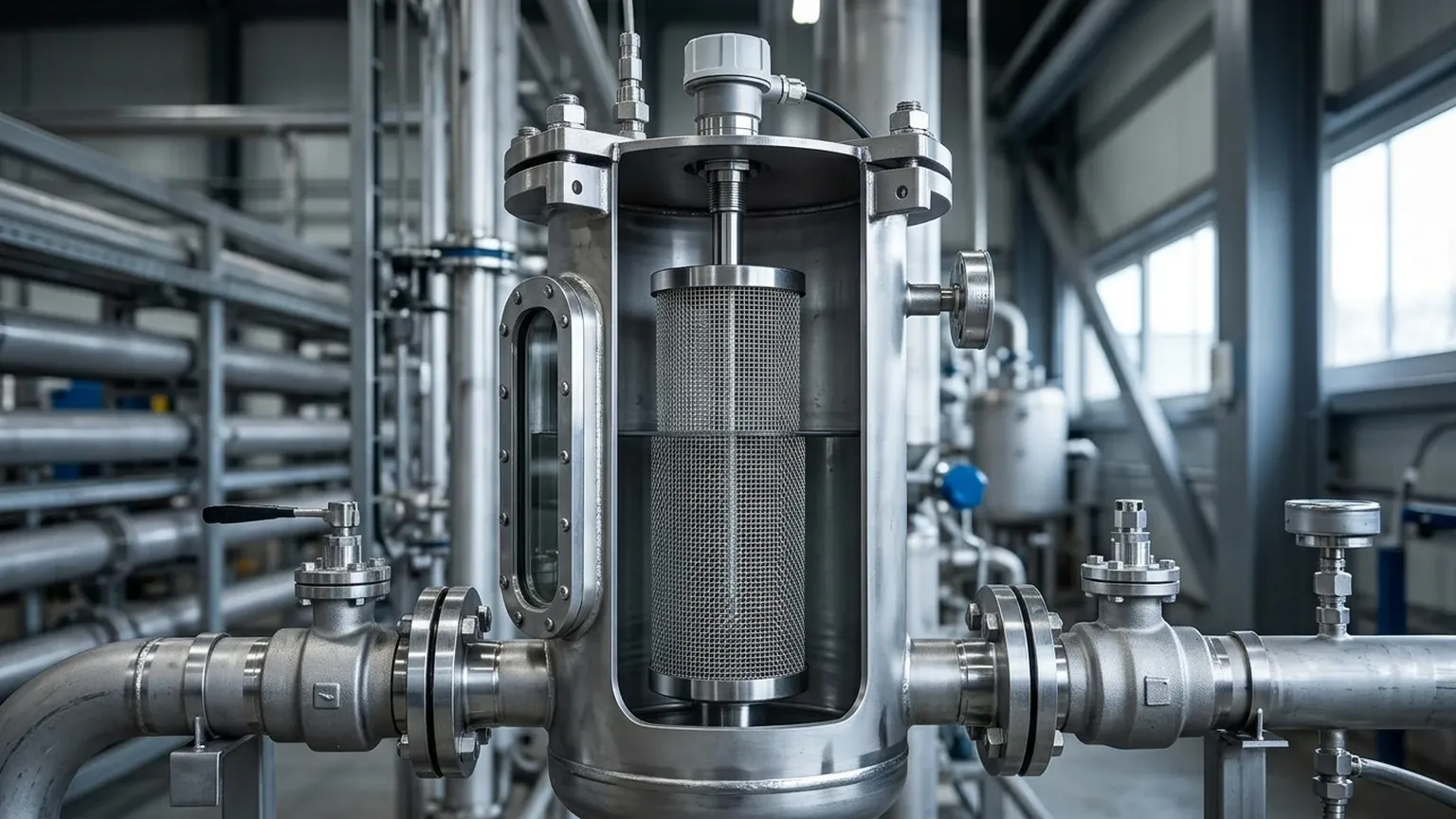
A stainless steel mesh filter basket typically operates within a strainer housing. Fluid enters the top or side of the basket, passes through the mesh media from the inside out (or outside in, depending on the housing design), and exits through the discharge port. The mesh captures solids while the filtered fluid continues through the system.
The Role of Geometry
The efficiency of a filter basket is largely determined by its surface area and the structural integrity of its frame. While standard Wire Mesh Filter Cylinders & Tubes provide the core filtration surface, a "basket" configuration often includes a reinforced top flange, a lifting handle, and a solid or perforated bottom. This design allows for easy removal and cleaning without the need for specialized tools.
Flow Direction and Particle Retention
In most industrial applications, the flow is "inside-to-out." This ensures that debris is collected within the basket, making it easy to remove the contaminants during a maintenance cycle. If the flow were reversed, the debris would accumulate on the outside of the basket, potentially falling back into the housing during removal and contaminating the clean side of the system.
2. Material Selection and Chemical Compatibility
The choice of alloy is the most significant factor in the longevity of a filter basket. Industrial environments often involve aggressive chemicals, high temperatures, or high-pressure steam cleaning.
* Stainless Steel 304: The standard choice for general industrial applications, including water treatment and food processing where corrosion risks are moderate.
* Stainless Steel 316L: Preferred for pharmaceutical and chemical processing. The addition of molybdenum provides superior resistance to pitting and crevice corrosion, particularly in environments containing chlorides.
* Specialty Alloys: For extreme conditions involving high-concentration acids or high-temperature oxidation, alloys such as Monel, Hastelloy, or Inconel may be utilized in the mesh construction.
Engineers must also consider the gasket or seal material used at the basket flange. Common options include EPDM, Viton (FKM), and PTFE, each selected based on the temperature and chemical nature of the process fluid.
3. Technical Specifications: Mesh and Micron Ratings
The filtration performance of a stainless steel mesh filter basket is defined by its mesh count and micron rating. Understanding the difference between nominal and absolute filtration is essential for meeting process requirements.
Weave Types
1. Plain Weave: The most common type, where wires cross over and under each other. It offers high flow rates and is easy to clean.
2. Twill Weave: Each warp and shute wire passes over two and under two wires. This allows for thicker wires and higher strength for a given mesh count.
3. Dutch Weave: Utilizes different wire diameters in the warp and shute directions. This creates a denser, more complex path, providing finer filtration (down to 5–10 microns) and higher mechanical strength.
Reinforcement Layers
For high-pressure applications, a single layer of fine wire mesh is often insufficient to withstand the differential pressure. In these cases, the mesh is supported by a perforated metal core or a coarser backing mesh. Sintered mesh—where multiple layers of mesh are heat-bonded—is also used for applications requiring extreme rigidity and precise pore size retention under fluctuating pressures.
4. Engineering Selection Criteria
When specifying a filter basket for a new or existing system, engineers must calculate several variables to avoid premature failure or system bottlenecks.
Flow Rate and Pressure Drop (ΔP)
The "Clean Pressure Drop" is the resistance the filter offers when it is first installed. As the basket collects debris, the pressure drop increases. Engineers should aim for a design where the clean pressure drop does not exceed 2-3 PSI. If the initial ΔP is too high, it indicates that the basket surface area is too small or the mesh is too fine for the application.
Open Area Ratio
The ratio of the total open area of the mesh to the cross-sectional area of the inlet pipe is a critical metric. A common industrial standard is a 6:1 or 8:1 ratio. A higher ratio allows for longer run times between cleaning cycles and reduces the velocity of the fluid through the mesh, which prevents "particle migration" (where high velocity forces particles through the pores).
Viscosity Considerations
High-viscosity fluids (such as resins, oils, or syrups) require larger mesh openings or significantly larger surface areas to maintain flow. For these applications, Wire Mesh Filter Cylinders & Tubes are often customized with pleated designs to maximize the available filtration area within a compact footprint.
5. Installation Constraints and Application Risks
Improper installation or selection can lead to catastrophic system failures. Buyers should be aware of the following risks:
* Bypass: If the basket flange does not seat perfectly against the housing, fluid will take the path of least resistance, allowing unfiltered contaminants to bypass the mesh. Precision machining of the flange is vital.
* Structural Collapse: If the differential pressure exceeds the basket's burst rating, the mesh can tear or the entire structure can collapse. This usually happens when a basket is not cleaned in time or when the support structure is under-engineered.
* Galvanic Corrosion: If the filter basket is made of a different metal than the housing (e.g., a stainless basket in a carbon steel housing), galvanic corrosion can occur in the presence of an electrolyte. Utilizing proper insulation or ensuring material compatibility is necessary.
6. Customization and OEM Requirements for International Buyers
For international procurement teams, purchasing off-the-shelf components often leads to sub-optimal performance. Customization is frequently required to match specific housing dimensions or unique process conditions.
When requesting a quote for a stainless steel mesh filter basket, the following technical data should be provided:
1. Dimensions: Precise measurements of the outer diameter (OD), total length, and flange thickness.
2. Micron Rating: Specify whether the requirement is for nominal or absolute filtration.
3. Support Structure: Define if a perforated metal cage is required for internal or external support.
4. Handle Type: Options include swing handles, fixed bars, or recessed grips for low-clearance housings.
5. Certification: Specify if the application requires FDA compliance (for food/beverage) or specific material test reports (MTRs) for traceability in pharmaceutical or oil and gas sectors.
7. Maintenance and Replacement Cycles
The primary advantage of stainless steel filtration is its reusability. However, the cleaning process must be handled with care to avoid damaging the delicate wire mesh.
Cleaning Methods
* Backwashing: Reversing the flow to dislodge particles. This is effective for surface-loading mesh.
* Ultrasonic Cleaning: Using high-frequency sound waves in a solvent bath to remove deeply embedded particles in Dutch weave or sintered mesh.
* Chemical Cleaning: Using mild acids or bases to dissolve organic or mineral deposits, provided the chemical is compatible with the stainless steel grade.
When to Replace
While durable, filter baskets are not permanent. They should be inspected for "blinded" areas (pores that are permanently clogged) and signs of mechanical fatigue or wire fraying. A consistent increase in the baseline pressure drop after cleaning is a clear indicator that the basket has reached the end of its service life and requires replacement.
Conclusion
The stainless steel mesh filter basket is a fundamental component in industrial engineering, providing a balance of high-strength mechanical filtration and cost-effective reusability. By focusing on material science, mesh geometry, and proper pressure drop calculations, engineers can significantly extend the life of their process equipment. Whether utilizing standard Wire Mesh Filter Cylinders & Tubes or complex custom-designed baskets, the key to success lies in matching the technical specifications of the filter to the specific rigors of the industrial environment.
