


Engineering Guide to Metal Mesh Grease Filters: Performance, Selection, and Industrial Applications
In industrial and commercial ventilation systems, the efficient removal of airborne grease and oil mist is a critical requirement for maintaining operational safety, protecting downstream equipment, and ensuring compliance with fire safety regulations. While many engineers and facility managers are familiar with standard consumer-grade components, such as the metal mesh grease filter bosch units used in high-end kitchen extraction, the industrial sector demands a more robust approach to filtration.
Selecting the right filtration component requires a deep understanding of fluid dynamics, material science, and the specific environmental stressors of the application. This guide explores the technical foundations of metal mesh filtration, focusing on the engineering considerations that define high-performance solutions like Wire Mesh Filter Cylinders & Tubes.
The Operating Principle of Metal Mesh Grease Filtration
Metal mesh grease filters operate primarily on the principle of mechanical impingement. Unlike membrane filters that rely on pore size to block particles, a mesh filter uses multiple layers of woven or expanded metal to create a "tortuous path" for the airflow.
As grease-laden air passes through the filter, the air molecules are forced to change direction rapidly as they navigate the mesh layers. Because grease particles have higher mass and inertia than air molecules, they cannot make these rapid turns. Consequently, the particles collide with the metal surfaces, coalesce into larger droplets, and eventually drain away or remain trapped within the mesh structure.
Key Performance Drivers:
1. Surface Area: The total available surface area of the wire determines the filter's capacity to hold grease before the pressure drop becomes excessive.
2. Air Velocity: Impingement filtration is velocity-dependent. If the velocity is too low, particles may drift through the mesh without colliding; if too high, captured grease may be re-entrained into the airflow.
3. Mesh Density: The number of layers and the wire diameter dictate the filtration efficiency. Industrial designs often utilize graduated densities to capture larger particles on the outer layers and finer mist toward the core.
Engineering Considerations for Industrial Applications
When transitioning from standard replacements like a metal mesh grease filter bosch to industrial-grade components, engineers must account for significantly higher thermal and chemical loads.
Material Selection
In most industrial environments, stainless steel is the preferred material due to its superior resistance to corrosion and high temperatures.
* AISI 304 Stainless Steel: Suitable for general commercial use and standard industrial ventilation where moisture is present but chemical exposure is limited.
* AISI 316 Stainless Steel: Essential for chemical processing plants, offshore applications, or environments where the filter is exposed to salt spray or aggressive cleaning agents.
* Aluminum: Often used in lighter-duty applications or where weight is a primary concern, though it lacks the durability and fire resistance of stainless steel.
Structural Integrity and Form Factors
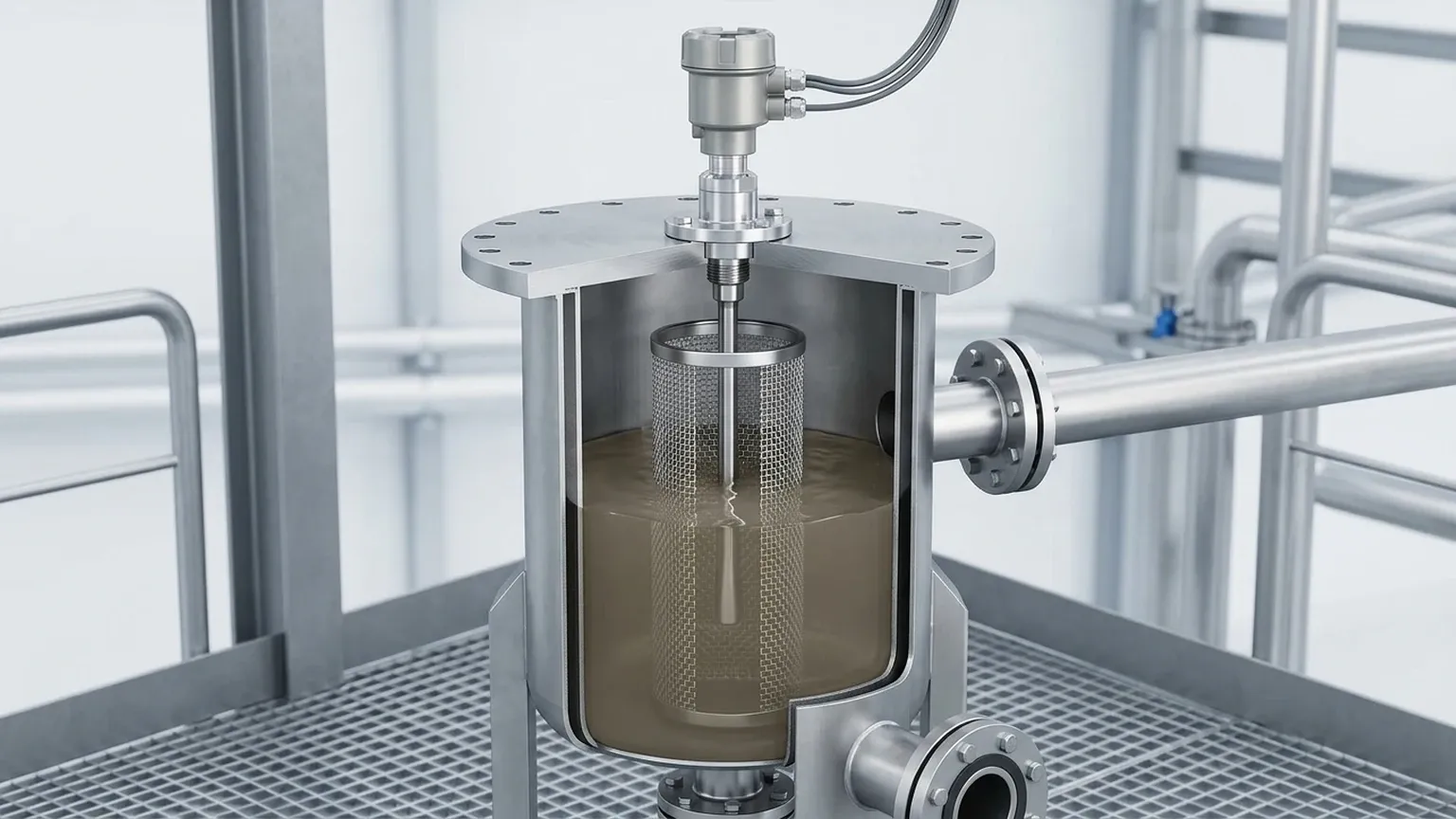
While flat panel filters are common in hood systems, many industrial processes require specialized shapes. Wire Mesh Filter Cylinders & Tubes are frequently employed in machine tool mist collectors, hydraulic breathers, and intake systems for heavy machinery. These cylindrical designs offer a higher surface-area-to-volume ratio, allowing for higher flow rates within a compact footprint.
Comparing Industrial Solutions vs. Consumer Standards
The metal mesh grease filter bosch is often cited as a benchmark for residential and light commercial performance due to its precise fit and high-quality finish. However, in a B2B industrial context, the requirements for "quality" shift toward longevity and serviceability under extreme conditions.
| Feature | Consumer/Standard (e.g., Bosch) | Industrial Custom Solutions |
| :— | :— | :— |
| Frame Construction | Lightweight aluminum or plastic | Heavy-duty stainless steel (welded) |
| Mesh Layers | 3 to 5 layers (standard) | Up to 12+ layers (customizable) |
| Cleaning Method | Dishwasher safe | Ultrasonic or high-pressure steam |
| Pressure Drop | Optimized for low-noise fans | Optimized for high-static pressure blowers |
| Customization | Fixed standard sizes | Fully bespoke dimensions and fittings |
Installation Constraints and Application Risks
Improper selection or installation of a grease filter can lead to several operational risks, the most severe being fire hazards. Grease accumulation in ductwork is a primary fuel source for industrial fires; therefore, the filter must act as an effective flame arrestor.
Common Installation Challenges:
* Bypass Air: If the filter does not fit perfectly within its housing, air will take the path of least resistance around the edges, rendering the filtration system ineffective.
* Orientation: For cylindrical filters, the direction of flow (inside-out vs. outside-in) must be matched to the structural reinforcement (e.g., internal support cores) to prevent the mesh from collapsing under pressure.
* Static Pressure Monitoring: Industrial systems should always include manometers to monitor the pressure drop across the filter. A sudden increase indicates clogging, while a sudden decrease may indicate a breach in the mesh.
Application Risks:
* Corrosion: In food processing, frequent cleaning with caustic chemicals can degrade inferior metals, leading to metal fragments entering the production line.
* Saturation: If a filter is undersized for the grease load, it will saturate quickly, leading to "carry-over," where grease droplets are pulled through the filter and into the fan assembly.
The Buyer’s Checklist: Confirming Technical Specifications
For international procurement teams and engineers, purchasing industrial filtration components requires more than just a part number. To ensure the performance of a custom solution or a high-volume OEM order, the following parameters must be confirmed with the manufacturer:
1. Filtration Efficiency (Micron Rating): What is the minimum particle size the filter is expected to capture at a specific face velocity?
2. Material Certification: Can the supplier provide mill test reports (MTRs) for the stainless steel used in the mesh and frame?
3. Pressure Drop Curve: What is the initial resistance (clean) and the recommended final resistance (dirty) for the system design?
4. Temperature Limits: Will the mesh or the bonding agents (if any) withstand the peak operating temperatures of the process?
5. Cleaning Compatibility: Is the filter designed for repeated ultrasonic cleaning or chemical degreasing without loss of structural integrity?
Customization and OEM Capabilities
In many specialized industrial sectors, off-the-shelf products cannot meet the unique spatial or performance constraints of the machinery. This is where the expertise of a manufacturer like Kaifil becomes essential. By leveraging advanced manufacturing techniques, it is possible to produce Wire Mesh Filter Cylinders & Tubes that integrate directly into proprietary equipment designs.
Customization options typically include:
* End Fittings: Threaded connections, flanges, or quick-release caps for easy maintenance.
* Reinforcement: Internal perforated cores or external cages for high-pressure applications.
* Multi-Stage Media: Combining different mesh types (e.g., knitted mesh with woven wire cloth) to target specific particle size distributions.
Maintenance and Total Cost of Ownership (TCO)
While the initial cost of a high-quality stainless steel filter is higher than that of a disposable or light-duty aluminum version, the Total Cost of Ownership is significantly lower. A robust industrial filter can be cleaned and reused hundreds of times, whereas a standard metal mesh grease filter bosch or similar consumer part may degrade if subjected to the aggressive cleaning protocols required in a factory setting.
Maintenance Best Practices:
* Regular Inspection: Check for signs of "blinded" mesh where grease has carbonized and cannot be easily removed.
* Ultrasonic Cleaning: This is the most effective method for cleaning multi-layer wire mesh, as it uses cavitation bubbles to reach deep into the internal layers of the filter.
* Drying: Ensure filters are completely dry before re-installation to prevent moisture from being pulled into the fan or causing microbial growth in food-grade environments.
Conclusion
Selecting the appropriate metal mesh grease filter is a balance of engineering precision and operational reality. Whether you are seeking a high-performance replacement for a metal mesh grease filter bosch in a commercial setting or designing a complex industrial extraction system using Wire Mesh Filter Cylinders & Tubes, the focus must remain on material quality, structural durability, and filtration efficiency. By understanding these technical boundaries, engineering and purchasing teams can ensure long-term reliability and safety in their filtration processes.
