


Wire Mesh Air Filter
In industrial engineering, air filtration is a critical process required to protect sensitive machinery, ensure product purity, and maintain environmental safety. While many commercial applications rely on disposable synthetic or paper media, heavy-duty industrial environments demand the durability and thermal stability of metal-based solutions. A wire mesh air filter provides a robust, cleanable, and high-performance alternative for applications ranging from air compressor intakes to high-temperature exhaust gas treatment.
Selecting the correct filtration component requires a deep understanding of fluid dynamics, material science, and the specific mechanical constraints of the system. This guide examines the technical parameters, material considerations, and engineering principles involved in selecting and specifying wire mesh filtration solutions for industrial air and gas applications.
Understanding the Role of Wire Mesh Air Filters in Industrial Systems
Industrial air filtration is rarely about simple dust collection. It often involves managing high flow rates, fluctuating pressures, and chemically aggressive environments. A wire mesh air filter functions as a mechanical barrier, utilizing a precise matrix of woven metal wires to intercept particulates while allowing air to pass with minimal resistance.
Unlike depth media, which may shed fibers or collapse under high pressure, stainless steel wire mesh offers structural rigidity. This makes it ideal for "pre-filtration" roles, where it protects high-efficiency particulate air (HEPA) filters from large debris, or as a primary filter in systems where the air contains oil mist, sparks, or abrasive dust. The ability to withstand mechanical stress without deforming ensures that the micron rating remains consistent throughout the filter's service life.
Material Engineering: Why Stainless Steel is the Standard
The performance of a wire mesh air filter is fundamentally tied to its metallurgy. In B2B industrial procurement, material selection is driven by the operating environment—specifically temperature, humidity, and the presence of corrosive agents.
Stainless Steel 304 vs. 316L
Most industrial filters are manufactured from Grade 304 or 316L stainless steel.
- Grade 304: Offers excellent strength and basic corrosion resistance, suitable for general industrial air intake and dry gas filtration.
- Grade 316L: Contains molybdenum, which provides superior resistance to chlorides and pitting. This is the preferred choice for offshore applications, chemical processing plants, and pharmaceutical environments where frequent sterilization or exposure to acidic vapors is expected.
High-Temperature Stability
One of the primary reasons engineers specify metal wire mesh over polymer alternatives is thermal resistance. Stainless steel components can operate in environments exceeding 400°C (752°F) without losing structural integrity. For specialized applications like hot gas filtration or internal combustion engine breathers, specialized alloys can extend this range even further, preventing the filter media from melting or off-gassing.
Structural Design of Wire Mesh Filter Cylinders & Tubes
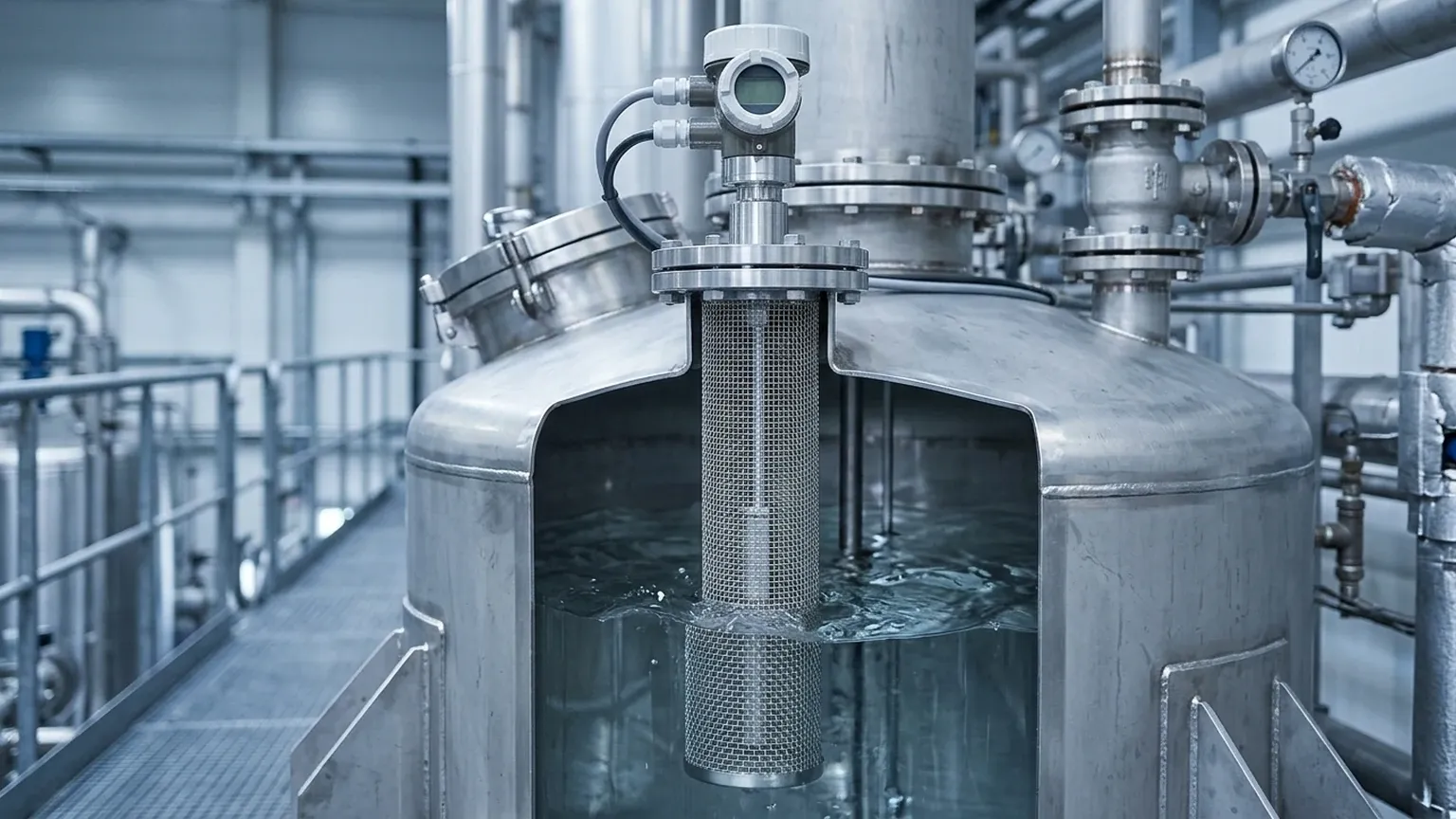
The geometry of the filter element is as important as the mesh itself. In most pressurized or high-velocity air systems, the filtration media must be formed into a rigid shape to withstand the differential pressure (ΔP). Wire Mesh Filter Cylinders & Tubes are the most common configurations due to their inherent structural strength and efficient use of space.
Multi-Layer Construction
To achieve a balance between fine filtration and mechanical strength, industrial filters often utilize a multi-layer design. A typical construction might include:
1. Inner Support Layer: A perforated metal tube or a heavy-duty coarse mesh that provides the primary skeleton to prevent collapse under vacuum or pressure.
2. Filtration Layer: The functional wire mesh layer, selected based on the required micron rating (e.g., 5 μ m to 500 μ m).
3. Outer Protective Layer: A coarse mesh that protects the delicate filtration layer from physical damage during installation or handling.
Pleated vs. Cylindrical Surfaces
While a simple cylindrical tube is sufficient for many applications, pleating the wire mesh can significantly increase the Effective Filtration Area (EFA). A higher EFA reduces the face velocity of the air passing through the mesh, which in turn lowers the initial pressure drop and extends the time between cleaning cycles.
Key Performance Metrics: Micron Rating and Pressure Drop
When specifying a wire mesh air filter, engineers must balance two competing factors: filtration efficiency and energy consumption.
Micron Rating and Mesh Weave
The "micron rating" defines the size of the smallest particle the filter is designed to trap. This is determined by the weave type:
- Plain Weave: Simple over-under pattern, providing high flow rates and easy cleaning, typically used for coarser filtration.
- Dutch Weave: A denser weave with thicker warp wires and finer weft wires, creating a "tortuous path" for air. This allows for much finer filtration (down to the low micron range) while maintaining high mechanical strength.
Managing Differential Pressure (ΔP)
Every filter introduces resistance to the airflow. A high initial pressure drop requires the system's blowers or compressors to work harder, increasing energy costs. Engineers must calculate the "clean pressure drop" and establish a "terminal pressure drop"—the point at which the filter is considered blinded and must be cleaned or replaced. Using a wire mesh air filter with a high EFA is the most effective way to manage these costs over the long term.
Application-Specific Selection: From Blowers to Chemical Processing
The versatility of wire mesh allows it to be adapted to diverse industrial sectors. Each application carries unique risks that must be addressed during the design phase.
1. Air Compressor and Blower Intakes
In these systems, the primary goal is to prevent atmospheric dust from entering the compression chamber, where it could cause abrasive wear on rotors or pistons. A stainless steel mesh filter is preferred here because it can handle the high-velocity intake pulses without vibrating or fatiguing.
2. Oil Mist Elimination
In machining centers and hydraulic power units, air often contains suspended oil droplets. A wire mesh air filter acts as a coalescer; as the oil-laden air passes through the mesh, small droplets collide with the wires, merge into larger drops, and eventually drain away. Unlike paper filters, the metal mesh does not become "soaked" and lose its airflow capacity.
3. Pharmaceutical and Food Processing
In these regulated industries, cleanliness is paramount. Stainless steel filters are used because they are non-shedding and can be subjected to Clean-in-Place (CIP) procedures using steam or caustic chemicals. The absence of adhesives or binders in a welded wire mesh construction eliminates the risk of chemical leaching into the process stream.
Maintenance and Cleaning Protocols for Reusable Filters
One of the most significant advantages of a wire mesh air filter is that it is a permanent asset rather than a consumable. However, the total cost of ownership (TCO) depends on the ease of maintenance.
Cleaning Methods
- Ultrasonic Cleaning: The most effective method for fine Dutch weave filters. High-frequency sound waves create cavitation bubbles that dislodge deeply embedded particulates from the mesh pores.
- Backwashing/Back-pulsing: In automated systems, a reverse flow of compressed air or fluid is used to blow particles off the surface of the mesh.
- Chemical Soaking: Used when the contaminant is organic or sticky (such as resins or oils), provided the chemical agent is compatible with the stainless steel grade.
Monitoring Filter Health
Industrial systems should always be equipped with differential pressure gauges. A sudden spike in ΔP indicates blinding, while a sudden drop could indicate a breach in the mesh or a seal failure. Regular inspections of the Wire Mesh Filter Cylinders & Tubes are necessary to check for signs of mechanical fatigue or localized corrosion.
Procurement Checklist: Specifying Custom Filtration Components
For purchasing teams and engineers, providing a complete specification to the manufacturer is essential to ensure the component performs as expected. Before ordering a wire mesh air filter, confirm the following parameters:
1. Airflow Rate: Expressed in CFM (Cubic Feet per Minute) or m³/h.
2. Operating Pressure: Both the normal working pressure and the maximum surge pressure.
3. Temperature Range: Minimum and maximum operating temperatures.
4. Contaminant Type: Is the dust abrasive, sticky, or corrosive? What is the expected particle size distribution?
5. Micron Rating: Specify whether you require "absolute" or "nominal" filtration.
6. Physical Dimensions: Outer diameter (OD), inner diameter (ID), and overall length (OAL).
7. End Fittings: Does the filter require flanges, threaded connections, or open ends with gaskets?
By focusing on these technical boundaries, industrial operators can move away from "off-the-shelf" compromises and toward optimized filtration solutions. Whether the goal is to protect a multi-million dollar turbine or to ensure the purity of a chemical batch, the integration of high-quality Wire Mesh Filter Cylinders & Tubes provides a reliable, durable, and cost-effective path to achieving process goals.
