


Engineering Efficiency: A Technical Guide to the DIY Woven Wire Fence Unroller
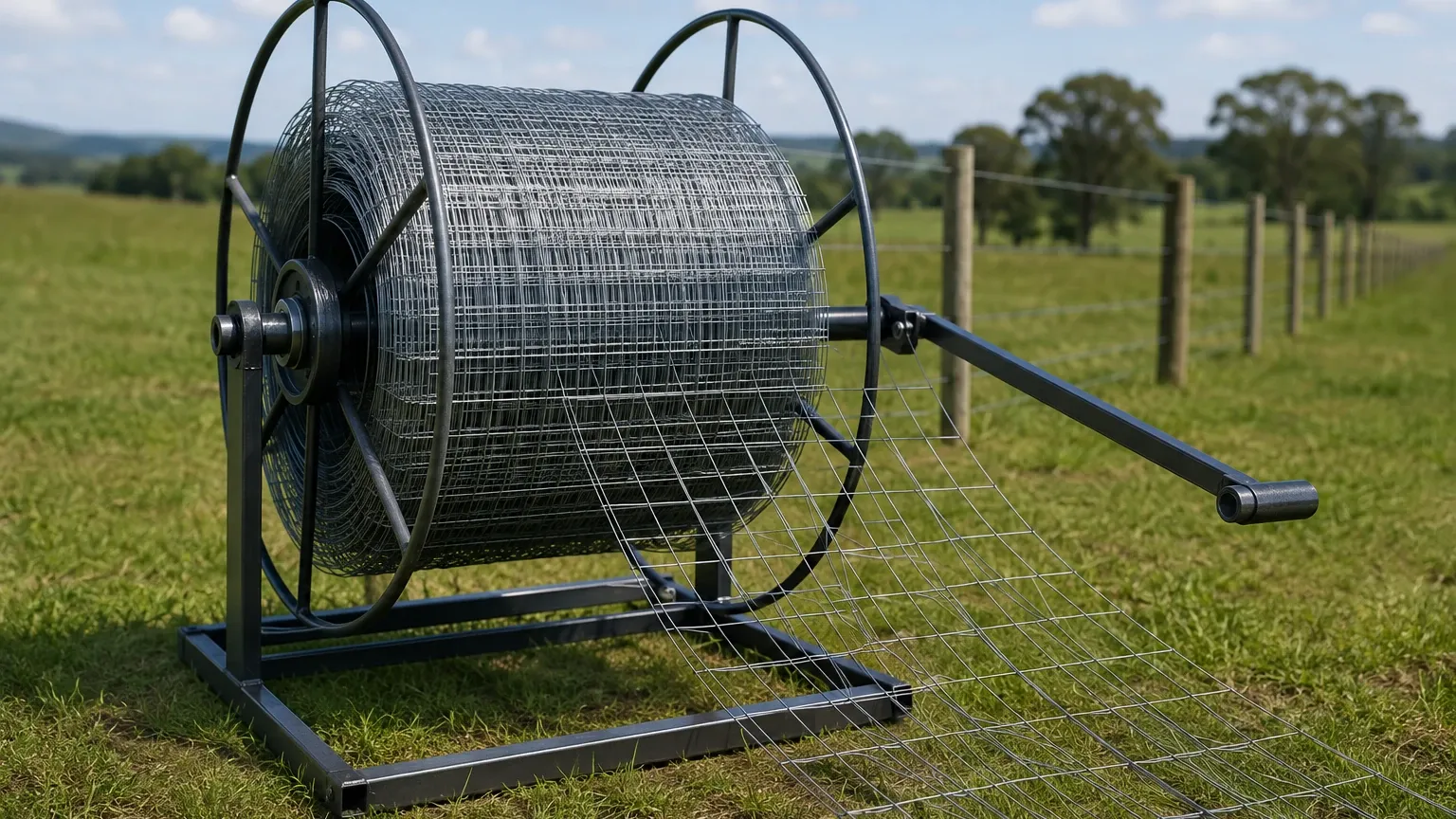
In industrial and agricultural environments, the deployment of bulk materials requires not only physical effort but also mechanical precision. When dealing with heavy-duty Woven Wire Mesh, the challenge of unrolling material without causing kinking, deformation, or injury is a significant operational hurdle. While commercial unrollers are available, many engineering teams and facility managers opt for a diy woven wire fence unroller to meet specific site requirements or to integrate into existing machinery.
This guide explores the technical considerations for designing an unroller, the material properties of high-performance woven mesh, and how to ensure the integrity of the filtration or fencing media remains intact during installation.
The Mechanics of Mesh Deployment
Woven wire mesh is manufactured by weaving individual wires over and under one another, creating a stable and precise aperture. Because these rolls can weigh several hundred pounds and possess significant "spring memory," uncontrolled unrolling can lead to hazardous situations. A dedicated unroller serves three primary functions: stabilization, tension control, and alignment.
Load-Bearing Requirements
When constructing a diy woven wire fence unroller, the first engineering consideration is the static and dynamic load. Industrial rolls of stainless steel mesh, particularly those with high wire diameters or dense mesh counts, exert significant downward force on the central spindle.
1. The Spindle (Axle): This should be constructed from heavy-wall steel tubing or solid cold-rolled steel. For standard rolls, a 2-inch diameter pipe is often the minimum to prevent bowing under the weight of the mesh.
2. The Frame: A triangular or A-frame design provides the highest structural stability. Using square structural tubing (2×2 inch or larger) ensures that the frame does not twist when the mesh is pulled at an angle.
3. Bearings vs. Bushings: For high-frequency use, integrated ball bearings allow for a smoother payout. However, for a simple DIY build, greaseable bushings are often sufficient and more resistant to the dust and debris found in field environments.
Material Selection: Why Woven Wire Mesh Quality Matters
The success of any installation depends heavily on the quality of the material being deployed. Whether the mesh is intended for high-security fencing, industrial partitions, or liquid filtration, the metallurgical properties dictate how it will behave on the unroller.
At Kaifil, we emphasize the importance of selecting the correct alloy and weave pattern for the intended environment. For instance, Plain, twill and dutch woven wire mesh in SS304/316L — rolls, cut mesh and framed panels. Send mesh count or micron target for a technical quote. provides the necessary durability for long-term exposure to corrosive elements.
Common Alloys and Their Applications
* Stainless Steel 304: The standard for general industrial use, offering excellent strength and basic corrosion resistance.
* Stainless Steel 316L: Contains molybdenum, making it the preferred choice for marine environments, chemical processing, and pharmaceutical filtration where pitting corrosion is a risk.
* Galvanized Steel: Often used in agricultural fencing, though it lacks the lifespan and precision of stainless steel options in high-stakes industrial applications.
Designing the DIY Woven Wire Fence Unroller
To build an effective diy woven wire fence unroller, one must choose between a vertical or horizontal orientation. Each has distinct advantages depending on the installation environment.
Vertical Spindle Design
A vertical unroller is often preferred for perimeter fencing. The roll stands upright on a rotating baseplate.
* Pros: Lower center of gravity; easier to load using a skid steer or forklift.
* Cons: Requires a robust thrust bearing at the base to handle the entire weight of the roll.
Horizontal Trailer-Mounted Design
A horizontal unroller is better suited for industrial shop floors or when the mesh needs to be fed directly into a secondary processing machine (like a cutter or a welder).
* Pros: Allows for easier integration of tensioning brakes.
* Cons: Requires a lifting mechanism (like a jack or hoist) to get the spindle onto the mounting brackets.
Integrating a Braking System
One of the most overlooked features in a diy woven wire fence unroller is a friction brake. Without a brake, the momentum of a heavy roll can cause it to continue spinning after the operator has stopped pulling, leading to "bird-nesting"—a tangled mess of wire that can ruin the roll's precision. A simple spring-loaded friction plate against the end of the spindle can provide enough resistance to keep the mesh taut.
Technical Specifications and Mesh Geometry
When engineers specify Woven Wire Mesh, they look at three primary variables: mesh count, wire diameter, and aperture size. These factors influence the flexibility of the roll and, consequently, the design of the unroller.
| Specification | Definition | Impact on Handling |
| :— | :— | :— |
| Mesh Count | Number of openings per linear inch. | Higher counts are more delicate and prone to kinking. |
| Wire Diameter | The thickness of the individual wires. | Heavier diameters increase the roll weight and require stronger spindles. |
| Aperture | The clear distance between wires. | Large apertures may require the unroller to have guides to prevent snagging. |
For filtration applications, Dutch weaves (where the warp and weft wires have different diameters) create a much stiffer material. If you are unrolling Dutch weave mesh for a large-scale filter bed, your unroller must be able to handle the increased resistance and the material's tendency to hold its coiled shape.
Safety Protocols for Mesh Installation
Handling industrial wire mesh presents unique safety challenges. The edges of the mesh, especially when freshly cut from a roll, are extremely sharp. Furthermore, the stored energy in a tightly wound roll can cause the end of the mesh to whip outward during the initial unstrapping.
1. Controlled Release: Always use heavy-duty clamps to hold the end of the mesh against the roll while cutting the shipping straps.
2. Edge Protection: If the mesh is being handled manually, temporary U-channel edging or heavy-duty gloves are mandatory.
3. Tension Management: When using a diy woven wire fence unroller, ensure the pull path is clear of personnel. If the wire snaps or the unroller tips, the recoil can be dangerous.
Maintenance of Unrolling Equipment
A diy woven wire fence unroller is a mechanical asset and requires maintenance to ensure longevity, especially if stored outdoors or in humid industrial environments.
* Lubrication: Regularly grease the spindle contact points or bearings.
* Structural Integrity: Inspect welds for stress cracks, particularly at the base of the spindle support.
* Corrosion Control: If the unroller is made of carbon steel, keep it painted or powder-coated to prevent rust from transferring to the stainless steel mesh rolls.
Conclusion: Selecting the Right Partner for Mesh Solutions
Building a diy woven wire fence unroller is a practical solution for managing the logistics of mesh installation, but the quality of the project ultimately rests on the specifications of the material itself. Whether you are reinforcing a perimeter or engineered a complex filtration system, the mesh must meet rigorous standards for weave accuracy and alloy purity.
At Kaifil, we provide technical support to help engineers select the optimal mesh for their specific needs. From high-micron filtration to heavy-duty industrial screens, our products are designed to perform under pressure. By combining a well-engineered unroller with premium Woven Wire Mesh, you ensure an installation process that is efficient, safe, and built to last.
For detailed technical data on mesh counts, wire diameters, and custom fabrication options, consulting with a specialized manufacturer is the most effective way to ensure your project meets its performance targets. Proper handling equipment and high-grade materials are the dual pillars of successful industrial wire applications.
