


In industrial engineering, the protection of critical infrastructure—ranging from hydraulic hoses to complex electrical wiring—requires materials that can withstand extreme thermal, chemical, and mechanical stress. The woven mesh split sleeve wire loom has emerged as a specialized solution for these demanding environments. By leveraging the structural integrity of high-grade metal alloys and the flexibility of advanced weaving techniques, these looms provide a level of durability that standard plastic conduits cannot match.
At the core of these protective sleeves is the quality of the Woven Wire Mesh used in their construction. For engineers and procurement teams, understanding the technical specifications of the mesh, the implications of material selection, and the mechanical benefits of a split-sleeve design is essential for ensuring long-term system reliability.
The Engineering Logic Behind Woven Mesh Split Sleeve Wire Looms
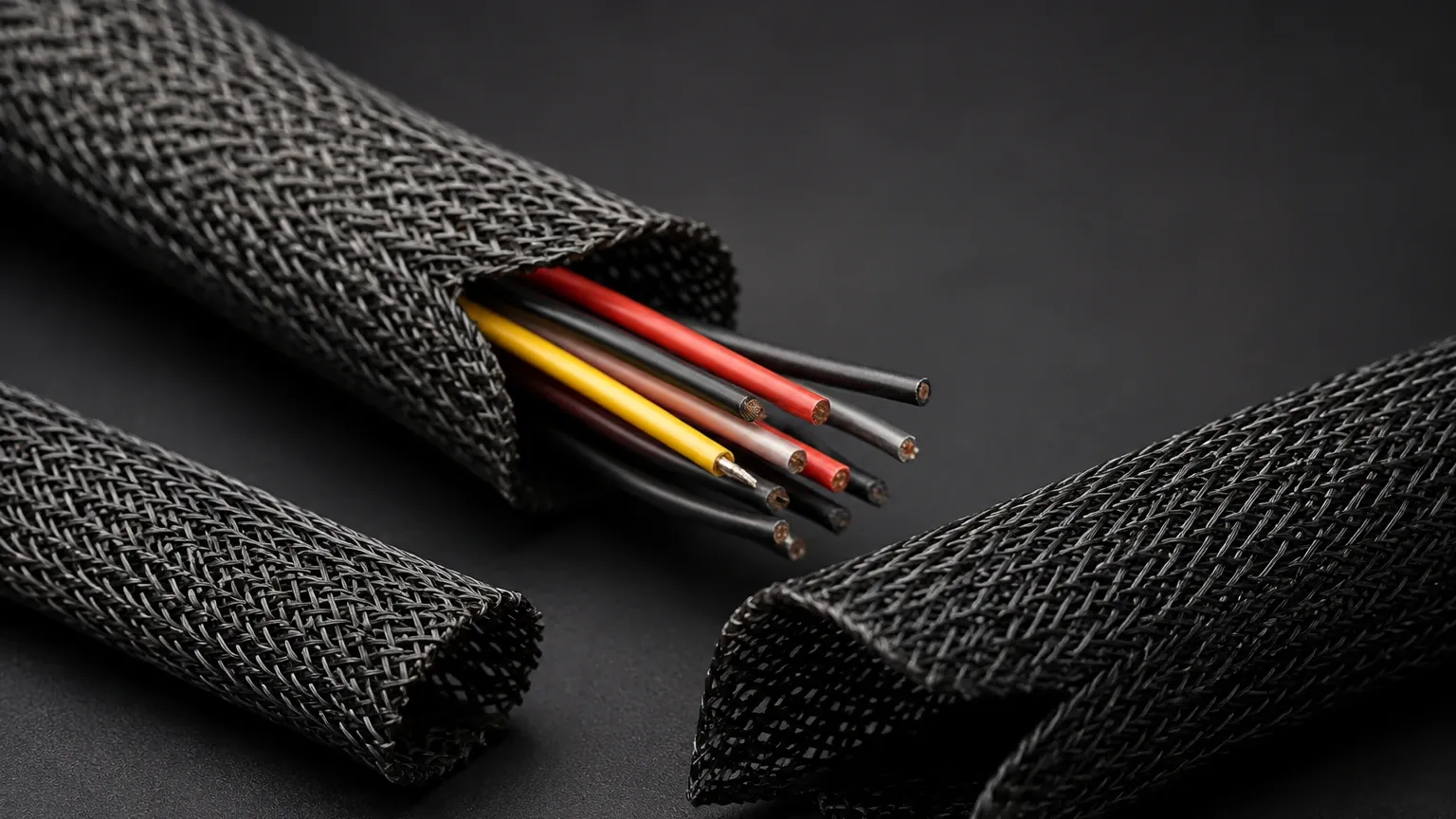
A wire loom serves two primary purposes: organization and protection. While traditional corrugated plastic tubing is sufficient for light-duty commercial applications, industrial sectors such as chemical processing, aerospace, and heavy machinery require a more robust approach. The woven mesh split sleeve wire loom utilizes a self-wrapping design, typically constructed from stainless steel or high-performance monofilaments, to create a protective barrier that is both breathable and incredibly tough.
The "split" design is a critical engineering feature. Unlike continuous tubing, which requires the disconnection of cables or hoses for installation, a split sleeve can be wrapped around existing assemblies. This significantly reduces downtime during maintenance or retrofitting. The inherent spring-back tension of the woven structure ensures that the sleeve remains securely closed, maintaining a 25% to 50% overlap to prevent the exposure of internal components.
Material Selection: Stainless Steel vs. Synthetic Alternatives
The performance of a woven mesh split sleeve wire loom is fundamentally determined by its base material. In the context of industrial filtration and component protection, stainless steel is often the preferred choice due to its unique physical properties.
Stainless Steel 304 and 316L
For most industrial applications, SS304 provides excellent resistance to oxidation and general corrosion. However, in environments involving high salinity or exposure to aggressive chemicals (common in pharmaceutical and marine industries), SS316L is specified. The addition of molybdenum in 316L enhances its resistance to pitting and crevice corrosion.
Thermal Management
One of the primary reasons engineers specify a metal woven mesh split sleeve wire loom is thermal stability. While nylon or PET sleeves may melt or off-gas at temperatures exceeding 150°C, stainless steel mesh maintains its structural integrity at temperatures up to 800°C (depending on the alloy). This makes it indispensable for protecting sensors and fuel lines in proximity to engines, furnaces, or high-pressure steam lines.
Understanding Weave Patterns and Their Functional Impact
The performance characteristics of the loom—such as its expansion ratio, flexibility, and abrasion resistance—are dictated by the weave pattern. When sourcing Woven Wire Mesh, engineers must consider how the geometry of the wires affects the final application.
1. Plain Weave: This is the most common construction, where wires cross over and under each other in a simple 1:1 ratio. It provides a consistent opening size and excellent stability, making it ideal for general-purpose protective sleeves.
2. Twill Weave: In a twill weave, each wire passes over two and under two wires. This allows for a heavier wire diameter to be used in a given mesh count, increasing the sleeve's resistance to mechanical impact and heavy abrasion.
3. Dutch Weave: Primarily used in high-precision filtration, Dutch weave techniques can be adapted for sleeves requiring extreme density. This is often used when EMI (Electromagnetic Interference) shielding is a secondary requirement of the wire loom.
The choice of weave affects the "bend radius" of the loom. A tighter weave may offer better protection against fine particulates but might limit the flexibility of the hose or cable assembly it covers. Conversely, a more open weave allows for better heat dissipation and drainage of fluids, which is critical in hydraulic applications.
Performance in Demanding Industrial Environments
The application of a woven mesh split sleeve wire loom extends across several high-stakes industries where failure is not an option.
Chemical Processing and Filtration Systems
In chemical plants, equipment is often exposed to corrosive vapors and liquid splashes. A stainless steel woven sleeve protects sensitive control wiring from chemical degradation while allowing the wires to "breathe," preventing the buildup of moisture or corrosive condensates that can occur inside sealed plastic conduits.
Hydraulic and Pneumatic Systems
High-pressure hoses are susceptible to "pinhole" leaks and external abrasion. A woven metal sleeve acts as a secondary containment layer. In the event of a high-pressure leak, the mesh helps dissipate the energy of the fluid spray, reducing the risk of injury to personnel and damage to surrounding equipment. Furthermore, the abrasion resistance of the mesh protects the hose from wear caused by vibration against machine frames.
Food and Beverage Production
In these environments, hygiene is paramount. Stainless steel woven mesh is non-porous and resistant to the harsh cleaning agents used in washdown procedures. The split sleeve design allows maintenance teams to easily open the loom for inspection, ensuring that no organic matter is trapped within the assembly.
Key Selection Criteria for Engineering and Procurement
When specifying a woven mesh split sleeve wire loom, several technical parameters must be confirmed to ensure the product meets the application requirements:
* Nominal Diameter: The internal diameter of the sleeve when closed. It is standard practice to select a size that provides a slight overlap (usually 25%) to ensure full coverage.
* Expansion Ratio: Does the mesh need to expand to fit over bulky connectors? Metal meshes have lower expansion ratios than synthetic fibers, so precise sizing is critical.
* Wire Diameter and Mesh Count: These factors determine the level of physical protection. A higher wire diameter increases crush resistance but adds weight and reduces flexibility.
* Environmental Compatibility: Confirm if the environment involves exposure to chlorides, acids, or extreme temperatures. This will dictate whether SS304, SS316L, or a specialized alloy like Monel or Inconel is required.
* EMI/RFI Shielding Requirements: If the loom is intended to protect signal wires from interference, the density of the weave and the electrical conductivity of the material are paramount.
Customization and OEM Manufacturing Capabilities
Standard off-the-shelf solutions often fail to meet the specific tolerances required in advanced industrial machinery. This is where the expertise of a professional manufacturer like Kaifil becomes invaluable. Customization options for woven mesh components allow engineers to fine-tune the performance of their protective systems.
Customization can include:
* Specific Alloy Selection: Tailoring the material to the exact chemical profile of the operating environment.
* Variable Weave Densities: Creating sections of the loom with higher flexibility and other sections with higher rigidity.
* Integrated End Fittings: Providing sleeves with pre-installed collars or mounting brackets to simplify the assembly process on the factory floor.
* Precision Cutting: Ensuring that the edges of the split sleeve are properly finished to prevent fraying and to ensure the safety of technicians during installation.
By working with a manufacturer that understands the nuances of Woven Wire Mesh, purchasing teams can ensure they are receiving a product that has been tested for filtration accuracy (if applicable) and mechanical durability. This technical alignment reduces the total cost of ownership by extending the service life of the protected components and reducing the frequency of replacement.
Conclusion: The Strategic Value of High-Quality Looms
The woven mesh split sleeve wire loom is more than a simple cable management tool; it is a critical component in the reliability of industrial systems. Whether it is protecting hydraulic lines from abrasive wear or shielding sensitive electronics from extreme heat, the quality of the underlying woven mesh is the determining factor in performance.
For engineers, the move toward stainless steel woven solutions represents a commitment to durability and safety. By selecting the correct material, weave, and diameter, and by partnering with an experienced OEM manufacturer, industrial operations can significantly mitigate the risks of component failure and unplanned downtime. In the complex landscape of modern manufacturing, the most effective solutions are often those that combine traditional material strengths with innovative design features like the split-sleeve architecture.
