


Understanding the Technical Specifications and Industrial Applications of Woven Wire Mesh
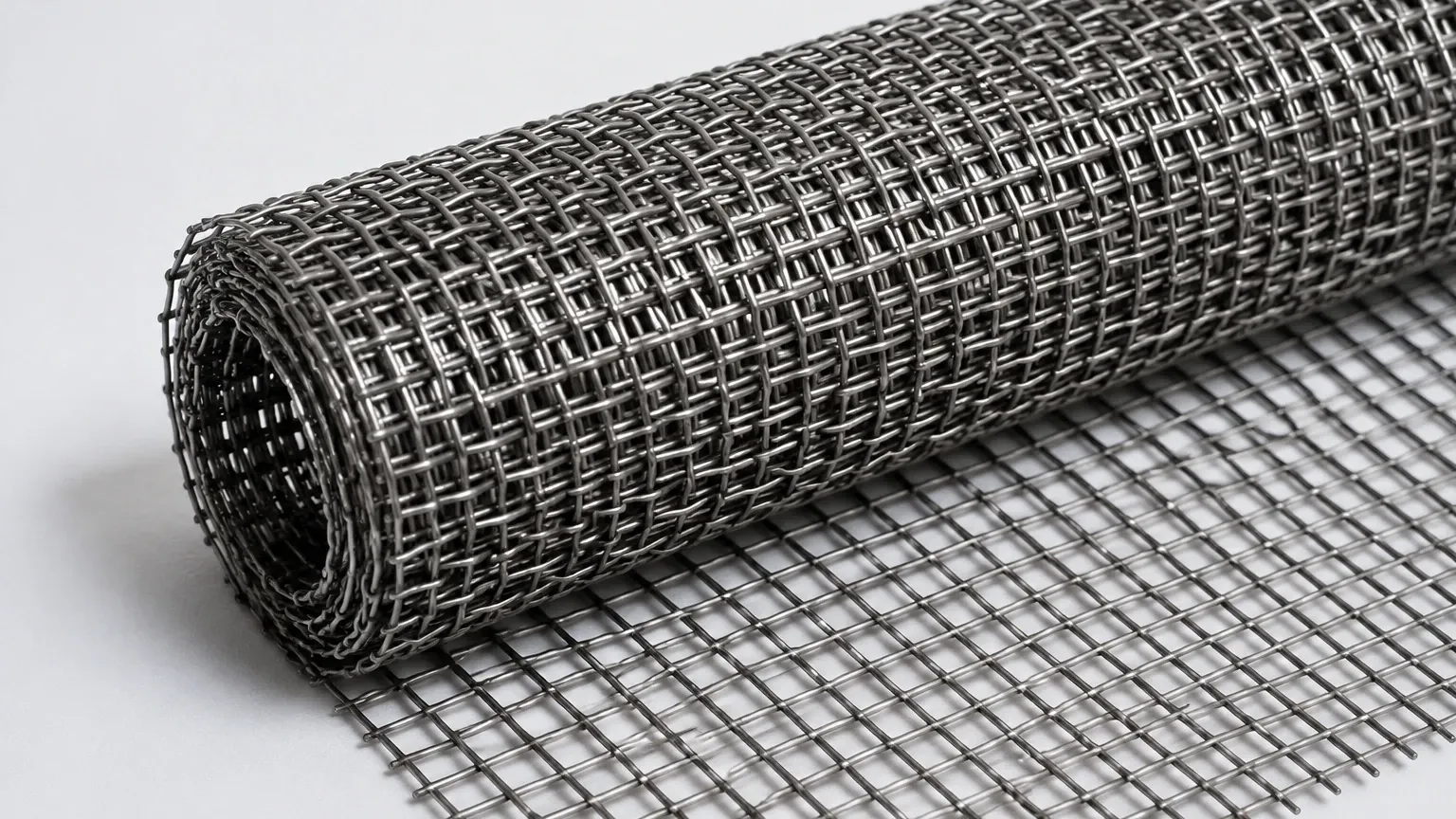
In industrial engineering and facility management, the selection of mesh materials is a critical decision that impacts safety, structural integrity, and operational efficiency. Among the various configurations available, the woven wire fence 2 x 4—referring to a mesh with 2-inch by 4-inch rectangular openings—serves as a versatile standard for medium-to-heavy-duty applications. While often associated with perimeter security, its utility in industrial environments extends to machine guarding, material separation, and reinforced structural panels.
Selecting the appropriate Woven Wire Mesh involves more than just choosing a dimension; it requires a deep understanding of metallurgy, weaving techniques, and the environmental stresses the mesh will encounter. For professionals in the chemical, pharmaceutical, and industrial sectors, these components must meet rigorous standards for durability and precision.
Technical Configuration of 2×4 Woven Wire Mesh
The "2 x 4" designation specifies the center-to-center distance between wires or the clear opening size, depending on the manufacturer's standard. In an industrial context, this rectangular geometry provides a specific strength-to-weight ratio that differs from square mesh.
Wire Gauge and Diameter
The performance of a woven wire fence 2 x 4 is primarily dictated by the wire gauge. Industrial applications typically utilize heavier gauges, such as 6, 8, 10, or 12 AWG (American Wire Gauge). A thicker wire diameter increases the mesh's resistance to impact and deformation but also increases the overall weight and cost. Engineers must balance the need for physical security or containment with the structural load limits of the supporting frames.
Weaving and Crimping Styles
Unlike fine filtration mesh, larger industrial mesh often utilizes specialized crimping styles to ensure the wires remain locked in place. For a 2×4 configuration, common styles include:
* Lock Crimp: The wires are crimped at the intersections to provide a distinct "lock," preventing the wires from shifting even under significant vibration or pressure.
* Inter-Crimp: Extra crimps are placed between the intersections, which is particularly useful when using lighter gauge wires with larger openings to maintain the rigidity of the panel.
* Flat Top: The crimping is processed on one side, creating a smooth surface. This is essential in applications where material flow over the mesh must be unobstructed or where aesthetic safety is a priority.
Material Selection: The Role of Stainless Steel
In demanding industrial environments, the choice of material is the most significant factor in the mesh's lifespan. While galvanized steel is common for standard fencing, industrial-grade Woven Wire Mesh often requires stainless steel alloys to withstand corrosive chemicals, high temperatures, and moisture.
SS304 vs. SS316L
* Type 304 Stainless Steel: This is the standard industrial grade. It offers excellent corrosion resistance and is suitable for most indoor and outdoor applications where it is not exposed to highly saline or acidic environments.
* Type 316L Stainless Steel: For chemical processing plants, marine environments, or pharmaceutical facilities, 316L is preferred. The addition of molybdenum provides superior resistance to pitting and crevice corrosion, especially in chloride-rich environments.
For specialized industrial requirements, engineers often specify Plain, twill and dutch woven wire mesh in SS304/316L — rolls, cut mesh and framed panels. Send mesh count or micron target for a technical quote. to ensure long-term reliability and compliance with industry-specific hygiene and safety standards.
Industrial Applications of 2×4 Woven Wire Structures
The 2×4 rectangular opening is highly effective for applications where visibility and airflow are required, but physical access must be restricted.
Machine Guarding and Safety Enclosures
In manufacturing plants, protecting personnel from moving machinery is a regulatory requirement. A woven wire fence 2 x 4 provides a robust barrier that allows operators to visually inspect equipment while preventing accidental contact. The rectangular opening is often oriented vertically to discourage climbing and to provide a slim profile that minimizes visual distortion.
Material Handling and Storage
In warehouse environments, woven mesh panels are integrated into pallet racking and storage lockers. The 2×4 configuration is ideal for these applications because it is strong enough to contain heavy items while allowing fire suppression systems (sprinklers) to penetrate the mesh effectively, a common requirement in modern building codes.
Filtration Support and Coarse Screening
While fine mesh handles the primary filtration, heavier Woven Wire Mesh often serves as a support substrate. In large-scale water treatment or chemical processing, a 2×4 mesh can act as a "trash screen" or a support cage for finer filter media, protecting the delicate internal components from large debris or structural collapse under high flow rates.
Engineering Considerations for Selection
When specifying mesh for a project, engineers should evaluate several key performance indicators to avoid premature failure.
Open Area Percentage
The open area determines the mesh's transparency to air, light, and fluids. A 2×4 mesh with a 10-gauge wire will have a different open area percentage than one with a 6-gauge wire. If the mesh is used for ventilation or as a part of a cooling system, calculating the pressure drop across the mesh is vital.
Tensile Strength and Impact Resistance
In security or safety applications, the mesh must withstand specific force loads. The tensile strength of the stainless steel wire, combined with the security of the crimping method, determines the mesh's ability to absorb energy without breaking. This is particularly relevant in "high-traffic" industrial zones where forklifts or heavy equipment might accidentally impact the barriers.
Environmental Compatibility
Engineers must confirm the chemical compatibility of the mesh material with the surrounding atmosphere. For instance, in a food processing plant where caustic cleaning agents are used daily, even 304 stainless steel might show signs of stress corrosion cracking over time, making 316L the more cost-effective long-term choice despite the higher initial investment.
Installation and Structural Integration
The effectiveness of a woven wire fence 2 x 4 is largely dependent on how it is installed and framed. For industrial use, mesh is rarely used as a standalone roll; it is typically integrated into a structural framework.
1. Framing Options: Mesh panels can be welded into angle iron frames, U-edging, or tube frames. The choice of frame depends on the required rigidity and the method of attachment to the existing structure.
2. Tensioning: For long spans of fencing, proper tensioning is required to prevent sagging. In industrial enclosures, however, rigid panels are usually preferred to maintain precise clearances between the mesh and hazardous machinery.
3. Fastening Systems: Using compatible hardware is essential. If a stainless steel mesh is attached using carbon steel bolts in a moist environment, galvanic corrosion will occur, leading to the failure of the fasteners. Always match the hardware material to the mesh alloy.
Maintenance and Long-Term Value
One of the primary advantages of utilizing high-quality stainless steel Woven Wire Mesh is the low maintenance requirement. Unlike plastic or coated carbon steel, stainless steel does not peel, flake, or require frequent repainting.
Cleaning Protocols
In pharmaceutical and food-grade applications, the mesh must be cleaned regularly. The 2×4 opening size is large enough to allow for thorough pressure washing and the application of sanitizing agents. The smooth surface of high-quality woven wire minimizes the areas where bacteria or contaminants can accumulate.
Inspection Cycles
Industrial safety protocols should include periodic inspections of the mesh panels. Inspectors should look for:
* Signs of mechanical damage or broken wires.
* Corrosion at the weld points or intersections.
* Loosening of the mounting hardware.
By selecting the correct specifications at the outset—balancing wire gauge, material grade, and weave type—facility managers can ensure that their mesh installations provide a service life measured in decades rather than years.
Conclusion
Whether used as a woven wire fence 2 x 4 for perimeter security or as a specialized component in a chemical processing plant, woven wire mesh is a fundamental engineering material. Its performance is a direct result of the precision with which it is manufactured and the suitability of the material for its environment. By focusing on technical specifications rather than just price, B2B buyers can secure solutions that offer superior protection, durability, and total cost of ownership. For those requiring custom dimensions or specialized alloys, working with a manufacturer that understands the nuances of industrial filtration and structural mesh is the most reliable path to project success.
