


Woven Wire Fence 5 Ft: Engineering and Application Guide for Industrial Mesh Systems
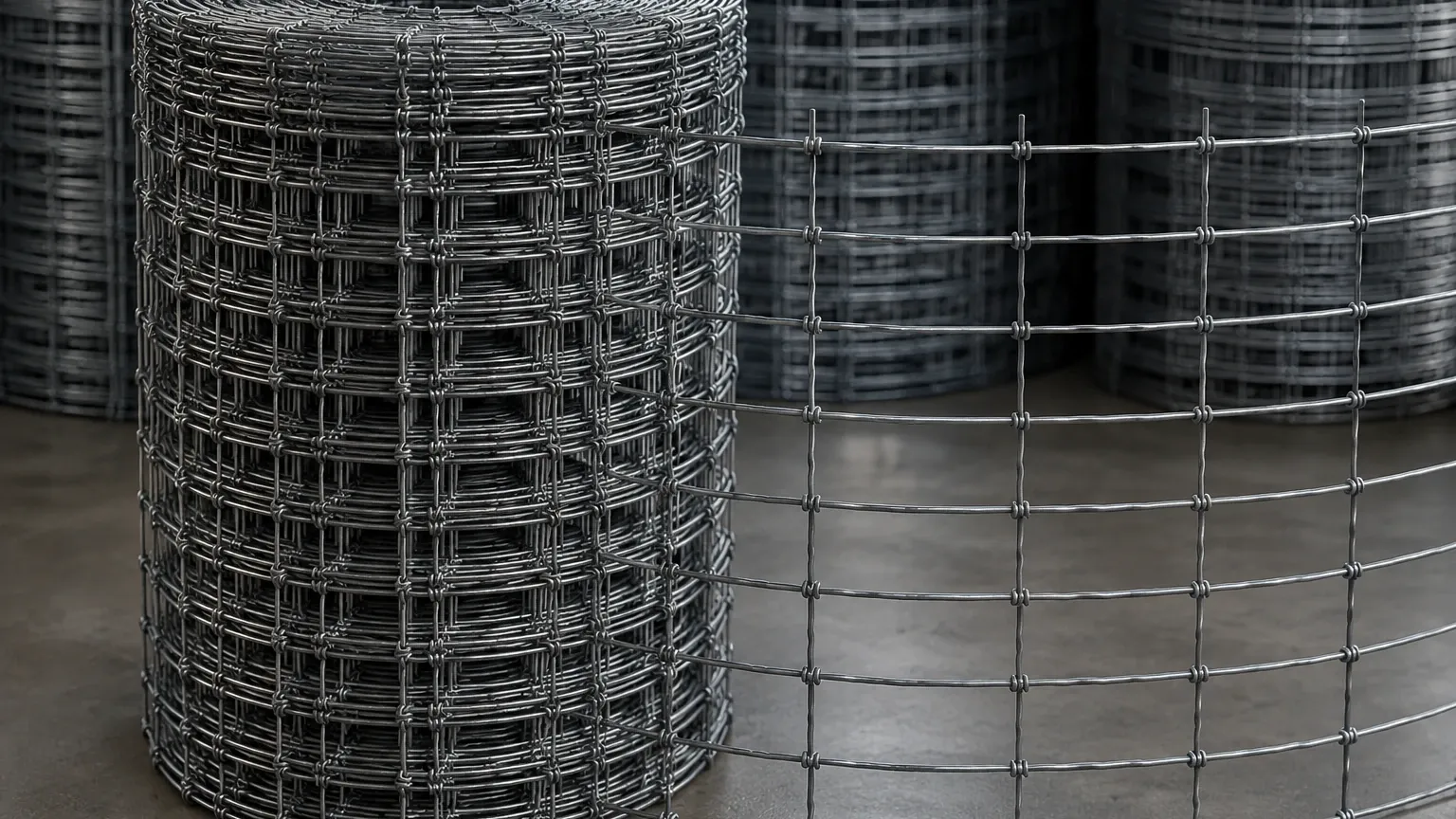
In the realm of industrial infrastructure and filtration, the specification of a woven wire fence 5 ft in height often represents more than a simple perimeter barrier. For engineers and procurement specialists, this dimension typically refers to 60-inch wide rolls or panels of high-performance Woven Wire Mesh designed for demanding environments. Whether utilized as a protective screen in chemical processing, a safety guard in high-pressure hydraulic systems, or a primary debris barrier in water treatment, the technical integrity of the mesh is paramount.
Selecting the correct mesh involves understanding the intersection of material science, weave geometry, and mechanical durability. This guide explores the technical considerations of 5-foot woven wire systems, focusing on their role in industrial filtration and structural separation.
1. Technical Fundamentals of Woven Wire Mesh
At its core, woven wire mesh is produced by interlacing individual wires over and under one another to create a stable, precise grid. Unlike welded wire, which relies on localized heat at junctions, woven mesh maintains its structural integrity through the tension and friction of the weave itself. This allows for greater flexibility and a more uniform distribution of stress across the surface.
Material Selection: SS304 vs. SS316L
For industrial applications, the choice of alloy is the first critical decision.
* Stainless Steel 304: The most common industrial grade, offering excellent cost-to-performance ratios. It provides sufficient corrosion resistance for most indoor and mild outdoor environments.
* Stainless Steel 316L: Containing molybdenum, this alloy is essential for marine environments, chemical processing plants, and pharmaceutical applications where resistance to chlorides and pitting is required. The "L" denotes low carbon content, which enhances weldability and prevents sensitization during assembly.
Weave Patterns and Their Impact
The performance of a 5-foot mesh panel is heavily influenced by its weave pattern. While many associate "fence" with simple square openings, industrial applications often require specialized geometries:
* Plain Weave: The most straightforward pattern where each warp wire crosses over and under each shute wire. It provides the highest open area percentage, ideal for high-flow filtration.
* Twill Weave: Each shute wire passes over and under two warp wires. This allows for the use of heavier wires in a given mesh count, increasing the mechanical strength of the 5-foot span.
* Dutch Weave: Utilizing different wire diameters for warp and shute, this weave creates a tortuous path for particles, offering superior filtration precision and high pressure resistance.
2. The Significance of the 5 Ft (60-Inch) Specification
In manufacturing, 60 inches (5 feet) is a standard industrial width for mesh looms. This width is particularly advantageous for several reasons:
Optimization of Seamless Surface Area
In large-scale filtration units or architectural partitions, minimizing seams is critical. A 5-foot wide roll allows for the coverage of large spans with fewer joints. In filtration, seams are potential points of failure or bypass; by using wider rolls, engineers can design larger filter leaves or intake screens that maintain a continuous, uniform aperture across the entire surface.
Structural Stability in Large Panels
When a woven wire fence 5 ft high is installed as a barrier or screen, it must withstand lateral forces—be it wind load, fluid pressure, or mechanical impact. The tensioning of a 5-foot panel requires precise calculation of the wire's yield strength to ensure the mesh does not sag or deform over time. Industrial-grade mesh often utilizes a higher wire-diameter-to-aperture ratio to ensure that the 60-inch span remains rigid under load.
3. Industrial Applications for 5-Foot Woven Mesh
While the term "fence" implies a vertical barrier, in B2B contexts, these 5-foot components serve diverse roles across multiple sectors.
Water and Wastewater Treatment
Large-scale intake screens often utilize 5-foot wide stainless steel mesh panels to prevent debris from entering pumps and turbines. The corrosion resistance of SS316L is particularly valued here, as the mesh must survive constant immersion in potentially brackish or chemically treated water.
Chemical and Petrochemical Processing
In catalyst recovery and separation towers, woven wire mesh acts as a support medium. The 5-foot width allows for the fabrication of large-diameter circular screens with minimal welding, ensuring that the catalyst bed remains uniform and the pressure drop is minimized.
Safety Guarding and Machine Protection
In heavy manufacturing, a woven wire fence 5 ft high is often used to create safety enclosures around automated machinery. Unlike solid barriers, the mesh allows for airflow and visual inspection while providing a high-tensile shield against ejected debris or accidental contact.
4. Engineering Selection Criteria
When specifying woven wire mesh for a project, engineers must look beyond the height and length. The following parameters define the performance envelope of the product:
Mesh Count vs. Micron Rating
* Mesh Count: The number of openings per linear inch. A higher mesh count indicates finer filtration but usually involves thinner wires.
* Micron Rating: The size of the smallest particle the mesh is intended to retain. For precision filtration, the absolute micron rating is more critical than the mesh count.
Open Area Percentage
This determines the flow capacity of the mesh. A higher open area reduces pressure drop but may compromise the structural strength of the 5-foot panel. Engineers must balance the need for throughput with the mechanical requirements of the installation.
Wire Diameter and Tensile Strength
The thickness of the wire directly impacts the longevity of the mesh. In abrasive environments, such as mining or aggregate screening, a larger wire diameter is preferred to provide a wear margin. For a 5-foot span, the tensile strength of the wire must be sufficient to handle the tensioning forces required for a flat, stable installation.
5. Customization and OEM Capabilities
Standard off-the-shelf mesh rarely meets the exact needs of specialized industrial projects. Working with a manufacturer like Kaifil allows for the development of customized solutions tailored to specific operating conditions.
Edge Treatments and Framing
For a 5-foot mesh panel to be effective, its edges must be properly finished. Options include:
* Hemmed Edges: Folding the mesh back on itself to prevent fraying.
* Welded Borders: Attaching a solid metal strip or angle iron to the perimeter for easy bolting into a frame.
* Tensioned Hooks: Specialized edges for use in vibrating screens or tensioned fence systems.
Precision Slitting and Cutting
Advanced manufacturing facilities can slit 5-foot wide master rolls into precise widths or cut them into specific geometric shapes using laser or waterjet technology. This ensures that the final component fits perfectly into the intended housing or frame without the need for on-site adjustments.
6. Installation and Maintenance Considerations
The longevity of a woven wire fence 5 ft system depends heavily on correct installation and a proactive maintenance schedule.
Proper Tensioning
In screening applications, improper tensioning is the leading cause of premature failure. If the mesh is too loose, it will flex and fatigue under fluid or mechanical load. If too tight, the wires may exceed their elastic limit. Using specialized tensioning bolts and monitoring the "drum-tight" resonance of the mesh can help ensure optimal setup.
Cleaning and Passivation
In chemical or food-grade applications, the mesh must be kept clean to prevent "blinding" (clogging of the apertures). Ultrasonic cleaning or high-pressure backwashing are common methods. Additionally, after fabrication or welding, stainless steel mesh should be passivated to restore the protective chromium oxide layer, ensuring maximum corrosion resistance.
Inspection Cycles
Regular inspection should focus on:
* Wire Thinning: Checking for abrasive wear or chemical corrosion.
* Aperture Distortion: Ensuring the openings remain uniform and have not been stretched.
* Joint Integrity: Inspecting welds or mechanical fasteners at the edges of the 5-foot span.
7. Total Cost of Ownership (TCO)
When evaluating a 5-foot woven wire solution, purchasing teams should look beyond the initial price per square foot. The Total Cost of Ownership includes:
1. Service Life: A higher-grade alloy or thicker wire may cost more upfront but can double the time between replacements.
2. Maintenance Costs: Ease of cleaning and resistance to blinding can significantly reduce operational downtime.
3. Filtration Efficiency: High-precision mesh can improve the quality of the end product or protect expensive downstream equipment (like pumps and valves) from damage.
By selecting a manufacturer that provides detailed material certifications and technical support, companies can ensure that their investment in woven wire mesh delivers long-term value.
Conclusion
Whether it is used as a protective woven wire fence 5 ft high or as a critical component in a complex filtration system, woven wire mesh is an engineered product that requires careful selection. By focusing on material properties, weave types, and precise manufacturing standards, engineers can optimize their systems for durability and performance. For those requiring specialized dimensions or high-performance alloys, partnering with a dedicated manufacturer ensures that the mesh meets the rigorous demands of modern industrial applications.
