


Woven Wire Mesh Price Per Meter: A Technical Guide to Industrial Procurement
In industrial filtration and separation, selecting the right material involves a complex balance between performance requirements and budgetary constraints. For procurement managers and engineers, the woven wire mesh price per meter is often the primary metric used to evaluate supplier quotes. However, understanding the technical variables that drive this cost is essential for ensuring that the selected mesh performs reliably in demanding environments such as chemical processing, food production, and pharmaceutical manufacturing.
Woven wire mesh is a highly engineered product. Its price is not merely a reflection of raw material costs but is influenced by wire diameter, mesh count, weave complexity, and the precision of the manufacturing process. This guide examines the factors that determine the cost of stainless steel wire mesh and provides the technical context necessary to make informed purchasing decisions.
1. Material Selection and Its Impact on Cost
The most significant driver of the woven wire mesh price per meter is the alloy used in the weaving process. Stainless steel is the industry standard due to its corrosion resistance and mechanical strength, but the specific grade chosen significantly alters the price point.
Grade 304 vs. Grade 316L
Stainless steel 304 is the most common grade for general-purpose industrial applications. It provides excellent strength and basic corrosion resistance at a competitive price. However, in environments involving chlorides or high acidity—common in marine or chemical processing applications—Grade 316L is required. The addition of molybdenum in 316L enhances its resistance to pitting and crevice corrosion. Generally, 316L carries a price premium of 20% to 40% over 304, depending on market fluctuations in nickel and molybdenum prices.
Exotic Alloys
For extreme conditions, such as high-temperature filtration or highly corrosive chemical baths, standard stainless steel may be insufficient. Alloys like Monel, Inconel, and Hastelloy are available for specialized applications. These materials can increase the price per meter by several orders of magnitude compared to standard stainless steel, but they are often the only viable solution for preventing premature filter failure in aggressive environments.
2. Technical Specifications: Mesh Count and Wire Diameter
The physical architecture of the mesh—defined by the mesh count and the wire diameter—directly influences the amount of material used and the time required for weaving.
Mesh Count and Aperture Size
The mesh count refers to the number of openings per linear inch. A higher mesh count results in smaller apertures (micron ratings). As the mesh count increases, the weaving process becomes more delicate and time-consuming. Fine meshes require thinner wires and higher precision on the loom, which increases the labor and machine time costs, thereby raising the price per meter.
Wire Diameter and Weight
The wire diameter determines the mechanical strength and the "open area" of the mesh. Heavier wire diameters provide greater durability and resistance to high-pressure differentials but use more raw material by weight. Since stainless steel is often traded by weight, a mesh with a larger wire diameter will typically have a higher price per meter than a mesh with the same count but thinner wire, assuming all other factors remain constant.
Engineers must calculate the required "open area" percentage to ensure adequate flow rates while maintaining the structural integrity of the filter. For those seeking specific configurations, you can Review product options and application support to determine the optimal balance between wire thickness and filtration efficiency.
3. The Role of Weave Patterns in Pricing
The method by which the wires are interlaced—the weave pattern—affects both the filtration characteristics and the manufacturing complexity. Different patterns are utilized to achieve specific micron ratings and mechanical properties.
* Plain Weave: This is the most common and cost-effective pattern. Each warp wire passes alternately over and under each weft wire. It is ideal for general screening and low-pressure filtration.
* Twill Weave: In this pattern, each warp wire passes alternately over and under two weft wires. This allows for a heavier wire diameter to be used with a given mesh count, providing greater strength. The increased complexity of the weaving setup slightly raises the cost compared to plain weave.
* Dutch Weave (Plain and Twill): Dutch weaves use a larger diameter for the warp wires and a smaller diameter for the weft wires, which are woven closely together to create a dense, robust filter medium. These are essential for high-pressure applications and fine micron filtration. Because Dutch weaves require specialized looms and significantly more wire (by weight) per square meter, the price per meter is considerably higher than standard square mesh.
4. Manufacturing Standards and Quality Control
When evaluating the woven wire mesh price per meter, it is vital to consider the quality standards to which the mesh is manufactured. In industrial B2B procurement, the "cheapest" option often carries hidden costs related to poor tolerances and material impurities.
Precision and Tolerances
High-quality woven wire mesh must adhere to strict tolerances regarding aperture size and wire diameter. Inconsistent apertures can lead to "bypass," where particles larger than the target micron rating pass through the filter, potentially damaging downstream equipment or contaminating the final product. Manufacturers like Kaifil utilize advanced weaving technology to ensure uniformity across the entire roll length.
Certification and Compliance
For industries such as food and beverage or pharmaceuticals, material traceability is non-negotiable. The price per meter often includes the cost of providing Material Test Reports (MTRs) and ensuring compliance with standards like FDA or ISO. Purchasing uncertified mesh may save on the initial capital expenditure but introduces significant risk in regulated environments.
5. Factors Influencing the Total Procurement Cost
Beyond the base price per meter, several logistical and processing factors influence the final invoice. Understanding these can help purchasing teams optimize their spend.
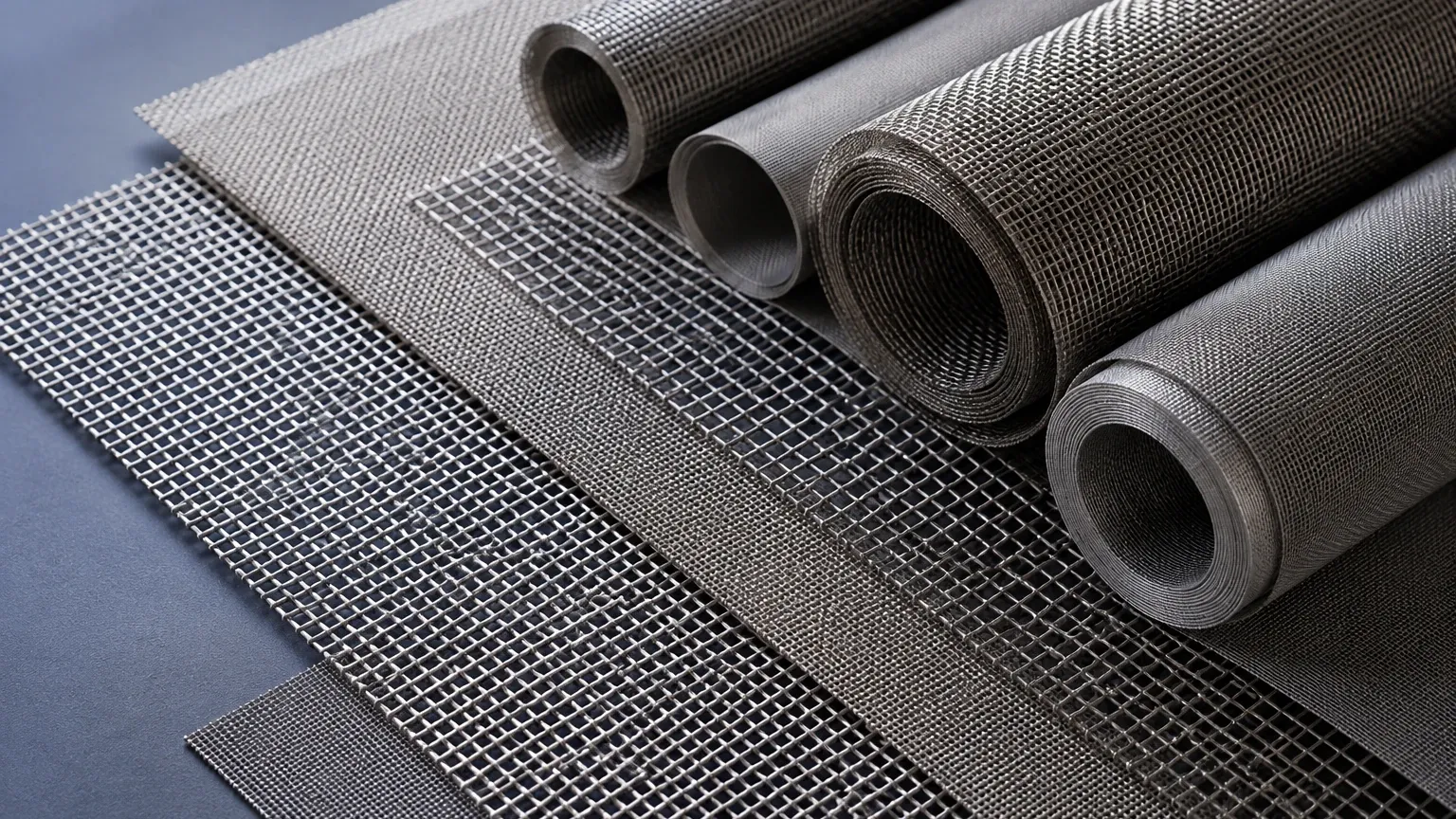
* Roll Dimensions and Slitting: Standard rolls are typically 1 meter or 1.22 meters (48 inches) wide. If your application requires specific widths, the mesh must be slit. Custom slitting adds a processing fee but reduces waste at the customer’s facility.
* Order Volume: Like most industrial components, woven wire mesh is subject to economies of scale. Purchasing full rolls (typically 30 meters) results in a lower price per meter compared to cut-to-size pieces, which involve additional handling and scrap loss.
* Secondary Operations: If the mesh requires further processing—such as ultrasonic cleaning, annealing, or being formed into framed panels or pleated cartridges—these costs will be integrated into the final unit price. Kaifil specializes in providing these customized filtration solutions, ensuring the mesh is ready for immediate integration into the customer's system.
6. Evaluating the Total Cost of Ownership (TCO)
In a B2B context, the initial woven wire mesh price per meter is only one component of the Total Cost of Ownership. Engineers should consider the following when evaluating quotes:
1. Service Life: A higher-quality mesh with a larger wire diameter or a more corrosion-resistant alloy may have a higher upfront cost but will last significantly longer, reducing the frequency of replacement and downtime.
2. Cleaning and Reusability: Stainless steel mesh is often preferred over disposable media because it can be cleaned (e.g., via backwashing or ultrasonic baths). The ease of cleaning is influenced by the weave pattern; Dutch weaves, while more expensive, are often easier to surface-clean than deep-bed media.
3. Pressure Drop Efficiency: A mesh with a high percentage of open area reduces the energy required to pump fluids through the system. Over the life of a filtration system, the energy savings from a more efficient mesh can outweigh the initial price difference.
Conclusion: Making a Data-Driven Purchase
When requesting a quote for woven wire mesh, providing detailed specifications is the best way to ensure an accurate and competitive price per meter. Buyers should confirm the material grade, mesh count, wire diameter, and weave type, as well as any required certifications.
At Kaifil, we provide technical expertise to help you navigate these variables. Whether you require standard rolls of Plain, twill and dutch woven wire mesh in SS304/316L — rolls, cut mesh and framed panels. Send mesh count or micron target for a technical quote. or custom-engineered filtration components, our focus is on delivering durability and precision. By focusing on the technical requirements of the application rather than just the lowest initial price, engineers can ensure long-term system reliability and optimized filtration performance.
