


Woven Wire Mesh Supplier Philippines: A Technical Guide for Industrial Filtration Selection
In the industrial landscape of the Philippines, from the high-output food processing plants in Luzon to the intensive mining operations in Mindanao and the chemical processing hubs in the Visayas, the demand for high-performance filtration components is constant. Selecting the right Woven Wire Mesh is not merely a procurement task; it is a critical engineering decision that affects the efficiency, safety, and longevity of industrial machinery.
When searching for a reliable woven wire mesh supplier philippines, engineers and purchasing managers must look beyond basic dimensions. They must evaluate material integrity, weave precision, and the ability of the manufacturer to provide customized solutions that meet specific pressure and flow requirements. This guide explores the technical parameters, application-specific considerations, and selection criteria essential for securing high-quality filtration media.
Understanding Woven Wire Mesh Specifications
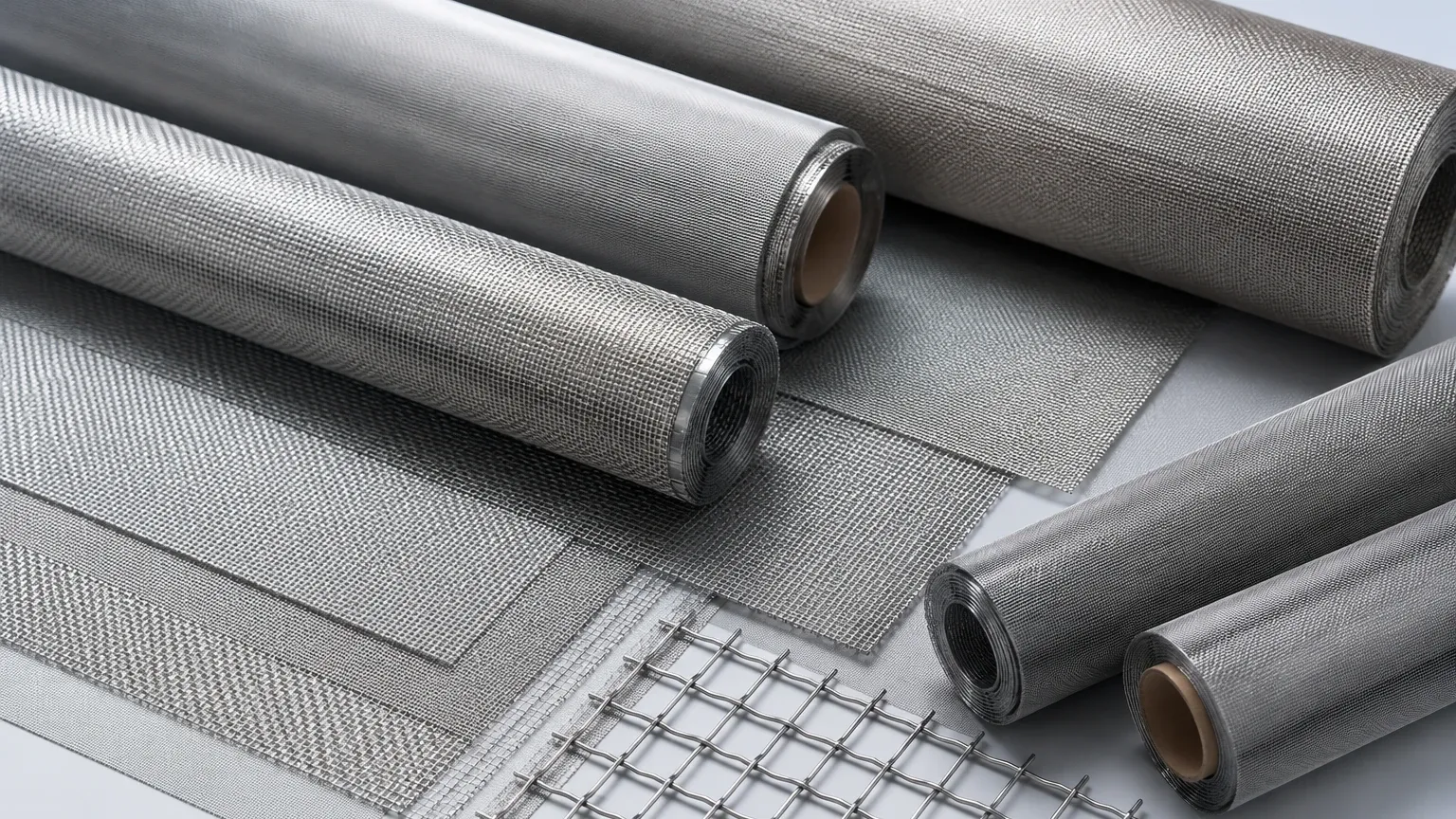
Woven wire mesh is a versatile material produced by weaving metallic wires on industrial looms. The resulting structure provides a stable and precise aperture size, making it ideal for sieving, straining, and filtering. For industrial applications, the specifications are typically defined by several key factors:
1. Mesh Count and Micron Rating
The mesh count refers to the number of openings per linear inch. A higher mesh count indicates a finer opening. However, for engineering purposes, the micron rating (the size of the particle that the mesh will effectively stop) is often a more critical metric. In high-precision industries like pharmaceuticals or fine chemical processing, understanding the difference between absolute and nominal micron ratings is vital for ensuring process consistency.
2. Wire Diameter
The diameter of the wire used in the weaving process directly impacts the mesh's open area and mechanical strength. A thicker wire increases durability and resistance to high-pressure differentials but reduces the percentage of open area, which can lead to higher pressure drops across the filter. Finding the balance between structural integrity and flow efficiency is a core engineering challenge.
3. Weave Types
Different weave patterns offer distinct advantages depending on the application:
* Plain Weave: The most common type, where each warp wire crosses over and under each shute wire. It provides high flow rates and is easy to clean.
* Twill Weave: Each shute wire passes over and under two warp wires. This allows for thicker wires and a heavier mesh for a given mesh count, increasing strength.
* Dutch Weave (Plain and Twill): These weaves use different diameters for warp and shute wires, resulting in a dense, strong mesh with very fine filtration capabilities. This is often the preferred choice for high-pressure hydraulic and fuel filtration.
Industrial Applications in the Philippine Market
The Philippines' diverse industrial sectors require specialized filtration solutions. Understanding how Woven Wire Mesh integrates into these sectors helps in selecting the correct specification.
Food and Beverage Processing
In the food industry, hygiene and corrosion resistance are paramount. Stainless steel mesh is used for filtering syrups, oils, and beverages. It must withstand rigorous Clean-in-Place (CIP) cycles and comply with food safety standards. SS304 is often sufficient, but for high-salinity or acidic environments, SS316L is recommended to prevent pitting corrosion.
Mining and Mineral Processing
The Philippine mining sector operates in harsh environments where abrasive materials are common. Woven wire mesh is utilized in vibrating screens and slurry filtration. Here, the mechanical strength and wear resistance of the mesh are the primary concerns. Custom-framed panels and heavy-duty wire diameters are often necessary to withstand the physical stresses of ore processing.
Chemical and Petrochemical Industry
Chemical processing requires filtration media that can survive exposure to aggressive solvents and high temperatures. Stainless steel's inherent chemical compatibility makes it the material of choice. Engineers must carefully evaluate the alloy grade to ensure it can handle the specific chemical composition of the process fluid without degrading.
Water Treatment and Desalination
With the Philippines' extensive coastline, desalination and water treatment are critical. Woven wire mesh serves as a pre-filtration stage to protect sensitive membranes from large particulates. In these marine environments, the use of SS316L or even more specialized alloys is essential to combat the corrosive effects of seawater.
Key Criteria for Choosing a Woven Wire Mesh Supplier Philippines
Identifying a competent woven wire mesh supplier philippines involves more than comparing price lists. A technical partner should provide value through expertise and quality assurance.
Material Traceability and Certification
Industrial filters are only as good as the raw materials used. A reputable supplier should provide Mill Test Reports (MTRs) that verify the chemical composition of the stainless steel. This ensures that the "SS316L" mesh you receive actually contains the necessary molybdenum content to resist corrosion in your specific environment.
OEM and Customization Capabilities
Off-the-shelf solutions rarely fit specialized industrial equipment perfectly. Whether you need specific roll widths, custom-cut discs, or mesh integrated into complex filter cartridges, your supplier should have the manufacturing capability to provide OEM services. This includes the ability to weld, frame, or pleat the mesh according to engineering drawings.
Technical Support and Selection Advice
A supplier should act as a technical resource. They should be able to assist in calculating the required open area, predicting pressure drops, and suggesting the most cost-effective weave type for your target micron rating. If a supplier cannot discuss the engineering nuances of your application, they may not be the right partner for critical industrial processes.
Engineering Considerations for Filtration Efficiency
When integrating Woven Wire Mesh into a system, engineers must account for the following performance variables:
Pressure Drop (ΔP)
The resistance to flow caused by the filter media is a critical factor. An excessive pressure drop can strain pumps and reduce system efficiency. The open area percentage of the mesh is the primary driver of ΔP. Engineers must ensure that the chosen mesh count and wire diameter allow for sufficient flow at the operating pressure.
Mechanical Strength and Burst Pressure
In high-pressure applications, such as hydraulic systems, the mesh must resist deformation. If the pressure differential across the filter becomes too high (due to clogging or high flow rates), the mesh could burst or bypass. Using a support mesh or choosing a Dutch weave can enhance the structural integrity of the filter element.
Cleaning and Reusability
One of the primary advantages of stainless steel woven wire mesh over disposable media is its cleanability. Ultrasonic cleaning, backwashing, or chemical cleaning can restore the mesh to its original performance levels. The ease of cleaning depends on the weave type; plain weaves are generally easier to clean than complex Dutch weaves.
Material Selection: SS304 vs. SS316L in Tropical Climates
In the Philippines, the tropical climate and proximity to the ocean introduce high humidity and salt-laden air, which can accelerate corrosion.
* SS304: Suitable for most indoor industrial applications, fresh water filtration, and general-purpose screening. It offers excellent strength and cost-effectiveness.
* SS316L: Contains molybdenum, which provides superior resistance to chlorides and pitting. For any application involving seawater, coastal environments, or aggressive chemicals, SS316L is the industry standard for ensuring a long service life.
Choosing the wrong grade can lead to premature failure, resulting in costly downtime and potential contamination of the process stream.
Total Cost of Ownership and Maintenance
While the initial purchase price is a factor, the total cost of ownership (TCO) is a more accurate measure of value. High-quality Woven Wire Mesh from a reliable manufacturer may have a higher upfront cost but offers:
1. Longer Service Life: Better resistance to wear and corrosion means fewer replacements.
2. Reduced Downtime: Reliable filtration prevents damage to downstream equipment like pumps and valves.
3. Consistent Product Quality: Precise aperture sizes ensure that your final product meets its required specifications every time.
Regular inspection cycles should be established to check for signs of mesh blinding (permanent clogging), mechanical damage, or corrosion. Establishing a proactive replacement schedule based on pressure drop indicators is the best way to maintain system efficiency.
Conclusion: Selecting the Right Partner
For engineers and procurement teams in the Philippines, the search for a woven wire mesh supplier philippines should focus on technical competence and manufacturing quality. By understanding the nuances of weave types, material grades, and engineering parameters, you can ensure that your filtration systems operate at peak performance.
At Kaifil, we specialize in providing high-precision stainless steel filtration solutions tailored to demanding industrial environments. Our expertise in manufacturing and material selection allows us to support global customers with reliable, durable, and cost-effective filtration components. Whether you require standard rolls or custom-engineered filter elements, we provide the technical depth necessary to solve your most challenging filtration problems.
