


Hayward Filter Cartridges
In the realm of industrial water treatment and fluid management, Hayward filter cartridges represent a standard for high-flow, high-efficiency filtration. These components are critical for maintaining the clarity and purity of water in various systems, ranging from commercial aquatic facilities to light industrial process loops. For engineers and procurement professionals, understanding the technical nuances of these cartridges—including their construction, performance metrics, and application limits—is essential for optimizing system uptime and reducing total cost of ownership.
Industrial filtration requires a balance between flow rate, filtration fineness, and structural integrity. While Hayward is a household name in pool and spa management, their cartridge technology is rooted in engineering principles that apply to broader fluid processing environments. This guide examines the technical specifications of these cartridges, the importance of material selection, and how they compare to specialized industrial Filter Cartridges used in more demanding chemical or high-temperature applications.
Understanding the Engineering of Pleated Filter Cartridges
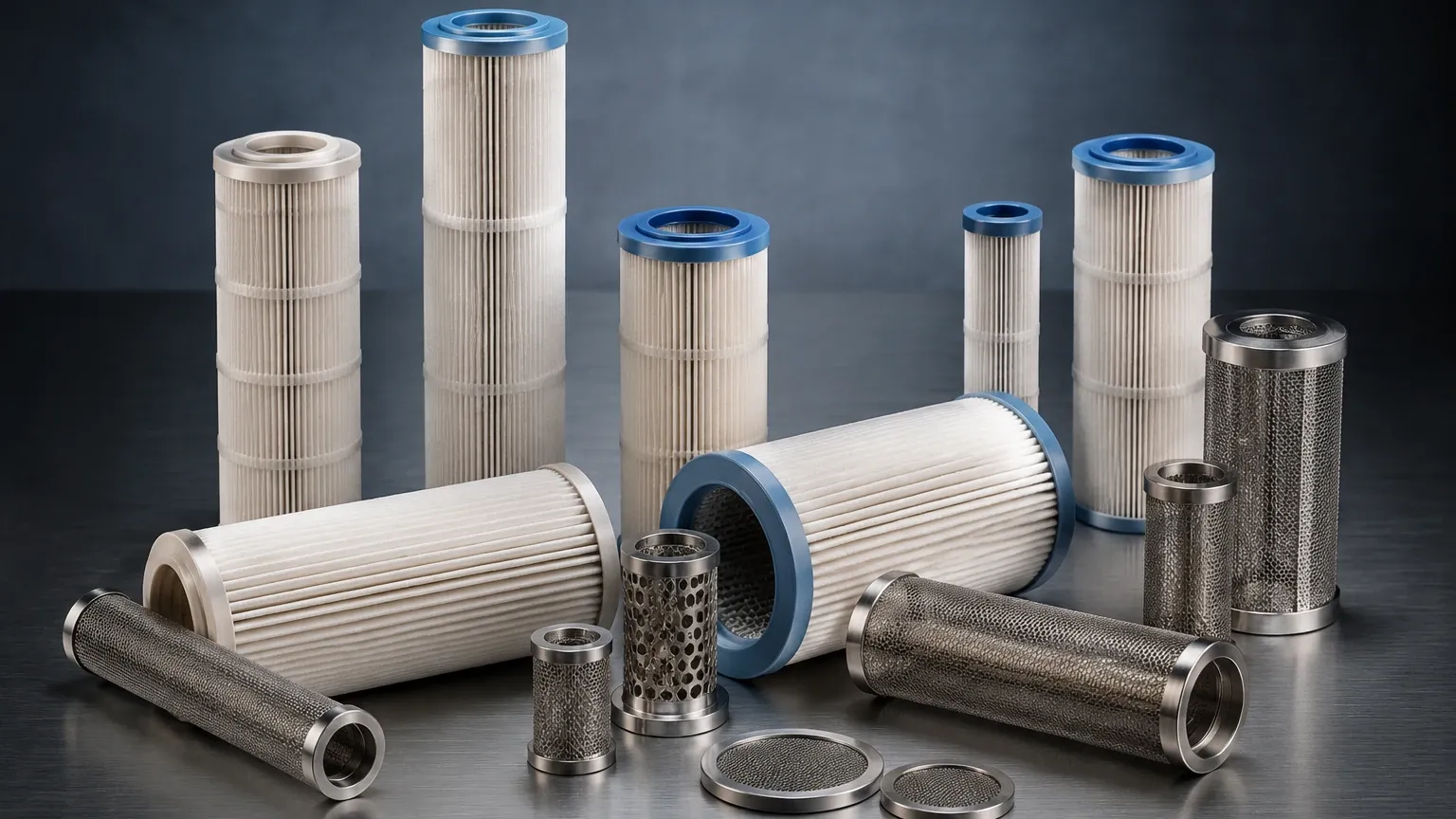
The primary design philosophy behind Hayward filter cartridges is the maximization of surface area. Most models utilize a pleated media design, typically constructed from high-quality polyester or similar synthetic polymers. By folding the media into a series of pleats around a central core, the effective filtration area is increased significantly compared to depth filters of the same physical dimensions.
Media Composition and Surface Area
The choice of media is fundamental to the cartridge's performance. Spun-bond polyester is frequently used because of its excellent wet strength and resistance to biological growth. The pleat count and pleat depth are carefully engineered to ensure that fluid can pass through the media with minimal resistance while trapping particulates. A higher surface area translates to a lower face velocity (the speed at which the fluid passes through the media), which improves filtration efficiency and extends the time between cleaning or replacement cycles.
Structural Components: Cores and End Caps
Beyond the media, the structural integrity of the cartridge is maintained by the internal core and the end caps. In standard hayward filter cartridges, the core is often made of reinforced PVC or polypropylene, designed to withstand the inward pressure (differential pressure) as the filter becomes loaded with debris. The end caps serve two purposes: they provide a seal against the filter housing to prevent bypass and they bond the pleats together to ensure uniform flow. For industrial applications where chemical compatibility or temperature extremes are a concern, engineers must evaluate whether these plastic components are sufficient or if a transition to metal-reinforced components is necessary.
Key Performance Metrics for Industrial Selection
When selecting or replacing filter cartridges, engineers must look beyond brand names and focus on empirical data. The following metrics are critical for ensuring the filtration system meets the process requirements.
Micron Rating: Nominal vs. Absolute
One of the most common points of confusion in filtration procurement is the micron rating. Most pleated cartridges, including many hayward filter cartridges, are rated nominally. A nominal rating indicates the filter's ability to trap a certain percentage (often 60% to 90%) of particles of a specific size. In contrast, absolute-rated filters are designed to capture 99.9% of particles at the specified micron level. For general water circulation, nominal ratings are usually sufficient, but for critical process water in pharmaceutical or food and beverage sectors, absolute filtration is often required.
Clean Pressure Drop and Dirt-Holding Capacity
The "clean pressure drop" refers to the loss in fluid pressure across a new filter cartridge at a specific flow rate. A low initial pressure drop is desirable as it reduces the energy required by the pump. As the filter traps contaminants, the pressure drop increases. The "dirt-holding capacity" (DHC) defines the total mass of contaminants the cartridge can hold before the pressure drop reaches a terminal point, necessitating a change-out. High-quality cartridges maintain a consistent pore structure even under increasing pressure, preventing "unloading," where trapped particles are forced through the media.
Application Environments and Material Compatibility
While hayward filter cartridges are exceptionally effective in water-based applications with neutral pH levels, industrial environments often present more complex challenges. It is vital to confirm that the cartridge materials are compatible with the specific fluid chemistry and operating temperatures of the system.
Chemical Resistance
Polyester media and plastic cores are resistant to many common water treatment chemicals, such as chlorine and bromine. However, in B2B industrial settings involving solvents, strong acids, or high-alkalinity cleaners, synthetic cartridges may degrade. In such cases, stainless steel wire mesh or sintered metal cartridges are preferred. Engineers should consult compatibility charts to ensure that the gaskets (often EPDM or Nitrile) and the media itself will not swell or become brittle over time.
Temperature Constraints
Standard synthetic filter cartridges typically have a maximum operating temperature of around 140°F (60°C). Exceeding these temperatures can lead to the softening of the plastic core or the breakdown of the thermal bonding between the media and the end caps. For high-temperature boiler feed water or steam filtration, metal-based Filter Cartridges are the standard engineering choice, as they maintain structural rigidity up to several hundred degrees.
Maintenance Protocols and Replacement Cycles
Effective maintenance is the key to maximizing the lifespan of hayward filter cartridges and ensuring the longevity of the entire filtration system. In industrial contexts, maintenance is usually driven by differential pressure (ΔP) monitoring.
Monitoring Differential Pressure
Most industrial filter housings are equipped with pressure gauges on the inlet and outlet ports. A common rule of thumb is to clean or replace the cartridge when the differential pressure reaches 8-10 PSI above the clean starting pressure. Operating a system with a high ΔP not only reduces flow but also risks collapsing the internal core of the cartridge or causing the media to rupture, leading to catastrophic system contamination.
Cleaning vs. Replacement
One of the advantages of pleated polyester cartridges is that they are often washable. In many water-loop applications, the cartridges can be removed and hosed down to remove surface debris. However, it is important to note that cleaning only removes surface-level contaminants. Over time, fine particulates become embedded deep within the fibers of the media, leading to a higher "baseline" pressure drop even after cleaning. Eventually, the cartridge will reach a state of permanent fouling and must be replaced to restore system efficiency.
Common Risks in Cartridge Filtration
Engineers must be aware of several risks that can compromise the effectiveness of a filtration installation. Identifying these early can prevent costly downtime.
1. Bypass: This occurs when fluid flows around the cartridge rather than through the media. It is usually caused by improperly seated end caps, worn-out gaskets, or using a cartridge that is slightly the wrong size for the housing. Even a 1% bypass can significantly degrade the downstream water quality.
2. Media Migration: In lower-quality cartridges, the fibers of the filter media can break off and enter the filtrate. This is a major concern in high-purity applications. High-quality hayward filter cartridges use thermally bonded fibers to minimize this risk.
3. Biological Fouling: In systems with low flow or high organic loads, bacteria can grow within the pleats of the filter. This not only clogs the filter quickly but can also introduce contaminants into the process. Regular sanitization of the filter housing is required in these environments.
Transitioning to Custom Industrial Solutions
For many standard water treatment tasks, hayward filter cartridges provide a reliable and cost-effective solution. However, as industrial processes become more specialized, the limitations of standard synthetic cartridges often become apparent. This is where custom-engineered filtration components become necessary.
When to Consider Stainless Steel Alternatives
If a process involves high pressures (exceeding 50 PSI differential), extreme temperatures, or aggressive chemicals, stainless steel wire mesh filters offer a more durable alternative. Unlike synthetic media, stainless steel cartridges can be ultrasonically cleaned and reused almost indefinitely, providing a lower long-term cost in specific industrial niches. Furthermore, stainless steel allows for precise control over pore size and distribution, which is essential for high-accuracy separation tasks.
The Role of OEM Customization
Many industrial equipment manufacturers require filtration components that fit unique housing geometries or meet specific flow dynamics. Working with a manufacturer that specializes in custom Filter Cartridges allows for the development of bespoke solutions. This includes selecting specific grades of stainless steel (such as 304 or 316L), customizing the pleat geometry for high-viscosity fluids, and engineering reinforced cores that can withstand hydraulic surges.
Conclusion: Making Informed Procurement Decisions
Selecting the right hayward filter cartridges or their industrial equivalents requires a thorough understanding of the application's physical and chemical demands. For purchasing teams, the focus should remain on the technical validation of the cartridge's micron rating, material compatibility, and structural limits.
Before finalizing a purchase or specifying a filter for a new system, engineers should confirm:
* The exact dimensions and end-cap configuration required for a leak-proof seal.
* The expected flow rate and the corresponding clean pressure drop.
* The nature of the contaminants (size, shape, and concentration) to determine the appropriate micron rating.
* The chemical and thermal environment to ensure material longevity.
By prioritizing these factual engineering considerations over generic marketing claims, industrial facilities can ensure consistent fluid quality, protect downstream equipment, and optimize their maintenance schedules. Whether utilizing standard hayward filter cartridges for water circulation or seeking custom metal filtration solutions for complex processing, the goal remains the same: efficient, reliable, and predictable filtration performance.
