


Lenticular Filter Cartridges
In the landscape of industrial liquid processing, lenticular filter cartridges represent a sophisticated evolution of depth filtration technology. Originally designed to overcome the limitations of traditional plate and frame filters, these modular systems provide a closed, hygienic environment for high-precision separation tasks. For engineers and procurement teams in the chemical, pharmaceutical, and food and beverage sectors, understanding the technical nuances of lenticular design is essential for optimizing process efficiency and ensuring product consistency.
Lenticular filtration utilizes a series of stacked filter discs, often composed of cellulose, resins, and inorganic filter aids like diatomaceous earth or perlite. Unlike surface filtration, which captures particles on a single plane, these Filter Cartridges leverage a thick, porous matrix to trap contaminants throughout the depth of the media. This article examines the engineering principles, material considerations, and selection criteria necessary for implementing lenticular technology in demanding industrial environments.
The Engineering Principles of Lenticular Filtration
Lenticular filter cartridges operate on the principle of depth filtration combined with a modular, vertical stack design. Each "lens" or disc in the stack consists of two layers of filter media separated by a drainage spacer. The edges of these discs are sealed, typically with a thermally bonded polypropylene or stainless steel ring, to prevent bypass and ensure that all fluid passes through the media.
Depth Filtration Mechanisms
The primary mechanism in these cartridges is mechanical straining, where particles larger than the pore size are trapped within the fibrous matrix. However, lenticular media often incorporates an electrokinetic component. Through the use of specialized resins, the media carries a positive charge (zeta potential), which allows it to adsorb negatively charged particles—such as bacteria, endotoxins, and colloidal hazes—that are significantly smaller than the physical pore size of the filter.
Flow Dynamics
In a lenticular housing, the fluid enters the vessel and surrounds the cartridge stack. The pressure differential forces the liquid through the depth media into the internal drainage spacers. From there, the filtrate flows toward the central core and exits through the bottom or top of the housing. This design maximizes the filtration surface area within a compact footprint, allowing for high flow rates without the footprint requirements of traditional horizontal filter presses.
Design and Material Construction
The structural integrity of lenticular filter cartridges is a critical factor in their performance, particularly in high-temperature or high-pressure applications. While the filter media itself is often cellulose-based, the hardware that supports and seals the stack must be engineered for durability.
Support Components and Core Structures
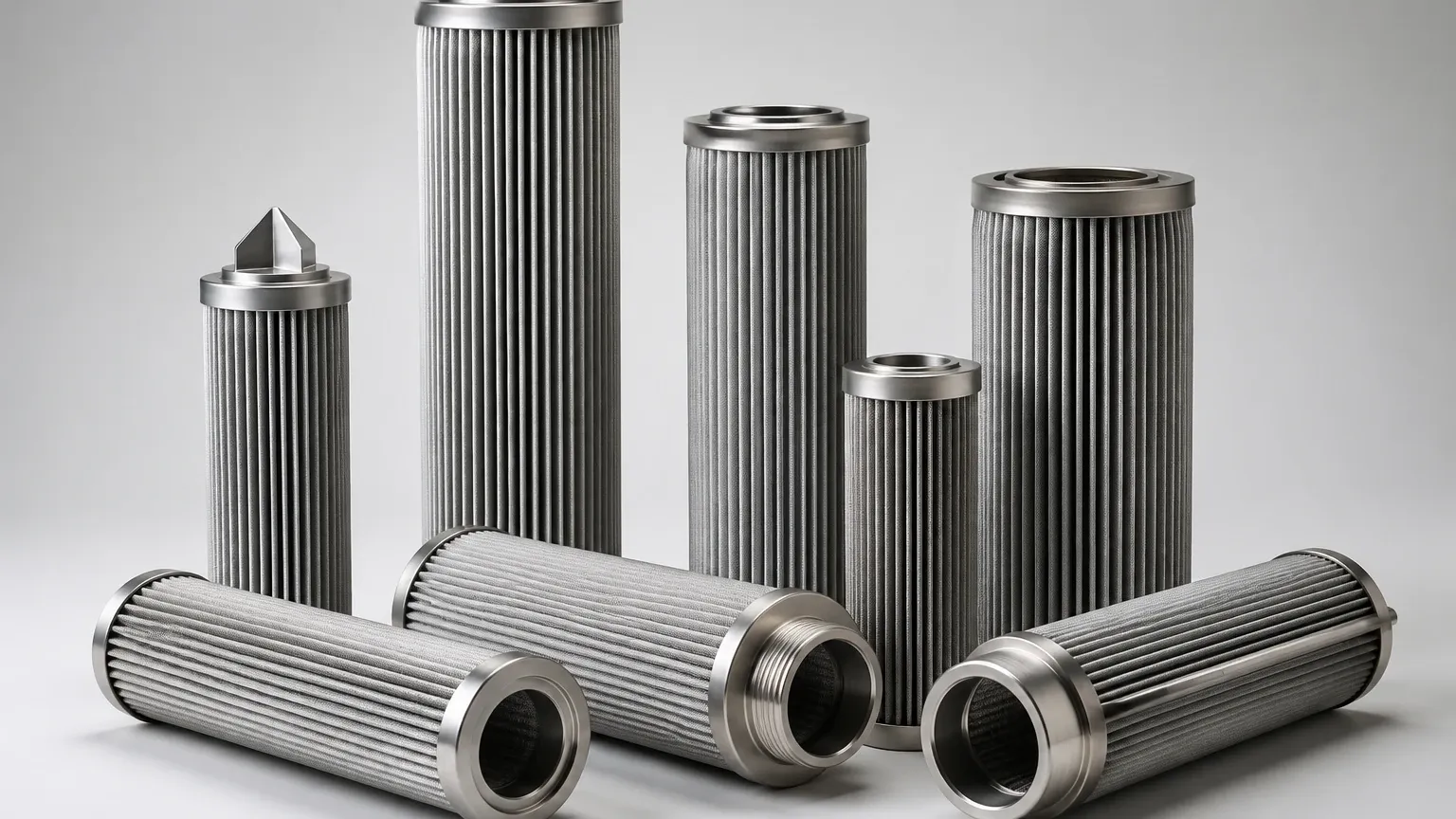
Industrial-grade lenticular cartridges require robust internal support to prevent the media from collapsing under differential pressure. Manufacturers like Kaifil specialize in precision metal components, often utilizing 304 or 316L stainless steel for the center cores and reinforcement rings. Stainless steel hardware provides superior resistance to thermal expansion and chemical degradation compared to standard plastics, making it the preferred choice for pharmaceutical and chemical processing.
Sealing Systems
To maintain a closed system, the sealing mechanism between the cartridge and the housing is paramount. Common configurations include the Double Open End (DOE) with flat gaskets or the more secure "Bayonet" or Code 7 style adapters with O-rings. The choice of elastomer (EPDM, Silicone, Viton, or Nitrile) must be dictated by the chemical compatibility of the process fluid and the sterilization temperatures required (e.g., Autoclave or Steam-in-Place).
Performance Metrics and Selection Criteria
When selecting lenticular filter cartridges for a specific application, engineers must evaluate several performance variables to ensure the system meets both throughput and purity requirements.
Micron Ratings and Retention Efficiency
Lenticular media is typically categorized by nominal micron ratings, ranging from coarse clarification (20 microns) to fine sterile-grade filtration (0.2 microns). Because depth filtration relies on a complex matrix, the retention efficiency is often expressed as a percentage. It is vital to confirm whether a rating is "nominal" or "absolute" based on the specific standards of the industry, such as the Beta Ratio used in hydraulic and chemical applications.
Dirt-Holding Capacity
One of the primary advantages of lenticular technology is its high dirt-holding capacity. Unlike pleated surface filters that can blind quickly when exposed to high solids loading, the depth of the lenticular disc allows for the accumulation of significant particulate matter before the terminal differential pressure is reached. This leads to longer cycle times and reduced downtime for filter changes.
Flow Flux and Viscosity
The flow rate per unit of surface area (flux) is heavily influenced by the viscosity of the liquid. For high-viscosity fluids like syrups or heavy oils, the flux must be reduced to prevent premature clogging and to maintain the integrity of the depth matrix. Engineers should calculate the total surface area required based on the maximum allowable pressure drop ($ΔP$) and the desired flow rate ($Q$).
Industrial Applications and Process Integration
Lenticular filter cartridges are utilized across diverse industries where clarity and microbial stability are critical. Their closed-system design is particularly valued for preventing oxidation and environmental contamination.
Food and Beverage Processing
In the wine and brewing industries, lenticular filters are used for "polishing" and final stabilization. They effectively remove yeast, proteins, and polyphenols that cause haze, ensuring the product remains clear in the bottle. Because the system is enclosed, it prevents the loss of volatile aromas and protects the beverage from exposure to oxygen, which is a significant risk in open plate-and-frame systems.
Pharmaceutical and Biotech
For pharmaceutical applications, the ability to remove endotoxins via zeta potential is a key benefit. Lenticular cartridges are often used in the primary clarification of fermentation broths or the removal of precipitated proteins. In these settings, the cartridges must meet USP Class VI plastics testing and be manufactured in cleanroom environments to ensure they are pyrogen-free.
Chemical and Industrial Fluids
In the production of fine chemicals, resins, and solvents, stainless steel-reinforced lenticular cartridges provide the necessary chemical resistance. They are used to remove catalysts, carbon fines, and other impurities from process streams where high temperatures or aggressive solvents would degrade standard polymeric filters.
Operational Risks and Maintenance Protocols
While lenticular cartridges offer high performance, improper operation can lead to mechanical failure or process contamination. Engineers must implement rigorous operational protocols to mitigate these risks.
Differential Pressure Management
The most common cause of failure in lenticular systems is exceeding the maximum recommended differential pressure. As the depth media loads with contaminants, the $ΔP$ increases. If the pressure exceeds the structural limits of the media or the support core, "breakthrough" can occur, where contaminants are forced through the filter into the clean stream. Automated monitoring of upstream and downstream pressure is recommended.
Regeneration and Backwashing
Some lenticular filter cartridges can be regenerated to extend their service life. This typically involves a warm water flush or a chemical wash to dislodge surface-loaded solids. However, it is important to note that depth filters cannot be backwashed in the same way as wire mesh or pleated surface filters, as the reverse flow can damage the internal structure of the cellulose matrix. Regeneration should always follow the manufacturer's specific guidelines regarding flow direction and temperature.
Sterilization Procedures
For hygienic processes, the cartridges must withstand sterilization. Steam-in-Place (SIP) is a common method, but it subjects the cartridge to significant thermal stress. Ensuring that the cartridge has a stainless steel support structure can prevent warping or bypass during these high-temperature cycles.
Economic Considerations and Total Cost of Ownership
The decision to implement lenticular technology should be based on the Total Cost of Ownership (TCO) rather than the initial purchase price of the cartridges. Several factors contribute to the long-term economic profile of these systems:
1. Reduced Product Loss: The closed design of lenticular housings minimizes product loss due to leakage or evaporation, which is common in open-filter presses.
2. Labor Savings: Changing a lenticular stack is significantly faster than re-dressing a plate and frame filter with individual sheets, leading to lower labor costs and reduced equipment downtime.
3. Disposal Costs: While lenticular cartridges are a consumable item, their high dirt-holding capacity often results in fewer filter changes per hectoliter of product processed, reducing the volume of waste generated.
Customization and OEM Engineering Support
Every industrial process has unique requirements regarding flow, temperature, and chemical compatibility. Standard off-the-shelf solutions may not always provide the optimal balance of performance and cost. This is where custom manufacturing and OEM expertise become invaluable.
Kaifil provides specialized support for engineers looking to integrate high-performance filtration into their systems. By offering customized stainless steel components and tailored filtration media configurations, Kaifil ensures that the Filter Cartridges meet the exact specifications of the application. Whether it is adjusting the micron rating for a specific chemical process or engineering a reinforced core for high-pressure hydraulic applications, customized solutions help eliminate the risks associated with generic filtration products.
When evaluating a supplier for lenticular filter cartridges, technical teams should confirm the manufacturer's ability to provide material certifications (such as FDA or EU food contact compliance), pressure testing data, and guidance on chemical compatibility. By focusing on factual performance data and engineering integrity, B2B buyers can secure filtration solutions that enhance process reliability and product quality.
