


Yp Filter
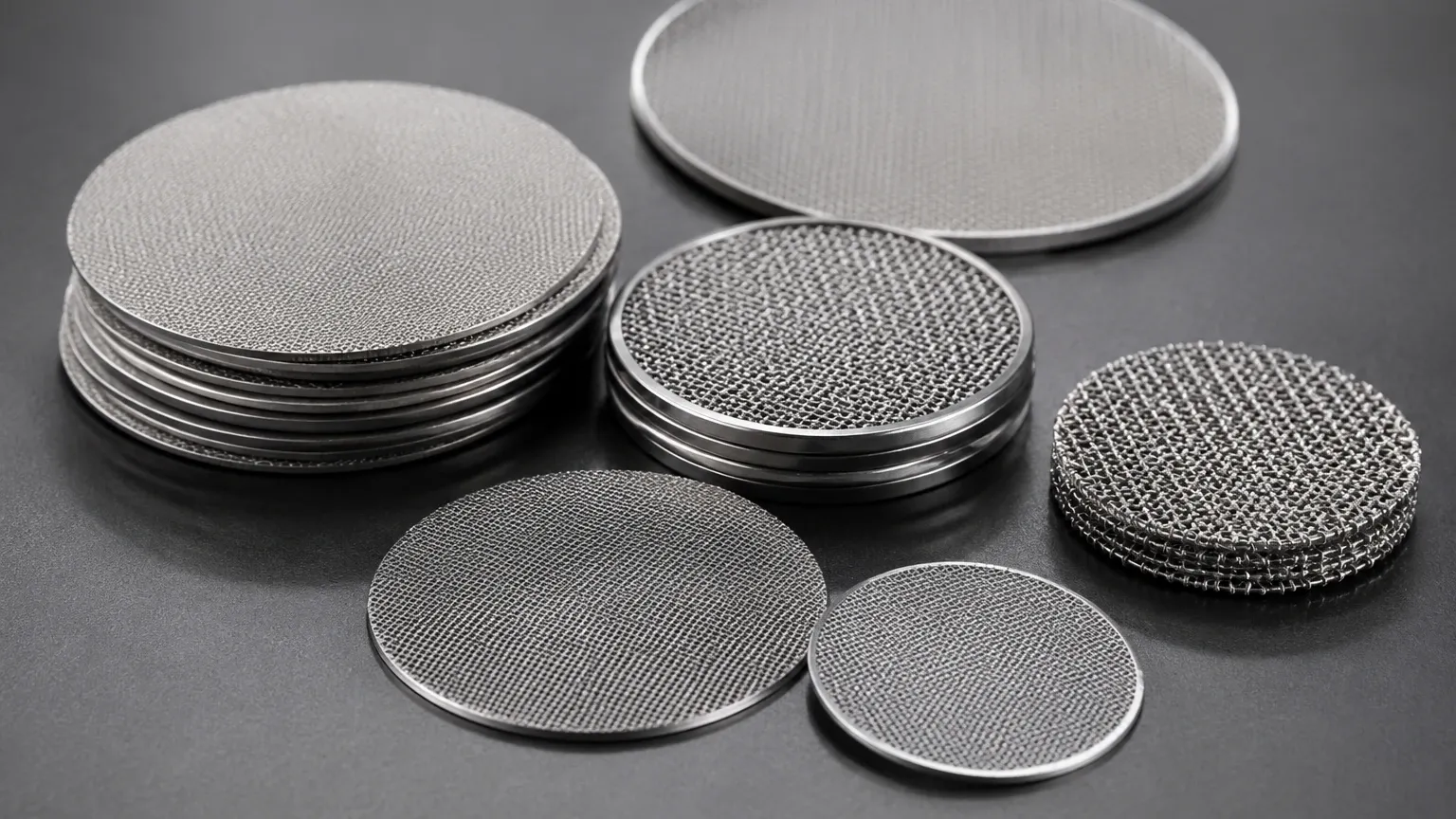
In the complex landscape of industrial separation and fluid purification, the yp filter represents a specialized category of filtration components designed for high-pressure and high-temperature environments. Often integrated into systems as part of a broader assembly of Filter Discs & Packs, these components are engineered to withstand the rigorous demands of polymer processing, chemical manufacturing, and hydraulic power systems. Understanding the technical specifications, material properties, and structural configurations of these filters is essential for engineers and procurement professionals aiming to optimize process efficiency and protect downstream equipment.
Industrial filtration is rarely a one-size-fits-all solution. The "yp" designation typically refers to specific performance characteristics or structural designs within the wire mesh industry, often associated with yield-point considerations in high-viscosity media or specific layered configurations used in melt filtration. To select the correct filtration media, one must look beyond simple micron ratings and evaluate the mechanical integrity of the filter under operational stress.
Technical Construction of Yp Filter Components
The foundation of a high-performance yp filter lies in its material composition and the precision of its weave. Most industrial applications require the use of stainless steel, specifically grades 304, 316, or 316L, due to their exceptional resistance to corrosion and thermal degradation.
Material Selection and Alloy Properties
Stainless steel 316L is frequently the preferred choice for yp filter applications involving corrosive chemicals or high-temperature melt filtration. The low carbon content in 316L minimizes carbide precipitation during welding or high-heat operations, ensuring that the filter maintains its structural integrity over long production cycles. In environments where extreme chemical resistance is required, specialty alloys like Hastelloy or Monel may be utilized, though stainless steel remains the industry standard for the majority of Filter Discs & Packs.
Wire Mesh Weave Types
The performance of a yp filter is dictated by the geometry of the wire mesh. Engineers must choose between several primary weave types:
* Plain Weave: The most common configuration where each warp wire crosses over and under each weft wire. It provides a consistent pore size and is ideal for general-purpose filtration.
* Dutch Weave: This weave uses larger diameter warp wires and smaller weft wires, resulting in a much denser mesh. Dutch weaves are essential for high-pressure applications because they offer superior mechanical strength and finer filtration levels.
* Twilled Weave: By allowing wires to pass over two wires at a time, this weave enables the use of heavier wires for a given mesh count, increasing the durability of the filter disc.
Engineering Considerations for Filter Discs & Packs
When specifying a yp filter for an industrial system, the engineering team must consider the interaction between the filter media and the process fluid. This involves a detailed analysis of pressure drops, flow rates, and the structural design of the filter pack.
Multi-Layer Configurations
Single-layer filters are often insufficient for demanding industrial tasks. Most yp filters are constructed as multi-layer packs. These packs typically consist of a fine filtration layer sandwiched between coarser support and drainage layers. This graduated structure serves several purposes:
1. Structural Support: The coarser layers provide the rigidity necessary to prevent the fine mesh from deforming under high differential pressure.
2. Pre-filtration: The outer layers can trap larger contaminants, preventing the internal fine mesh from blinding prematurely.
3. Flow Distribution: Proper layering ensures that the fluid is distributed evenly across the entire surface area of the filter, maximizing the effective filtration area.
Sintering vs. Spot Welding
The method used to join these layers is critical. Sintered filter discs involve a process where multiple layers of mesh are bonded together using heat and pressure without the use of binders. This creates a monolithic structure that is incredibly strong and permanent. In contrast, spot-welded packs are joined at specific points. While spot welding is cost-effective for lower-pressure applications, sintered yp filters are the gold standard for high-pressure polymer extrusion and chemical processing where fiber migration or layer separation cannot be tolerated.
Applications in Industrial Processing
The versatility of the yp filter makes it a staple in several high-stakes industries. Its ability to maintain precise filtration under load is why it is frequently specified in the following sectors:
Polymer and Plastic Extrusion
In the production of synthetic fibers, films, and plastic resins, the "melt" must be filtered to remove gels, degraded polymer, and external contaminants. Filter Discs & Packs used in these extruders must handle pressures exceeding 3,000 PSI and temperatures up to 300°C. The yp filter configuration ensures that the extruded product is free of defects that could cause fiber breakage or film tearing.
Chemical and Petrochemical Filtration
Chemical processing often involves aggressive solvents and high-temperature reactions. Stainless steel filter discs are used to recover catalysts, remove impurities from intermediate products, and protect sensitive instrumentation. The corrosion resistance of the 316L mesh ensures that the filtration process does not introduce metallic contamination into the chemical stream.
Hydraulic and Lubrication Systems
Precision hydraulic systems rely on clean oil to prevent wear on valves and pumps. Yp filters are often used in high-pressure hydraulic lines to capture fine particulate matter. Their robust construction allows them to handle the rapid pressure fluctuations (surges) common in hydraulic machinery without failing.
Performance Evaluation: Beyond the Micron Rating
One of the most common mistakes in filter selection is over-emphasizing the nominal micron rating. For a yp filter to be effective, engineers must evaluate several other performance metrics:
Absolute vs. Nominal Filtration
A nominal rating indicates the ability of the filter to retain a majority of particles of a certain size. However, in critical applications, an absolute rating is required. This represents the diameter of the largest hard spherical particle that will pass through the filter under specified test conditions. For high-precision Filter Discs & Packs, knowing the absolute rating is essential for guaranteeing downstream purity.
Dirt-Holding Capacity
This refers to the total amount of contaminant a filter can retain before the pressure drop reaches a terminal level. A filter with a high dirt-holding capacity will have a longer service life, reducing the frequency of shutdowns for filter changes. This is often achieved through the use of pleated designs or specific multi-layer depth filtration structures within the yp filter assembly.
Pressure Drop (Delta P)
The resistance to flow created by the filter is known as the pressure drop. A high initial pressure drop limits the remaining operational window of the filter. Engineering the mesh count and wire diameter correctly allows for a yp filter that balances fine filtration with a low clean pressure drop, optimizing the energy efficiency of the pump or extruder.
Customization and OEM Requirements
Every industrial system has unique spatial and operational constraints. Standard off-the-shelf filters rarely meet the exact needs of specialized machinery. This is where customized solutions become necessary.
When ordering Filter Discs & Packs, procurement teams should be prepared to provide the following specifications to the manufacturer:
* Outer and Inner Diameters: Precise tolerances are required to ensure a proper seal within the filter housing and prevent bypass.
* Rim Materials: The edges of the filter discs are often bound with a metal rim (aluminum, stainless steel, or copper). The choice of rim material depends on the sealing mechanism of the machine and the operating temperature.
* Layer Sequence: The specific order of mesh counts (e.g., 20/100/500/100/20) must be tailored to the viscosity of the fluid and the nature of the contaminants.
Maintenance and Total Cost of Ownership
While the initial purchase price of a yp filter is a factor, the total cost of ownership (TCO) is a more accurate measure of value. TCO includes the cost of the filter, the labor required for replacement, the cost of production downtime, and the potential risk of equipment damage due to filter failure.
Cleaning and Reusability
One of the primary advantages of stainless steel yp filters is their cleanability. Unlike disposable paper or polymer filters, metal mesh can be cleaned using ultrasonic baths, chemical solvents, or burnout ovens (for polymer removal). A well-maintained filter pack can be reused multiple times, significantly lowering the long-term cost per gallon or ton of filtered product.
Monitoring for Replacement
Engineers should implement pressure transducers upstream and downstream of the filter assembly. By monitoring the differential pressure, operators can determine the exact moment a filter reaches its dirt-holding limit. Replacing the filter too early wastes remaining capacity, while replacing it too late risks a "breakthrough" where contaminants are forced through the media or the media itself ruptures.
Conclusion
The yp filter is a critical component for any industrial process that demands high-precision separation under challenging conditions. By focusing on the nuances of wire mesh construction, material science, and structural engineering, manufacturers can produce Filter Discs & Packs that not only protect equipment but also enhance the quality of the final product. Whether in the extrusion of high-performance plastics or the purification of industrial chemicals, the right filtration strategy is a cornerstone of operational excellence. When selecting these components, partner with a manufacturer that understands the technical rigors of your specific application and can provide the customized engineering support necessary to ensure long-term reliability.
