


Aquaculture Filtration Equipment
In the industrial aquaculture sector, maintaining water quality is the primary factor determining biological success and operational profitability. Whether operating a Recirculating Aquaculture System (RAS), a flow-through facility, or a large-scale hatchery, the management of suspended solids, pathogens, and metabolic waste depends heavily on the performance of aquaculture filtration equipment. High-quality filtration ensures that fish, crustaceans, and other aquatic species remain healthy while maximizing growth rates and minimizing the risk of disease outbreaks.
Industrial-grade filtration components, particularly those constructed from stainless steel, offer the durability and precision required to handle the high flow rates and corrosive environments typical of modern aquaculture. This guide explores the technical aspects of selecting and implementing filtration solutions, focusing on mechanical separation and the engineering considerations necessary for long-term reliability.
Understanding the Role of Mechanical Filtration in Aquaculture
Mechanical filtration serves as the first line of defense in any water treatment train. Its primary objective is the removal of Total Suspended Solids (TSS), which include uneaten feed, fecal matter, and organic debris. If left unmanaged, these solids decompose, leading to elevated levels of ammonia and nitrite, which are toxic to aquatic life. Furthermore, high solids loading can clog downstream biological filters and provide a substrate for harmful bacterial growth.
In the context of aquaculture filtration equipment, mechanical separation is typically achieved through physical barriers such as wire mesh screens, perforated plates, or depth-style cartridges. The efficiency of these components is measured by their micron rating—the size of the smallest particle the filter can reliably capture. For most intensive aquaculture applications, filtration requirements range from 20 to 100 microns for primary solids removal, while finer filtration may be required for specific hatchery or research applications.
Key Types of Aquaculture Filtration Equipment
Selecting the right equipment requires an understanding of the specific filtration mechanism and how it integrates into the overall system hydraulics. Common configurations include:
Drum Filters and Rotary Screens
Drum filters are widely used in RAS for continuous solids removal. These systems utilize a rotating drum covered in a fine stainless steel wire mesh. As water flows through the drum, solids are trapped on the inner surface. A backwash system then sprays the mesh, flushing the waste into a collection trough. The choice of mesh is critical here; it must provide a high open area to maintain flow while possessing the structural integrity to withstand constant rotation and high-pressure backwashing.
Pressure and Gravity Sand Filters
While traditional sand filters use media to trap particles, many modern industrial systems incorporate stainless steel internal components, such as lateral pipes and nozzles, to optimize flow distribution and prevent media loss. These systems are effective for finer particle removal but require careful monitoring of pressure drops across the bed.
Intake Screens and Basket Strainers
For facilities drawing water from natural sources like rivers or oceans, intake screens are essential. These prevent the entry of large debris, predators, and invasive species. Wedge wire screens are often preferred for this application due to their non-clogging V-shaped profile and high mechanical strength. Inside the facility, basket strainers protect pumps and heat exchangers from damage caused by stray debris.
Cartridge and Bag Filters
In specialized applications, such as high-density hatcheries or UV pretreatment, stainless steel filter cartridges are used for precision filtration. Unlike disposable polymer filters, stainless steel cartridges can be cleaned and reused, providing a more sustainable and cost-effective solution for industrial-scale operations.
Material Engineering: Why Stainless Steel is Essential
Aquaculture environments are inherently challenging for materials. Constant exposure to water, varying pH levels, and, in many cases, high salinity (seawater) necessitates the use of corrosion-resistant alloys. Stainless steel is the industry standard for high-performance aquaculture filtration equipment for several reasons:
1. Corrosion Resistance: Grade 304 stainless steel is suitable for freshwater applications, providing excellent resistance to oxidation. For brackish or marine environments, Grade 316L is mandatory. The addition of molybdenum in 316L enhances resistance to pitting and crevice corrosion caused by chlorides.
2. Structural Integrity: Unlike plastics, stainless steel can withstand significant pressure differentials without deforming. This is vital in high-flow systems where a filter failure could lead to catastrophic water quality degradation.
3. Sanitization and Hygiene: Stainless steel surfaces are non-porous and can withstand aggressive cleaning protocols, including chemical disinfection and high-temperature steam. This prevents the buildup of biofilms and pathogens that can compromise the health of the aquatic crop.
4. Longevity: While the initial investment in stainless steel components may be higher than plastic alternatives, the extended service life and reduced need for replacements result in a lower total cost of ownership.
Technical Parameters for Filter Selection
When specifying aquaculture filtration equipment, engineers must evaluate several technical parameters to ensure the system meets the biological and hydraulic demands of the project.
Flow Rate and Flux
The flow rate (liters per minute or gallons per minute) determines the size of the filtration unit. Flux, or the flow per unit of surface area, is equally important. Operating at a lower flux reduces the velocity of particles hitting the filter media, which improves capture efficiency and reduces the frequency of cleaning cycles.
Micron Rating and Particle Size Distribution
Selecting a micron rating is a balance between water clarity and maintenance. A finer mesh removes more solids but clogs faster. Engineers often perform a particle size distribution (PSD) analysis of the waste stream to determine the optimal mesh size that captures the bulk of the solids without causing excessive head loss.
Effective Filtration Area (EFA)
The EFA is the total surface area of the filter media available for water to pass through. Maximizing the EFA, through pleated designs or optimized drum diameters, allows for higher flow rates and longer intervals between backwashes.
Pressure Drop (Delta P)
The pressure drop across a filter indicates its current loading. In aquaculture, maintaining a low and stable Delta P is essential to minimize energy consumption by pumps and to ensure consistent oxygenation and water turnover.
Integrating Custom Filtration into RAS
Recirculating Aquaculture Systems (RAS) represent the pinnacle of controlled environment aquaculture. In these systems, water is continuously treated and reused, making the reliability of filtration equipment paramount. Custom-designed filtration components are often necessary to fit the unique footprints and hydraulic requirements of large-scale RAS facilities.
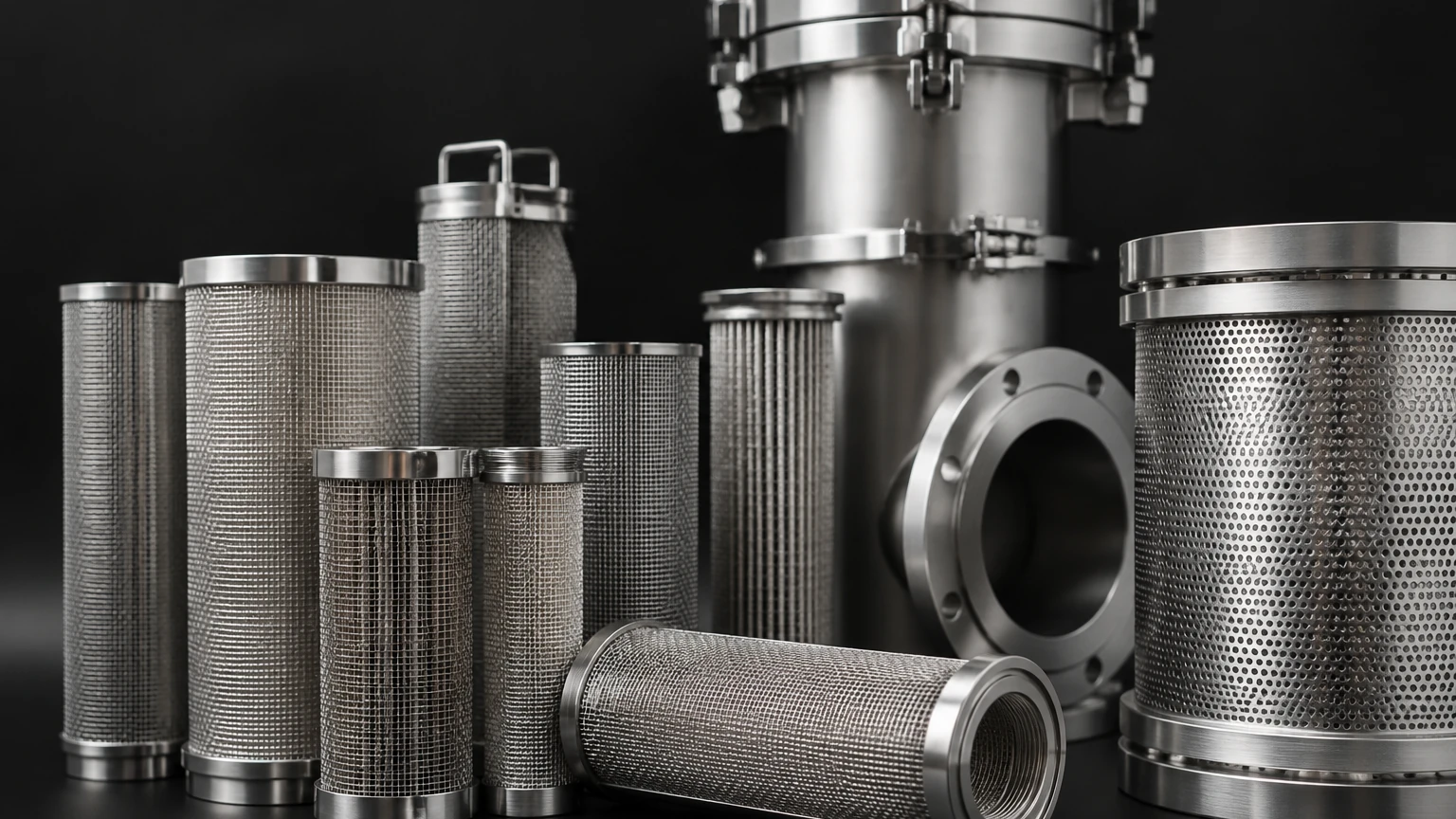
For example, custom stainless steel filter cartridges can be engineered to fit existing housings while providing improved flow characteristics or specific micron ratings. Similarly, custom wire mesh screens can be fabricated to replace worn components in proprietary drum filter systems, often offering better material grades or reinforced structures to extend service life. For those seeking specialized components, exploring a Main Page of a dedicated manufacturer can provide insights into the available customization options for industrial filtration.
Maintenance and Longevity of Industrial Filter Components
Even the most robust aquaculture filtration equipment requires a structured maintenance regime to ensure peak performance. In industrial settings, maintenance focuses on three areas:
* Cleaning Cycles: Automated backwash systems are standard for drum and disc filters. However, over time, organic "bio-fouling" or mineral scaling can occur. Periodic deep cleaning using ultrasonic baths or mild acidic solutions may be required to restore the original flow capacity of the stainless steel mesh.
* Inspection for Wear: Mechanical seals, bearings, and the mesh itself should be inspected regularly. In high-salinity environments, even 316L stainless steel should be checked for signs of localized corrosion or stress cracking.
* Replacement Cycles: While stainless steel filters are durable, they are not infinite. Establishing a replacement schedule based on the observed wear and the critical nature of the application prevents unplanned downtime. Using high-quality OEM or custom-manufactured replacement parts ensures that the system continues to operate according to its original design specifications.
Economic Considerations and Total Cost of Ownership
In B2B procurement for aquaculture, the focus should extend beyond the initial purchase price to the Total Cost of Ownership (TCO). A lower-cost plastic filter may seem attractive initially, but when factoring in the costs of frequent replacements, potential system downtime, and the impact of poor water quality on fish growth, the value proposition shifts.
Stainless steel filtration solutions offer:
* Reduced Downtime: High durability minimizes the risk of catastrophic failure.
* Lower Energy Costs: Precision-engineered screens with high open areas reduce the pumping head required to move water through the system.
* Sustainability: Reusable metal filters reduce the waste associated with disposable cartridge systems.
By investing in high-quality aquaculture filtration equipment, operators can ensure a stable environment that supports high stocking densities and rapid growth cycles, ultimately leading to a more profitable and sustainable aquaculture enterprise.
Conclusion: Selecting the Right Filtration Partner
The complexity of modern aquaculture requires a technical approach to filtration. It is not merely about removing dirt; it is about managing a biological system through precise hydraulic and material engineering. When selecting filtration components, it is essential to work with manufacturers who understand these nuances and can provide the material certifications and engineering support necessary for industrial applications.
For engineers and purchasing managers looking to optimize their water treatment systems, reviewing the technical capabilities and product ranges of specialized manufacturers is the first step toward achieving superior water quality. To learn more about customized stainless steel filtration solutions and how they can be applied to your specific aquaculture needs, you can Review product options and application support on the Kaifil website. Reliable filtration is the foundation of a successful aquaculture operation, and selecting the right components today ensures the productivity of the facility for years to come.
