


Condenser Plate
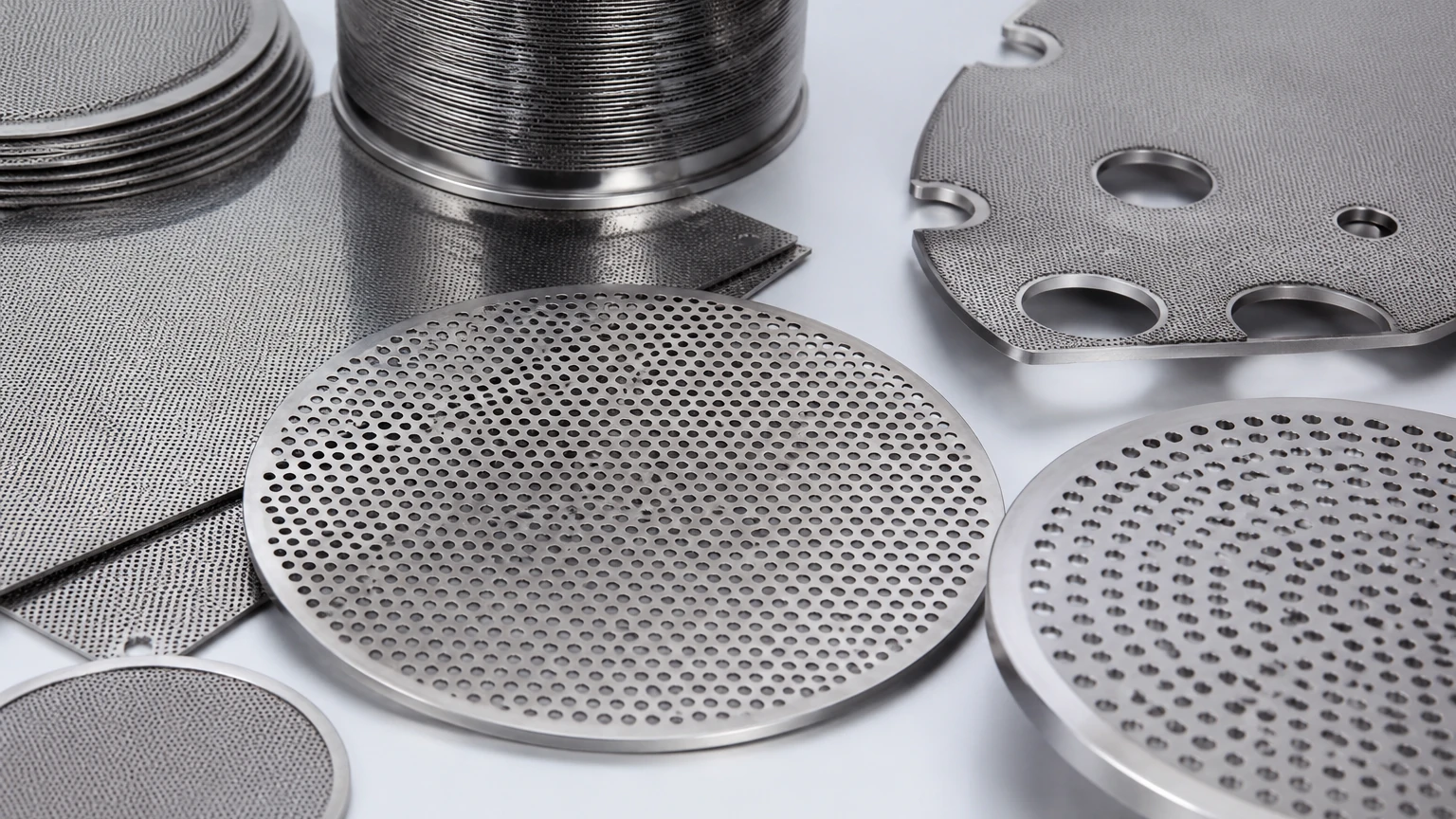
In the realm of industrial heat exchange and fluid management, the condenser plate serves as a fundamental structural and functional component. Often referred to as a tube sheet in shell-and-tube configurations or a heat transfer plate in plate-and-frame systems, the condenser plate is responsible for maintaining the separation between different fluid streams while facilitating the efficient transfer of thermal energy. For engineers and procurement professionals in the chemical, pharmaceutical, and food processing industries, understanding the technical nuances of condenser plate design, material selection, and manufacturing precision is essential for ensuring system longevity and operational efficiency.
As a specialized manufacturer of stainless steel filtration and precision metal components, Kaifil provides high-performance solutions tailored to demanding industrial environments. This guide explores the critical engineering considerations for condenser plates and how they integrate into broader industrial processes.
Understanding the Function of a Condenser Plate
The primary role of a condenser plate is to act as the interface between the cooling medium and the vapor or fluid that needs to be condensed. In a shell-and-tube condenser, the plate (tube sheet) holds the ends of the tubes in place, creating a pressure-tight seal that prevents the mixing of the shell-side and tube-side fluids. In plate-type condensers, the plates themselves are the primary heat transfer surfaces, featuring complex corrugations designed to maximize turbulence and surface area.
Beyond simple fluid separation, the condenser plate must withstand significant mechanical loads. These include the internal pressure of the vessel, the weight of the tube bundle, and the stresses induced by thermal expansion and contraction during start-up and shut-down cycles. A failure in the plate—whether through cracking, corrosion, or seal degradation—can lead to cross-contamination, loss of vacuum, and catastrophic system failure.
Material Selection: The Case for Stainless Steel and Specialty Alloys
Material selection is perhaps the most critical decision in the procurement of a condenser plate. The chosen metal must be compatible with both the process fluid and the cooling medium, which is often water that may contain chlorides or other corrosive agents.
Stainless Steel (304 and 316L)
Stainless steel is the industry standard for most B2B applications due to its excellent balance of mechanical strength and corrosion resistance. Grade 304 is commonly used for general-purpose applications, while Grade 316L, with its added molybdenum content, is preferred for environments involving chlorides or acidic solutions. Kaifil specializes in these materials, ensuring that the filtration and structural components meet the rigorous hygiene standards required in the pharmaceutical and food and beverage sectors.
High-Nickel Alloys and Duplex Steels
For highly aggressive environments, such as those found in chemical processing or seawater cooling, engineers may specify Duplex stainless steel or high-nickel alloys like Hastelloy. These materials offer superior resistance to pitting, crevice corrosion, and stress corrosion cracking (SCC), which are common failure modes in condenser plates exposed to high temperatures and saline conditions.
Engineering Design: Hole Patterns and Structural Integrity
The efficiency of a condenser is heavily influenced by the layout of the condenser plate. In tube-based systems, the arrangement of holes—known as the tube pitch—determines how many tubes can be packed into a given shell diameter, directly impacting the total heat transfer area.
Pitch Configurations
1. Triangular Pitch: This layout allows for a higher tube density, which generally increases the heat transfer coefficient. However, it can make the shell-side of the plate more difficult to clean mechanically.
2. Square Pitch: While offering lower tube density, a square pitch provides clear lanes between the tubes, facilitating easier cleaning and maintenance, which is vital in industries where scaling or fouling is a frequent issue.
Ligament Width
The "ligament" is the portion of the plate material remaining between two adjacent holes. Engineering the correct ligament width is a balancing act; it must be thin enough to allow for high tube density but thick enough to maintain the structural integrity of the plate under high-pressure differentials. Precision manufacturing is required to ensure that the ligament remains consistent across the entire diameter of the plate.
Manufacturing Standards and Precision Machining
To achieve a reliable seal and long service life, a condenser plate must be manufactured to exacting tolerances. Even a minor deviation in hole diameter or alignment can lead to difficulties during tube installation or, worse, leaks during operation.
CNC Drilling and Reaming
Modern condenser plates are typically produced using multi-spindle CNC drilling machines. This ensures that every hole is positioned with sub-millimeter accuracy. After drilling, reaming is often performed to achieve a high-quality surface finish within the holes, which is critical for the tube-to-tubesheet joint, whether it is an expanded joint or a welded joint.
Deburring and Surface Finishing
In high-purity industries, such as pharmaceutical manufacturing, the surface finish of the condenser plate is paramount. Any burrs, pits, or scratches can become breeding grounds for bacteria or focal points for localized corrosion. Electropolishing or mechanical polishing may be applied to the plate to achieve the required Ra (roughness average) values.
Operational Challenges: Corrosion, Scaling, and Thermal Stress
Once in service, condenser plates are subjected to several environmental stressors that can degrade performance over time.
Galvanic Corrosion
If the condenser plate and the tubes are made of dissimilar metals, galvanic corrosion can occur in the presence of an electrolyte (like cooling water). Engineers must ensure that the materials are galvanically compatible or use protective coatings and sacrificial anodes to mitigate this risk.
Scaling and Fouling
In many industrial applications, the cooling water contains minerals that precipitate out onto the condenser plate and tube ends. This scaling acts as an insulator, reducing heat transfer efficiency and increasing the pressure drop across the system. Regular maintenance and the integration of high-quality filtration components are necessary to keep the surfaces clean.
Thermal Fatigue
Rapid changes in temperature can cause the condenser plate to expand and contract at different rates than the surrounding shell or tubes. Over many cycles, this can lead to thermal fatigue, resulting in cracks near the tube joints. Proper design, including the use of expansion joints or floating head designs, helps to manage these stresses.
Maintenance Protocols and Replacement Cycles
A proactive maintenance strategy is essential for maximizing the lifespan of a condenser plate. This includes regular visual inspections, non-destructive testing (NDT) such as ultrasonic or eddy current testing, and periodic cleaning.
Indicators for Replacement
* Wall Thinning: Significant reduction in plate thickness due to general corrosion.
* Ligament Cracking: Visible cracks between holes, indicating structural fatigue.
* Persistent Leaks: When tube-to-plate joints can no longer be effectively resealed through rolling or welding.
For many facilities, replacing a worn condenser plate is an opportunity to upgrade to more corrosion-resistant materials or optimized hole patterns that improve the overall efficiency of the plant.
Procurement Guide: Selecting the Right Condenser Plate Partner
When sourcing a condenser plate or related filtration components, B2B buyers should evaluate potential partners based on technical capability rather than just price. The total cost of ownership (TCO) is heavily influenced by the durability and precision of the component.
Key Questions for Suppliers
1. Material Traceability: Can the supplier provide Mill Test Reports (MTRs) to verify the grade and origin of the stainless steel?
2. Manufacturing Tolerances: What are the standard tolerances for hole diameter, perpendicularity, and ligament thickness?
3. Customization Capabilities: Can the supplier handle custom hole patterns or non-standard plate thicknesses required for specialized OEM equipment?
4. Quality Assurance: Does the manufacturer follow recognized standards such as ASME, TEMA, or ISO 9001?
Kaifil’s expertise in custom stainless steel fabrication ensures that every component is engineered to meet the specific demands of the application, from filtration accuracy to structural robustness. By focusing on precision and material integrity, we help industrial operators achieve reliable, long-term performance in their heat exchange and filtration systems.
For more information on our full range of industrial filtration and precision metal solutions, please visit our Main Page. Our team of engineers is available to discuss your specific project requirements and provide technical support for your filtration and condenser component needs.
