


Dust Collection System for Asphalt Plants
In the production of hot mix asphalt (HMA), the management of particulate matter is both an environmental necessity and an operational requirement. A robust dust collection system for asphalt plants is designed to capture fine aggregates and dust particles generated during the drying, heating, and mixing processes. For engineers and plant managers, selecting and maintaining these systems requires a deep understanding of filtration mechanics, material science, and the specific thermal demands of the asphalt industry.
Asphalt plants typically utilize a two-stage collection process to handle high volumes of dust. The primary collector, often a cyclone, removes larger particles through centrifugal force, while the secondary collector—the baghouse—captures the remaining fine particulates. The efficiency of this system directly impacts the plant’s ability to meet stringent emission standards and recover valuable mineral fillers for reuse in the asphalt mix.
The Role of Dust Collection in Asphalt Production
Dust collection in an asphalt plant serves three primary functions: environmental compliance, resource recovery, and equipment protection. During the aggregate drying process in the rotary drum, high-velocity air carries away moisture and fine dust. Without an effective dust collection system for asphalt plants, these particulates would be released into the atmosphere, leading to significant regulatory penalties and environmental degradation.
From a resource perspective, the "dust" captured by the system is often composed of fine mineral fillers that are essential for the structural integrity of the final asphalt product. Efficient filtration allows these fines to be metered back into the mixing process, reducing raw material waste. Furthermore, removing these particles before the exhaust air reaches downstream components prevents premature wear on fans, ductwork, and sensors.
Primary vs. Secondary Collection: Engineering the Workflow
An effective dust collection strategy relies on a tiered approach to handle the diverse particle sizes found in asphalt production.
Primary Collectors (Cyclones)
The primary collector is the first line of defense. It uses cyclonic action to separate heavy dust particles from the gas stream. As the air enters the cylindrical chamber at high speeds, centrifugal force flings the heavier particles against the walls, where they drop into a hopper. This stage typically removes 70% to 90% of the total dust load. By removing the bulk of the material here, the load on the secondary filtration system is significantly reduced, extending the service life of the more sensitive filter media.
Secondary Collectors (Baghouses)
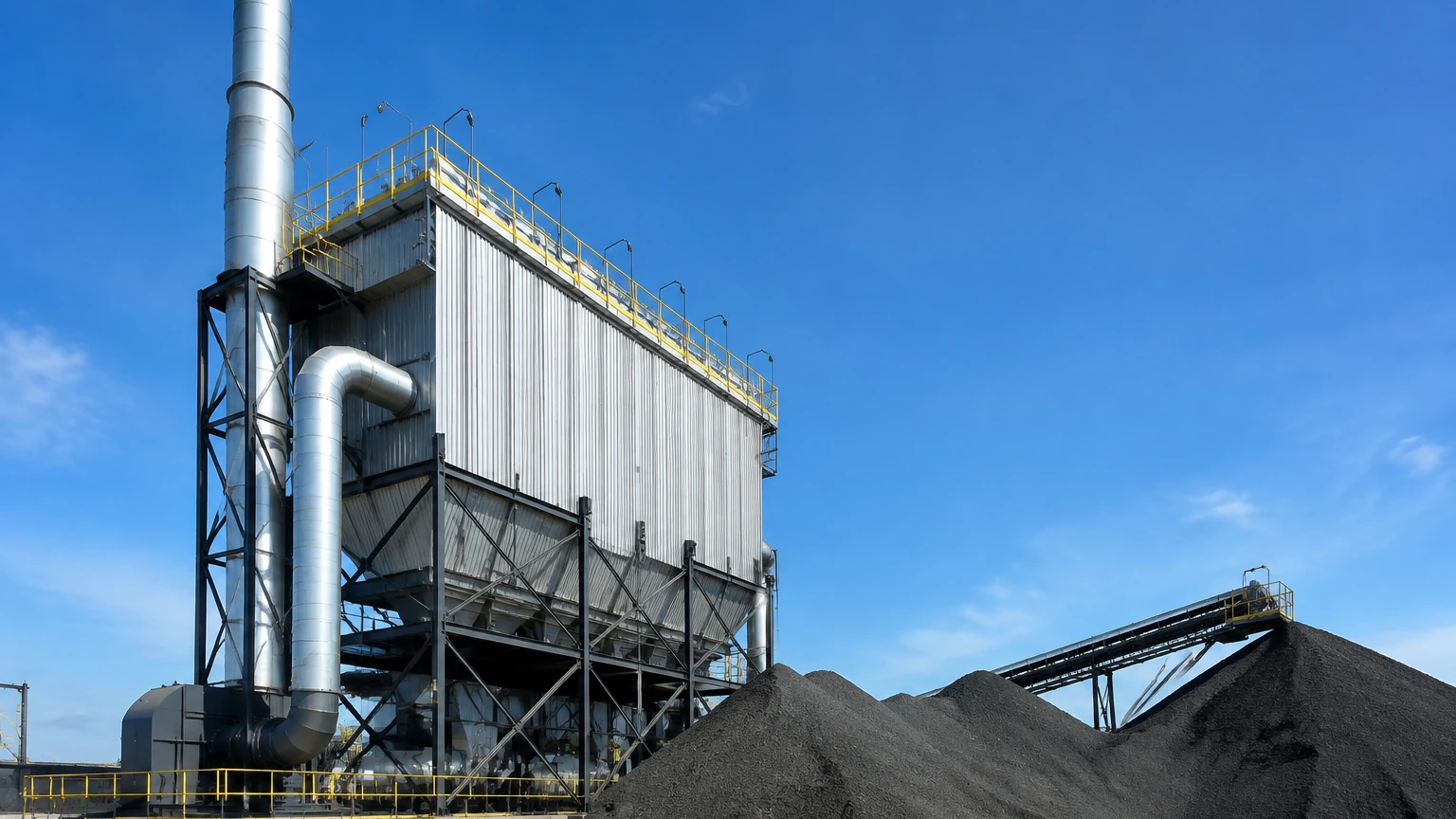
The baghouse is the heart of the dust collection system for asphalt plants. It utilizes fabric or metal filter media to capture the ultra-fine particulates that the cyclone cannot. These systems are usually pulse-jet cleaned, meaning compressed air is periodically blasted through the filters to dislodge the accumulated dust cake. For high-temperature asphalt applications, the choice of filter media and the structural integrity of the filter cages are critical to preventing system failure.
Technical Specifications for Baghouse Filtration
When specifying a baghouse for an asphalt plant, engineers must evaluate several technical parameters to ensure the system can handle the specific air volume and particulate density of the facility.
1. Air-to-Cloth Ratio: This is the volume of air (CFM) passing through each square foot of filter media. In asphalt plants, a lower air-to-cloth ratio is generally preferred to prevent high pressure drops and reduce the velocity of particles hitting the media, which minimizes abrasion.
2. Pressure Drop (Delta P): Monitoring the difference in pressure between the clean and dirty sides of the filter is essential. A high pressure drop indicates that the filters are blinded or that the cleaning system is not operating effectively, which can lead to reduced suction at the dryer drum and decreased production capacity.
3. Inlet Temperature: Asphalt exhaust gases are hot, often ranging from 250°F to 400°F. The filtration system must be engineered to withstand these temperatures without reaching the dew point, which would cause moisture to condense and turn the dust into a sludge-like consistency.
For those seeking comprehensive technical data on filtration components and industrial applications, visiting the Main Page provides a foundation for understanding how specialized manufacturing supports these demanding environments.
Material Selection and Temperature Resistance
Material selection is perhaps the most critical factor in the longevity of a dust collection system for asphalt plants. The environment is characterized by high heat, fluctuating moisture levels, and abrasive particulates.
While traditional fabric bags made of Aramid (Nomex) or PPS (Ryton) are common, there is an increasing demand for precision-engineered metal filtration components in specific areas of the system. Stainless steel wire mesh and sintered metal filters offer superior resistance to thermal shock and chemical corrosion. In applications where the exhaust gas contains acidic components or where the temperature exceeds the limits of synthetic fibers, stainless steel filtration solutions provide a durable alternative that maintains structural integrity over thousands of cleaning cycles.
Furthermore, the filter cages—the internal structures that support the bags—must be manufactured with precision. If a cage is poorly constructed or corrodes, it can tear the filter media, leading to immediate emission leaks and system downtime. Utilizing high-grade stainless steel for these components ensures compatibility with the harsh chemical byproducts of combustion found in asphalt burners.
Operational Challenges: Blinding and Pressure Drop
One of the most common issues in a dust collection system for asphalt plants is "blinding." This occurs when the pores of the filter media become permanently blocked by fine dust or moisture. Blinding is often the result of operating too close to the dew point. If the exhaust gas cools down too much before reaching the baghouse, moisture condenses on the dust, creating a sticky paste that the pulse-jet cleaning system cannot remove.
To mitigate this, engineers must ensure proper insulation of the baghouse and ductwork. Additionally, the startup and shutdown procedures are vital. The system should be pre-heated before aggregate processing begins and allowed to run for a period after the burner is turned off to clear any residual moisture. Monitoring the pressure drop is the primary method for detecting the onset of blinding, allowing maintenance teams to intervene before a total system failure occurs.
Customization and OEM Solutions for Asphalt Filtration
No two asphalt plants are identical. Factors such as the type of aggregate used, the moisture content of the raw materials, and the fuel source for the burner all influence the requirements of the filtration system. This is where custom OEM solutions become invaluable.
Customized stainless steel filter cartridges and precision-woven wire mesh components can be engineered to fit specific baghouse configurations. For instance, if a plant is experiencing high abrasion in the inlet plenum, reinforced stainless steel baffles or specialized pre-filter screens can be installed to dissipate the energy of the incoming dust stream.
By working with a manufacturer that specializes in custom stainless steel filtration, asphalt plant operators can obtain components that are tailored to their specific flow rates and particulate profiles. This level of customization ensures that the dust collection system for asphalt plants operates at peak efficiency with minimal maintenance requirements.
Selection Criteria for Engineering and Procurement Teams
When purchasing or upgrading a dust collection system, procurement teams should look beyond the initial capital cost and focus on the total cost of ownership (TCO). A system that uses higher-quality materials, such as precision-manufactured stainless steel components, may have a higher upfront price but will offer significantly longer service intervals and lower energy consumption due to better airflow characteristics.
Key questions for suppliers should include:
* What is the rated continuous operating temperature and the maximum surge temperature of the media?
* How does the system handle moisture spikes during the processing of wet aggregates?
* Are the internal components, such as cages and venturis, manufactured from corrosion-resistant alloys?
* What is the expected replacement cycle for the primary and secondary filtration elements under standard operating conditions?
Answering these questions requires a partner with deep technical expertise in industrial filtration. For more information on custom engineering and reliable filtration products, visit the Main Page to explore professional solutions for demanding industrial sectors.
Maintenance and Long-Term Reliability
Routine maintenance is the only way to ensure the long-term reliability of a dust collection system for asphalt plants. This includes regular inspections of the pulse-jet valves, checking for leaks in the clean-air plenum using fluorescent leak-detection powder, and monitoring the condition of the screw conveyors that remove the collected dust.
In many cases, the failure of a single small component—like a corroded filter support or a faulty solenoid valve—can lead to a chain reaction that damages the entire set of filters. By investing in high-quality, durable metal components and following a strict preventative maintenance schedule, asphalt plants can maintain high production rates while remaining in full compliance with environmental regulations. The integration of advanced materials and custom-engineered filtration solutions remains the most effective strategy for managing the complex particulate challenges of modern asphalt production.
