


Sparkler Filters Inc
In the landscape of industrial liquid-solid separation, the technology pioneered by Sparkler Filters Inc represents a significant milestone in horizontal plate pressure filtration. For engineers and procurement specialists in the chemical, pharmaceutical, and food processing sectors, understanding the mechanical nuances of these systems is essential for optimizing production yields and ensuring product purity. Horizontal plate filters are specifically engineered to handle batch processing where cake stability and the minimization of "heel" (unfiltered liquid) are critical operational requirements.
As industrial processes become more demanding, the need for high-precision components—such as those manufactured by Kaifil—becomes paramount. Whether a facility is operating legacy equipment from Sparkler Filters Inc or modern pressure leaf systems, the integrity of the internal filtration media determines the efficiency of the entire process. This guide explores the engineering principles of horizontal plate filtration and the technical considerations for selecting stainless steel filtration components.
The Engineering Principles of Horizontal Plate Filtration
Horizontal plate pressure filters operate on a batch principle. Unlike vertical leaf filters, where the filter cake can slough off the media if pressure fluctuates, the horizontal orientation ensures that gravity assists in keeping the cake in place. This design is particularly advantageous for applications involving intermittent flow or varying pressure differentials.
In a typical configuration, a series of circular filter plates are stacked vertically within a pressure vessel. The liquid enters the vessel and is forced through the filter media resting on each plate. The solids are retained on top of the media, forming a uniform cake, while the clarified filtrate is collected through a central manifold.
One of the defining characteristics of the technology associated with Sparkler Filters Inc is the "scavenger plate" or "scavenger leaf." In many filtration systems, a significant amount of unfiltered liquid remains at the bottom of the tank at the end of a cycle. The scavenger plate allows for the filtration of this remaining liquid, ensuring near-total recovery of the product. This is a vital feature in high-value chemical and pharmaceutical manufacturing where product loss translates directly to financial deficit.
Material Selection: The Shift to Stainless Steel Wire Mesh
While traditional horizontal plate filters often utilized disposable media such as paper or cloth, modern industrial standards have shifted toward permanent, cleanable stainless steel wire mesh. The transition to stainless steel components, such as those provided on the Main Page of Kaifil’s technical catalog, offers several engineering advantages:
1. Thermal Stability: Stainless steel can withstand operating temperatures far exceeding the limits of synthetic cloths or paper media, making it suitable for hot oil filtration and high-temperature chemical synthesis.
2. Chemical Compatibility: Using 304, 316L, or exotic alloys ensures that the filter media does not react with the process fluid, preventing contamination and premature media failure.
3. Mechanical Strength: Under high pressure-drop conditions, wire mesh maintains its pore structure, ensuring consistent micron ratings throughout the filtration cycle.
4. Cleanability: Sintered or multi-layer wire mesh can be backwashed or ultrasonically cleaned, reducing the total cost of ownership compared to frequent disposable media replacements.
For facilities maintaining equipment from Sparkler Filters Inc, upgrading to custom-engineered stainless steel mesh plates can significantly improve the durability of the internal stack.
Operational Advantages of Horizontal Plate Designs
The preference for horizontal plate systems in B2B industrial environments is driven by specific operational requirements that other filter types struggle to meet.
Cake Stability and Washing
Because the filter plates are horizontal, the cake remains undisturbed even if the pump is stopped. This is critical for processes that require cake washing. In many chemical applications, the solid cake must be washed with a solvent to remove impurities or to recover additional dissolved product. The horizontal orientation prevents the wash liquid from channeling, ensuring an even distribution across the entire cake surface.
Dry Cake Discharge
Many horizontal plate filters allow for the use of compressed air or inert gas to blow down the cake at the end of the cycle. This results in a "dry" cake that is easier to handle and transport. In environmental applications, reducing the moisture content of the waste cake can significantly lower disposal costs.
Hermetic Operation
Pressure filters are closed systems. This is a non-negotiable requirement when handling volatile organic compounds (VOCs), flammable liquids, or toxic substances. The pressure vessel design used by Sparkler Filters Inc and similar manufacturers ensures that operators are not exposed to hazardous vapors, and the product is protected from atmospheric contamination.
Key Components and Maintenance Considerations
To maintain the performance of a pressure filter system, several critical components must be monitored and periodically replaced. Engineers should focus on the following areas:
* Filter Plate Integrity: Over time, the structural support of the filter plates can warp or corrode. Precision-manufactured plates ensure a tight seal between the stages of the filter stack, preventing bypass.
* Seals and Gaskets: The integrity of the stack depends on the gaskets between each plate. These must be selected based on their resistance to the process temperature and chemical composition.
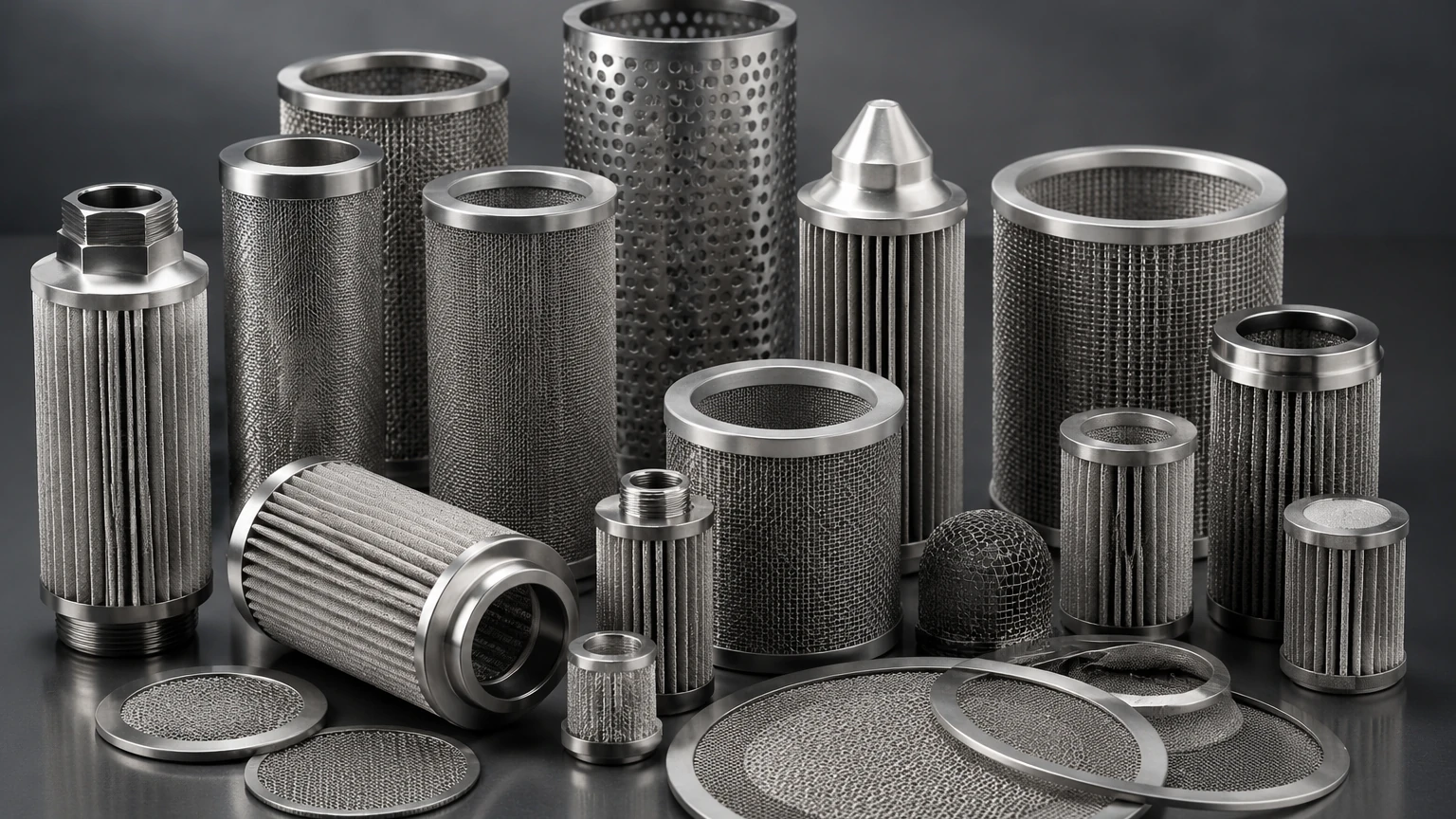
* Wire Mesh Media: The filtration accuracy is entirely dependent on the mesh. If the mesh becomes blinded (clogged) or torn, the filtration efficiency drops. Custom wire mesh filters, such as those produced by Kaifil, can be tailored to specific micron requirements to optimize flow rates.
* The Scavenger Leaf: This component often experiences different flow dynamics than the rest of the stack. It should be inspected regularly to ensure it is not bypassed during the final stages of the batch.
Customization and OEM Solutions for Industrial Filters
One of the challenges for maintenance engineers is sourcing high-quality replacement parts for specialized equipment like that from Sparkler Filters Inc. Often, the original specifications may need to be modified to accommodate changes in the production process, such as a shift in particle size distribution or a change in fluid viscosity.
This is where custom manufacturing capabilities become essential. By working with a specialist like Kaifil, industrial users can obtain bespoke stainless steel filter cartridges and wire mesh components that meet or exceed OEM specifications. Customization options include:
* Alloy Upgrades: Moving from 304 to 316L or Hastelloy for increased corrosion resistance.
* Reinforced Structures: Adding support layers to wire mesh to handle higher pressure differentials.
* Variable Micron Ratings: Fine-tuning the filtration grade to improve clarity or increase throughput.
When evaluating a supplier for these components, it is important to confirm their capability in precision welding and mesh tensioning, as these factors directly impact the lifespan of the filter element.
Selection Criteria: Choosing the Right Filtration Solution
When designing a new filtration process or retrofitting an existing Sparkler Filters Inc system, engineers must evaluate several variables to ensure the chosen solution is technically sound and cost-effective.
1. Fluid Characteristics
Viscosity is a primary driver of filter sizing. Higher viscosity fluids require larger filtration areas to maintain acceptable flow rates without exceeding the maximum allowable pressure drop. Additionally, the chemical nature of the fluid dictates the choice of materials for both the vessel and the internal media.
2. Particle Load and Size Distribution
The amount of solids in the influent (measured in PPM or percentage by weight) determines the required cake capacity of the filter. If the particle load is high, a filter with greater spacing between plates is necessary to prevent the stack from plugging too quickly.
3. Desired Filtrate Clarity
The target micron rating must be balanced against the flow rate. While a finer mesh provides higher clarity, it also increases resistance to flow. In many cases, a multi-stage approach—using a horizontal plate filter for primary separation followed by a polishing filter—is the most efficient engineering strategy.
4. Total Cost of Ownership (TCO)
Beyond the initial purchase price, TCO includes the cost of replacement media, labor for cleaning, and downtime. Stainless steel mesh filters often have a higher upfront cost but provide significant savings over time due to their durability and the elimination of disposable waste.
Conclusion: Optimizing Your Filtration Process
Systems from Sparkler Filters Inc have long been a staple of industrial processing due to their reliable horizontal plate design and scavenger leaf technology. However, the performance of these systems is only as good as the filtration media housed within them. By understanding the mechanical requirements of the process and selecting high-quality, custom-engineered stainless steel components, facilities can achieve superior filtration results, reduced downtime, and improved safety.
For engineers looking to optimize their filtration systems or source precision-manufactured components, exploring technical resources and product specifications is the first step. Detailed information on custom stainless steel filtration solutions can be found by visiting the Main Page of the Kaifil website, where technical expertise meets advanced manufacturing to support the most demanding industrial applications.
