


Pleated Polypropylene Filter Cartridge
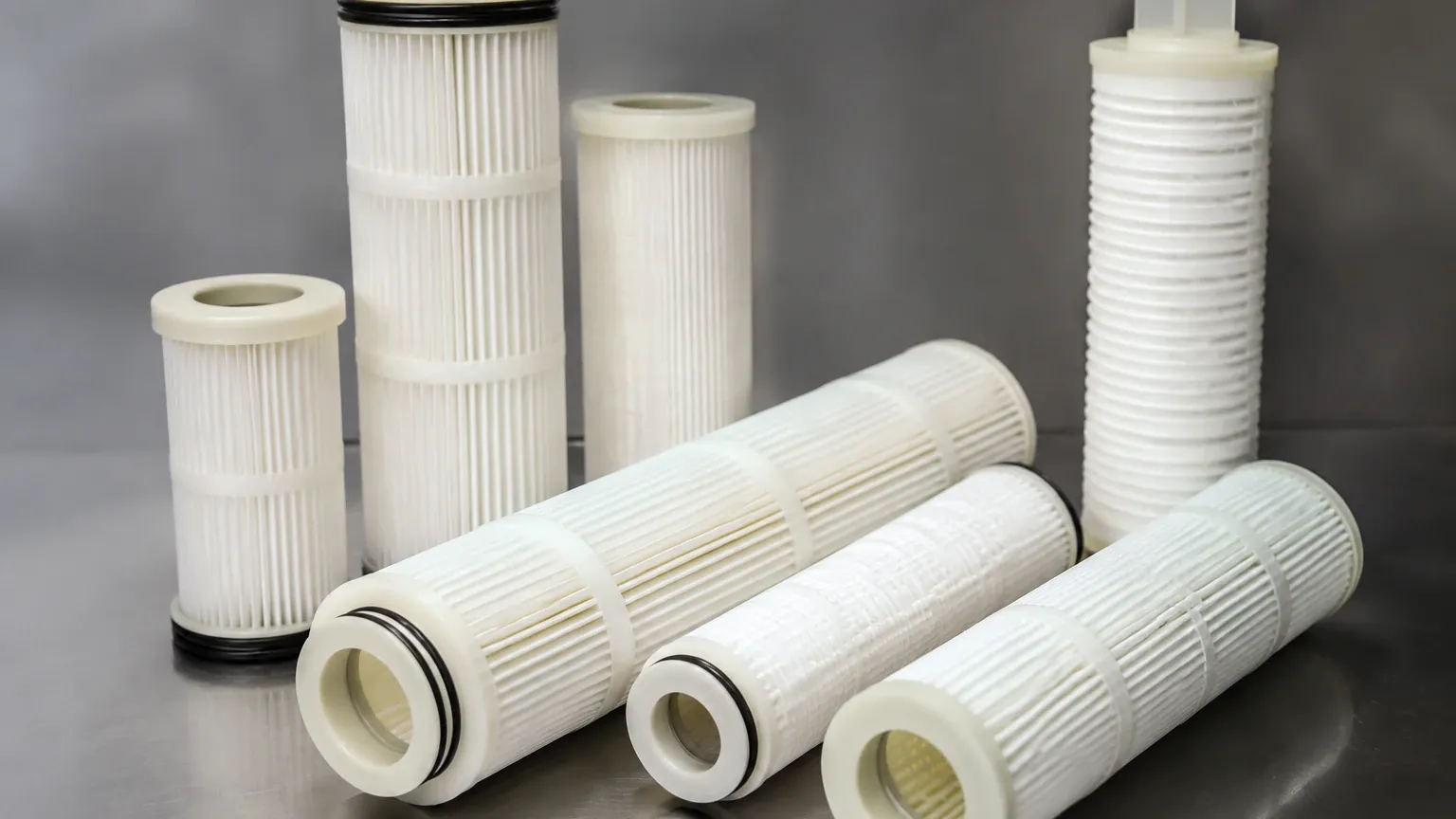
In industrial liquid processing, the pleated polypropylene filter cartridge serves as a cornerstone for high-efficiency clarification and pre-filtration. These cartridges are engineered to meet the rigorous demands of chemical, pharmaceutical, and food and beverage industries, where consistent particle retention and chemical compatibility are non-negotiable. Unlike standard depth filters, the pleated design significantly increases the available surface area, allowing for higher flow rates and extended service life before the terminal pressure drop is reached.
For engineers and procurement professionals, selecting the right filtration component requires a deep understanding of material science, fluid dynamics, and the specific mechanical constraints of the application. This guide examines the technical specifications, performance metrics, and selection criteria essential for optimizing industrial filtration systems.
Structural Engineering: The Pleating Advantage
The primary distinction of a pleated polypropylene filter cartridge lies in its geometry. By folding the polypropylene media into a series of pleats around a central core, manufacturers can pack a significantly larger surface area into a standard 10-inch, 20-inch, or 40-inch housing.
Surface Area and Dirt Holding Capacity
A standard melt-blown depth filter relies on the thickness of the media to trap particles. In contrast, the pleated structure provides up to 5 to 10 times the surface area of a non-pleated equivalent. This increased area directly translates to a lower flux (flow per unit area), which reduces the velocity of particles hitting the media. Lower velocity leads to more effective particle capture and prevents "breakthrough," where pressure forces contaminants through the media pores. Furthermore, the high surface area allows the cartridge to hold a greater volume of solids before the pores become blinded, effectively doubling or tripling the replacement interval in many high-solids applications.
Thermal Bonding and Integrity
High-quality industrial cartridges are constructed using thermal bonding techniques. This process fuses the polypropylene media, support layers, end caps, and core together without the use of adhesives, glues, or surfactants. In sensitive applications like pharmaceutical processing or high-purity water treatment, the absence of binders is critical to prevent extractables from leaching into the filtrate. The structural integrity provided by thermal bonding ensures that the cartridge can withstand back-pressure shocks and high differential pressures without bypassing or structural collapse.
Material Properties and Chemical Compatibility
Polypropylene (PP) is selected for these cartridges due to its unique combination of hydrophobicity, chemical inertness, and mechanical strength. As a thermoplastic polymer, it can be manufactured into fine microfibers that create a dense, multi-layered matrix.
Chemical Resistance
One of the primary reasons engineers specify a pleated polypropylene filter cartridge is its broad chemical resistance. Polypropylene is generally resistant to:
* Acids and Bases: It performs exceptionally well in both low and high pH environments, making it suitable for caustic cleaning solutions and acidic chemical processing.
* Organic Solvents: While not compatible with all hydrocarbons, it resists many alcohols and organic acids.
* Oxidizing Agents: It maintains stability in the presence of common industrial disinfectants.
Compliance and Purity
For the food, beverage, and life sciences sectors, the materials used must meet regulatory standards such as the FDA Title 21 CFR. Polypropylene is naturally biologically inert and does not support microbial growth. When manufactured in cleanroom environments, these cartridges provide the high levels of purity required for the final stages of product clarification or as a protective pre-filter for expensive membrane stages.
Filtration Mechanics: Absolute vs. Nominal Ratings
Understanding how a pleated polypropylene filter cartridge captures particles is essential for matching the filter to the process requirements. These cartridges typically operate as "graded density" depth filters within the pleated structure.
Nominal Efficiency
Nominal ratings refer to an arbitrary micron value assigned by the manufacturer, indicating that the filter will trap a high percentage (typically 60% to 90%) of particles of that size. These are often used in non-critical applications where the goal is general clarification rather than strict particle control.
Absolute Efficiency
In critical industrial processes, absolute-rated cartridges are required. An absolute rating implies a filtration efficiency of 99.9% (Beta ratio of 1000) at the specified micron size. This is achieved through rigorous manufacturing control of the microfiber diameter and pleat density. For engineers designing a system for the Main Page of an industrial process, specifying absolute ratings ensures that downstream equipment, such as high-pressure pumps or sensitive spray nozzles, are protected from specific particle sizes.
Technical Specifications for Procurement
When sourcing cartridges, technical professionals must confirm several physical and performance specifications to ensure compatibility with existing filter housings and process conditions.
Dimensions and End Cap Configurations
Industrial filter housings utilize various sealing mechanisms. The pleated polypropylene filter cartridge must be ordered with the correct end cap style to prevent fluid bypass:
* DOE (Double Open End): Uses flat gaskets at both ends; common in older or low-pressure systems.
* SOE (Single Open End) with O-Rings: Common configurations include Code 7 (226 O-rings with a bayonet lock) and Code 3 (222 O-rings with a flat bottom). These provide a more secure, leak-proof seal for high-purity or high-pressure applications.
* Length Options: Standard lengths include 10, 20, 30, and 40 inches. Modular designs allow for stacking in multi-round housings to handle high flow rates.
Micron Ratings
Cartridges are available in a wide range of micron ratings, typically from 0.1 μm to 100 μm. The choice depends on the nature of the contaminant (deformable vs. rigid) and the desired clarity of the effluent.
Performance Evaluation: Flow, Pressure, and Efficiency
The efficiency of a filtration system is not just about what it stops, but how it affects the overall process flow. Engineers must evaluate the Clean Pressure Drop (ΔP) and the Terminal Pressure Drop.
Differential Pressure (ΔP)
As fluid passes through the pleated media, it encounters resistance. A pleated polypropylene filter cartridge with a high pleat count will initially show a very low differential pressure. However, as the media traps particles, the ΔP will rise. Most industrial systems are designed to operate until the differential pressure reaches 2.0 to 2.5 bar (30-35 psi), at which point the cartridge is considered spent and must be replaced.
Flow Rate Considerations
Flow rate is influenced by the viscosity of the fluid and the micron rating of the cartridge. Higher viscosity fluids or tighter micron ratings require more surface area to maintain a specific flow rate. Over-sizing the filtration system (using more or longer cartridges) can significantly reduce the frequency of change-outs and lower the total cost of ownership by allowing the cartridges to operate at a lower flux for a longer period.
Industry Applications and Compatibility
The versatility of the pleated polypropylene filter cartridge makes it suitable for diverse sectors:
1. Water Treatment: Used as pre-filtration for Reverse Osmosis (RO) membranes to remove silt, sand, and organic debris that would otherwise foul the expensive membrane surfaces.
2. Chemical Processing: Filtration of aggressive chemicals, plating baths, and industrial solvents where metallic filters might corrode or where disposable cartridges are more cost-effective.
3. Food and Beverage: Clarification of bottled water, beer, and wine. The pleated design is effective at removing yeast and large proteins without stripping the product of its essential flavor profiles.
4. Pharmaceuticals: Used in the production of bulk chemicals and as a pre-filter for sterile air or liquid filtration stages. The ability to withstand autoclaving or in-line steam sterilization is a key requirement here.
Maintenance and Replacement Protocols
To maintain system integrity, a structured maintenance schedule is required. Because pleated polypropylene filter cartridges are typically disposable, the focus is on monitoring and timely replacement.
Monitoring Differential Pressure
Continuous monitoring of the pressure gauges upstream and downstream of the filter housing is the most reliable way to determine cartridge life. Sudden drops in differential pressure may indicate a media rupture or a failed seal, while a rapid rise suggests a change in the incoming fluid's solids loading.
Replacement Procedure
During replacement, it is vital to inspect the internal O-rings and seats of the filter housing. Even a high-performance pleated polypropylene filter cartridge will fail to deliver clean results if the housing seals are compromised. Technicians should ensure that the new cartridge is seated correctly and that the end caps are locked (in the case of Code 7 or Code 3 styles) to ensure zero bypass.
Strategic Sourcing and Total Cost of Ownership
When evaluating suppliers for filtration components, the initial purchase price is only one factor. Engineers should consider the "Total Cost of Filtration," which includes:
* Cartridge Longevity: A more expensive cartridge with better pleat geometry may last twice as long as a cheaper alternative, reducing both material costs and labor time.
* Disposal Costs: In industries dealing with hazardous chemicals, reducing the frequency of cartridge changes reduces the volume of contaminated waste generated.
* System Downtime: High-quality cartridges with consistent performance reduce the risk of unexpected system shutdowns due to filter failure.
Kaifil provides a range of industrial filtration solutions designed to meet these exact requirements. While specializing in custom stainless steel filtration components, the integration of high-quality pleated polypropylene filter cartridges into these systems ensures a comprehensive approach to fluid purity. By focusing on precision manufacturing and engineering support, Kaifil assists technical teams in selecting the optimal configuration for their specific environmental and chemical constraints.
In conclusion, the pleated polypropylene filter cartridge is an essential tool for modern industrial fluid management. Its high surface area, excellent chemical resistance, and reliable particle retention make it the preferred choice for protecting downstream processes and ensuring product quality. By carefully considering micron ratings, seal types, and flow requirements, engineers can implement a filtration strategy that balances performance with operational efficiency.
