


Polypropylene Filter Bags
In the landscape of industrial liquid filtration, polypropylene filter bags represent one of the most versatile and cost-effective solutions for high-volume sediment removal. As a polymer-based depth filtration media, polypropylene (PP) is widely utilized across chemical processing, water treatment, and food production due to its broad chemical compatibility and ease of use. However, for engineering and procurement teams, selecting the right filtration media requires a deep understanding of material limits, flow dynamics, and the long-term economic trade-offs between disposable bags and permanent metal filtration components.
This guide examines the technical specifications of polypropylene filter bags, evaluates their performance in industrial environments, and provides the necessary criteria for determining when these disposable options are appropriate versus when a transition to precision stainless steel filtration is required.
Understanding Polypropylene Filter Bags in Industrial Filtration
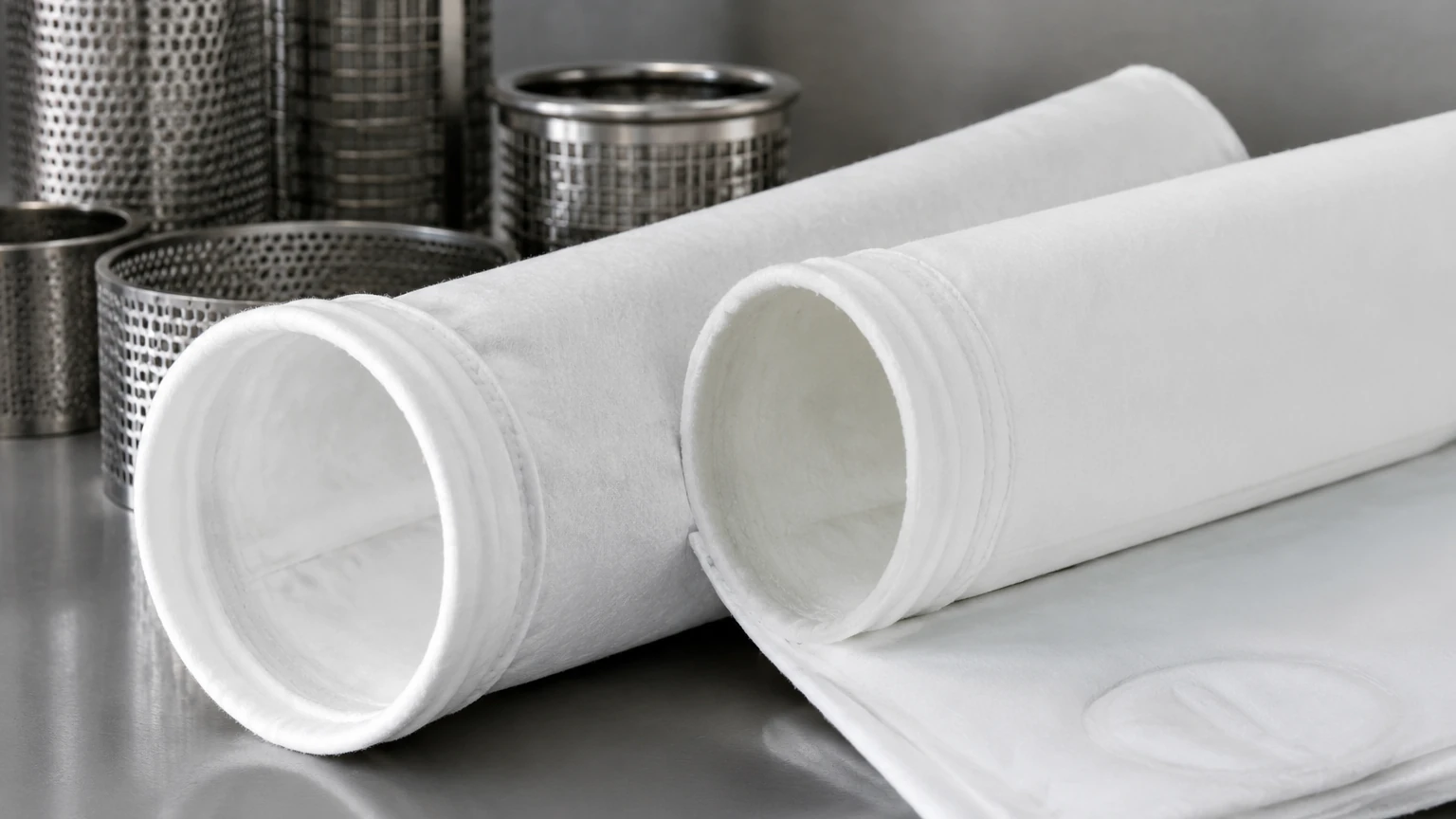
Polypropylene filter bags are typically constructed using two primary methods: needle felt and monofilament mesh. The choice between these structures depends entirely on the nature of the contaminants and the required filtration efficiency.
Polypropylene Needle Felt
Needle felt is the most common material for PP bags. It is created by mechanically interlocking fibers to create a three-dimensional depth media. This structure allows the bag to trap particles throughout its thickness rather than just on the surface. This "depth loading" capability is essential for applications with a wide range of particle sizes, as it prevents the surface from blinding prematurely. Most needle felt bags are finished with a glazed or singed surface to prevent fiber migration into the filtrate.
Polypropylene Monofilament Mesh
Monofilament mesh bags are woven from single-strand fibers with precise pore openings. Unlike felt, mesh provides surface filtration. This is ideal for applications requiring exact micron ratings and high tensile strength. Mesh bags are frequently used for "scalping"—removing large, oversized particles from a liquid stream—and are easier to wash and reuse in limited capacities compared to felt bags.
Technical Specifications and Performance Metrics
When evaluating polypropylene filter bags, engineers must look beyond the nominal micron rating. The performance of the filter is dictated by the physical properties of the polypropylene polymer and the mechanical design of the bag.
Chemical Compatibility
Polypropylene is highly regarded for its resistance to both mineral and organic acids, as well as alkalis and most organic solvents. It is, however, susceptible to degradation by strong oxidizing agents and certain aromatic hydrocarbons. Before implementation, engineers should verify the chemical resistance of the bag material against the specific process fluid, especially at elevated temperatures where chemical reactions accelerate.
Temperature Constraints
One of the primary limitations of polypropylene is its thermal threshold. Typically, PP filter bags are rated for a maximum continuous operating temperature of approximately 90°C to 100°C (194°F to 212°F). Exceeding these temperatures can lead to fiber softening, loss of structural integrity, and potential bypass. In high-temperature steam or oil applications, materials like polyester or stainless steel are usually required.
Micron Ratings and Efficiency
Most polypropylene bags are "nominally" rated, meaning they are designed to catch a high percentage (typically 60% to 80%) of particles at the stated micron size. For critical applications requiring 99% or higher efficiency, "absolute" rated bags or high-performance cartridges are necessary. Understanding the difference between nominal and absolute ratings is critical for preventing downstream contamination.
Polypropylene vs. Stainless Steel Filtration Solutions
For many industrial facilities, the choice between disposable polypropylene filter bags and permanent stainless steel filtration components is a matter of balancing initial capital expenditure (CAPEX) against ongoing operational expenditure (OPEX).
While polypropylene filter bags offer a low entry cost, they are single-use consumables. In processes with high solids loading, the cost of frequent bag changes, labor, and disposal can quickly exceed the cost of a permanent solution. For those evaluating high-performance alternatives, visiting the Main Page of a specialized manufacturer like Kaifil provides insight into how stainless steel wire mesh and sintered metal filters offer a reusable, high-durability alternative to synthetic bags.
Key Differences to Consider:
1. Durability: Stainless steel filters can withstand extreme pressure spikes and mechanical stress that would cause a polypropylene bag to burst.
2. Temperature and Pressure: Metal filters operate effectively in cryogenic or high-heat environments (up to 500°C+) where polypropylene would melt.
3. Sustainability: Disposable bags contribute to industrial waste streams, whereas stainless steel components can be ultrasonically cleaned and returned to service for years.
4. Precision: Sintered metal and precision wire mesh offer tighter tolerances for absolute filtration compared to the variable pore structure of needle felt.
Key Evaluation Criteria for Procurement and Engineering
To ensure the selected polypropylene filter bag meets the demands of the application, technical teams should evaluate the following four criteria during the specification phase.
1. Sealing Mechanism
The seal between the filter bag and the housing is the most common point of failure. Standard bags use a galvanized or stainless steel ring sewn into the top. However, these can allow for bypass if the housing is not perfectly machined. Advanced plastic "V-rings" or flange seals use the differential pressure of the fluid to create a positive seal against the housing wall, effectively eliminating bypass.
2. Flow Rate and Viscosity
The flow capacity of a filter bag is inversely proportional to the viscosity of the liquid. A bag rated for 100 GPM in water may only handle 10 GPM for a heavy oil. Engineers must calculate the "clean pressure drop" (the resistance of the filter itself) and ensure it does not consume too much of the system’s available pump head.
3. Solids Loading and Dirt Holding Capacity
If the process fluid has a high concentration of solids, a standard polypropylene bag may blind in minutes. In these cases, engineers should consider multi-layered "high capacity" bags or pleated inserts that increase the available surface area without changing the housing size.
4. Regulatory Compliance
In food, beverage, and pharmaceutical applications, the polypropylene resin must be FDA-compliant and free of silicone or other lubricants that could leach into the product. Documentation of USP Class VI compliance or EC food contact certification is often a mandatory requirement for these sectors.
Common Operational Risks and Mitigation Strategies
Even the highest quality polypropylene filter bags can fail if operational parameters are not strictly monitored. Understanding these risks allows for better system design and maintenance scheduling.
Bypass and Improper Seating
If a bag is not seated correctly in the basket, fluid will take the path of least resistance around the bag rather than through it. This results in unfiltered fluid reaching downstream equipment. Utilizing a bag positioner or a specialized installation tool can ensure the bag is fully extended and the seal is tight.
Pressure Spikes and Blown Bags
Polypropylene bags have a maximum allowable differential pressure (usually around 2.0 to 2.5 bar or 30-35 psi). If the pressure exceeds this limit due to a sudden surge or a clogged filter, the bag may rupture. Installing a differential pressure gauge with an automated alarm or pump shut-off is the best way to prevent catastrophic bag failure.
Fiber Migration
In lower-quality needle felt bags, individual fibers can break loose and enter the filtrate. This is particularly problematic in precision electronics or paint applications. Specifying bags with heat-treated or glazed surfaces significantly reduces this risk.
Selecting the Right Configuration for Your Application
Standardization in the filtration industry has led to four primary sizes for filter bags. Selecting the correct size is the first step in ensuring system compatibility:
* Size 1: 7" diameter x 16" length
* Size 2: 7" diameter x 32" length (The most common industrial size)
* Size 3: 4" diameter x 8" length
* Size 4: 4" diameter x 14" length
Beyond size, the choice of top ring material is vital. While steel rings are traditional, molded plastic flanges offer better chemical resistance and easier disposal through incineration. For applications where metal contamination is a concern, all-plastic construction (PP bag with a PP flange) is the preferred standard.
Conclusion: Confirming Requirements Before Procurement
Before finalizing a purchase order for polypropylene filter bags, engineering teams should confirm the following data points with their supplier:
* Specific Gravity and Viscosity: Of the process fluid at operating temperature.
* Particle Characterization: Is the contaminant hard, deformable, or gelatinous?
* Maximum Differential Pressure: The point at which the system must be shut down for a bag change.
* Compatibility Check: Verification that the bag material, ring material, and thread material are all compatible with the chemical environment.
While polypropylene filter bags are an excellent entry-point for many liquid filtration needs, they are often a stepping stone toward more robust, permanent filtration technologies. In demanding environments where high pressures, extreme temperatures, or zero-waste initiatives are prioritized, transitioning to custom-engineered stainless steel components may offer a more sustainable and reliable long-term solution. By carefully weighing these technical factors, industrial professionals can optimize their filtration processes for both performance and cost-efficiency.
