


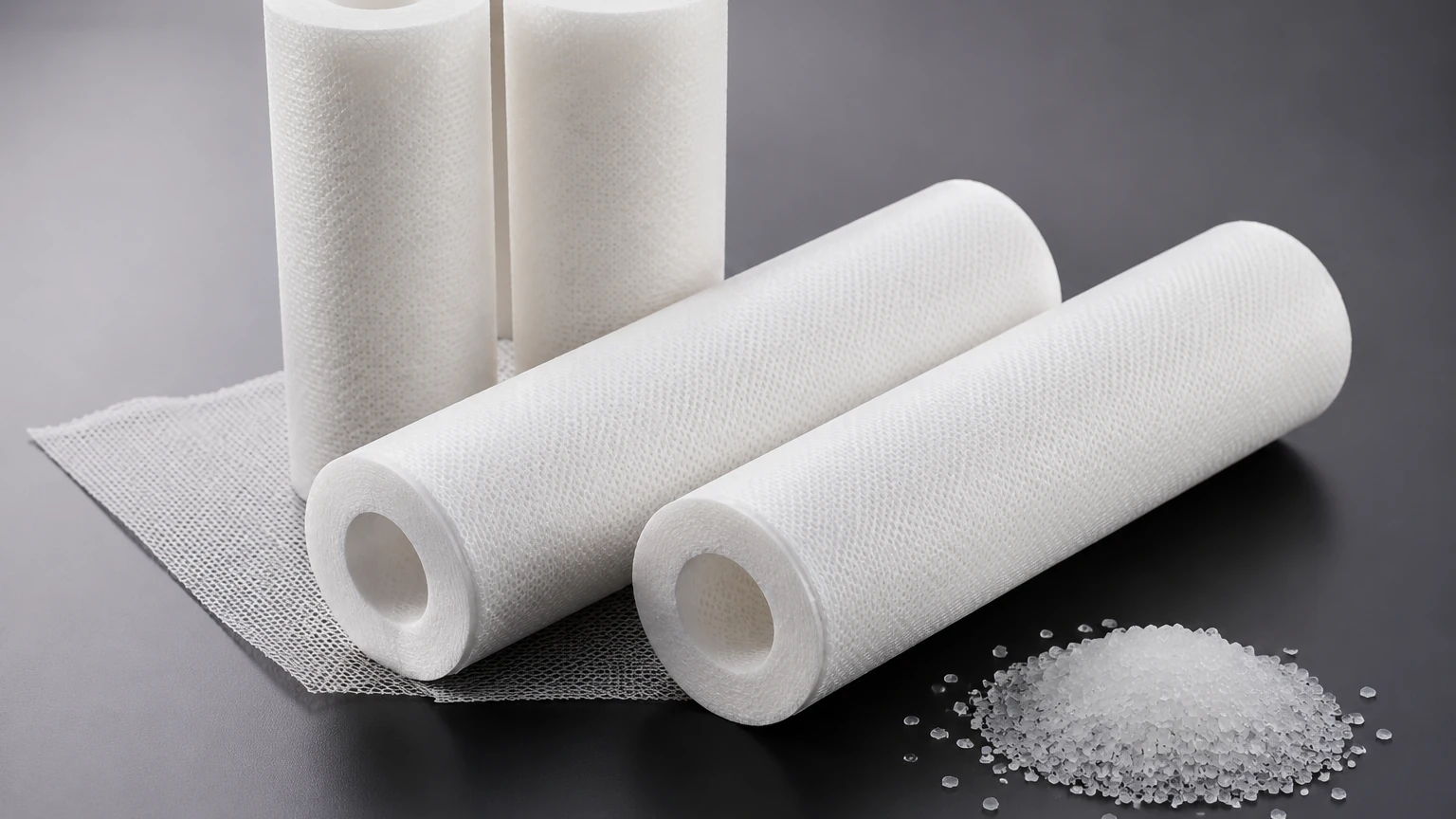
Polypropylene Filter Cartridge 5 Micron
In the landscape of industrial liquid processing, the polypropylene filter cartridge 5 micron serves as a fundamental component for achieving precise clarification and protection of downstream equipment. As a depth filtration solution, these cartridges are engineered to capture particulates throughout the entire thickness of the filter media, rather than just on the surface. For engineers and procurement professionals, selecting the right 5-micron polypropylene (PP) filter requires a technical understanding of material science, fluid dynamics, and the specific demands of the application environment.
Polypropylene is a thermoplastic polymer favored in the filtration industry for its high chemical resistance, thermal stability within moderate ranges, and cost-effectiveness. When configured to a 5-micron rating, these cartridges provide an optimal balance between high flow rates and effective contaminant removal, making them the industry standard for pre-filtration in water treatment, chemical processing, and food and beverage production.
Technical Construction of 5 Micron Polypropylene Cartridges
The performance of a polypropylene filter cartridge 5 micron is dictated by its manufacturing process. Most industrial-grade PP cartridges are produced using melt-blown technology. In this process, molten polypropylene resin is extruded through high-speed air streams to create fine fibers that are thermally bonded onto a central core.
Graded Density Structure
One of the most critical engineering features of a high-quality melt-blown cartridge is graded density. A true 5-micron depth filter is not uniform from the outer surface to the inner core. Instead, it is designed with larger pores on the exterior to trap coarse particles, while the fiber density increases toward the center to reach the final 5-micron threshold. This "tapered" pore structure prevents the surface from blinding prematurely, significantly increasing the dirt-holding capacity and extending the service life of the filter.
Thermal Bonding and Media Migration
Unlike string-wound filters, which can shed fibers into the filtrate (a phenomenon known as media migration), melt-blown polypropylene cartridges use thermal bonding. This ensures that the fibers remain locked in place even under fluctuating pressure conditions. For pharmaceutical and food-grade applications, this structural integrity is vital to prevent contamination of the end product.
Key Performance Metrics for Industrial Filtration
When evaluating a polypropylene filter cartridge 5 micron, technical specifications must be scrutinized beyond the simple micron rating. Engineers must distinguish between nominal and absolute filtration efficiency.
Nominal vs. Absolute Ratings
A nominal 5-micron rating typically implies that the filter can trap approximately 60% to 85% of particles at that size. However, for critical processes, an absolute-rated cartridge is required, often defined by a Beta Ratio ($\\beta$). A $\\beta=5000$ rating for a 5-micron filter indicates 99.98% efficiency. Understanding the required cleanliness level of the effluent is the first step in determining whether a standard melt-blown or a high-efficiency pleated polypropylene cartridge is necessary.
Dirt-Holding Capacity (DHC)
DHC refers to the total mass of contaminants a filter can retain before reaching its terminal pressure drop. A higher DHC directly correlates to lower operational costs, as it reduces the frequency of filter changes and system downtime. The fiber diameter and the void volume of the polypropylene media are the primary drivers of DHC.
Engineering Considerations: Pressure Drop and Flow Dynamics
Every filter introduces a resistance to flow, known as pressure drop ($\\Delta P$). For a polypropylene filter cartridge 5 micron, managing this resistance is essential for maintaining system efficiency and protecting the structural integrity of the cartridge.
Clean Pressure Drop
The initial pressure drop of a clean 5-micron cartridge depends on the fluid viscosity and the flow rate. In water-like fluids, a standard 10-inch cartridge might exhibit a pressure drop of less than 0.1 bar at a flow rate of 10 liters per minute. As the fluid viscosity increases (e.g., in oils or syrups), the pressure drop rises exponentially, requiring larger housing or multiple cartridges in parallel to maintain the desired flow.
Terminal Pressure Drop and Collapse Strength
Manufacturers typically recommend replacing polypropylene cartridges when the differential pressure reaches 2.0 to 2.5 bar (30-35 psi). Exceeding this limit risks "breakthrough," where captured contaminants are forced through the media, or physical collapse of the cartridge core. Engineers should ensure that the chosen cartridge features a rigid internal support core, often made of reinforced polypropylene, to withstand these pressures in demanding industrial environments.
Chemical Compatibility and Application Boundaries
Polypropylene is renowned for its broad chemical compatibility, but it is not a universal solution. It is highly resistant to most acids, bases, and salts, making it ideal for the chemical processing industry. However, its performance degrades when exposed to strong oxidizing agents or certain aromatic hydrocarbons.
Temperature Limitations
Standard polypropylene filter cartridges are generally rated for continuous operation up to 60°C (140°F). While some high-temperature variants can reach 80°C, the material begins to soften as it approaches its melting point. In applications involving steam sterilization or high-temperature caustic washes, the structural limits of PP must be carefully weighed against alternative materials like stainless steel.
Compliance and Purity
For the food, beverage, and pharmaceutical sectors, the polypropylene resin must meet FDA (CFR 21) requirements for food contact. Furthermore, the manufacturing process should be free of surfactants, binders, and adhesives to ensure that the filter does not leach extractables into the process stream. Many 5-micron PP cartridges are also certified under NSF/ANSI standards for drinking water safety.
Comparing Polypropylene and Stainless Steel Filtration Solutions
While the polypropylene filter cartridge 5 micron is an excellent disposable solution, certain industrial scenarios demand more robust materials. As a manufacturer specializing in custom stainless steel filtration, Kaifil provides insights into when a transition from polymer-based to metal-based filtration is technically justified.
Durability and Reusability
The primary advantage of stainless steel filters (such as wire mesh or sintered metal) over polypropylene is their ability to be cleaned and reused. In processes with high solids loading or expensive disposable costs, a stainless steel cartridge can offer a lower total cost of ownership over its multi-year lifespan.
Extreme Environments
Stainless steel is the necessary choice when operating temperatures exceed 100°C or when the chemical environment is too aggressive for polypropylene. Furthermore, stainless steel cartridges provide superior mechanical strength in high-pressure hydraulic systems where pressure spikes could easily rupture a melt-blown PP filter. For those exploring the full range of industrial filtration options, the Main Page of the Kaifil website offers a comprehensive overview of high-performance metal filtration components designed for these demanding conditions.
Procurement and Customization: Confirming Specifications
Before finalizing a purchase order for 5-micron polypropylene cartridges, purchasing teams and engineers should confirm several physical and mechanical specifications to ensure compatibility with existing filter housings.
1. End-Cap Configuration: Cartridges come in various styles, including Double Open End (DOE), Code 7 (226 O-rings with a locking fin), and Code 3 (222 O-rings). Selecting the wrong end-cap will lead to bypass, where unfiltered liquid escapes around the cartridge.
2. Seal Materials: While the filter media is polypropylene, the O-rings or gaskets may be made of EPDM, Viton, Silicone, or Buna-N. The seal material must be compatible with the process fluid to prevent swelling or degradation.
3. Length and Diameter: Standard lengths are 10, 20, 30, and 40 inches, but custom lengths are often required for OEM equipment. Outside diameters typically range from 2.5 to 4.5 inches (Big Blue).
Conclusion
The polypropylene filter cartridge 5 micron remains a cornerstone of industrial filtration due to its versatility and efficiency. By understanding the nuances of graded density, chemical compatibility, and pressure dynamics, engineers can optimize their filtration processes for both performance and cost. Whether utilizing disposable PP media for general pre-filtration or moving toward specialized stainless steel solutions for extreme environments, the goal remains the same: ensuring the purity of the process fluid and the longevity of the industrial system. For further technical support and custom filtration designs, reviewing professional resources on the manufacturer's Main Page can provide the necessary engineering guidance for complex applications.
