


Pulse Filter
In industrial air and gas processing, the ability to maintain continuous operation while handling high particulate loads is a critical engineering requirement. The pulse filter, specifically the pulse-jet cleaning system, has become the industry standard for achieving this balance. By utilizing high-pressure compressed air to periodically clean the filter media without interrupting the primary flow, these systems ensure stable pressure drops and extended service life for filtration components. For engineers and procurement teams, understanding the technical nuances of pulse filter elements—particularly those constructed from durable materials like stainless steel—is essential for optimizing system performance and reducing long-term maintenance costs.
Understanding the Pulse-Jet Filtration Mechanism
The fundamental principle of a pulse filter system is the "pulse-jet" cleaning cycle. Unlike static filtration systems that require manual cleaning or replacement once the pressure drop reaches a certain threshold, pulse-jet systems are designed for automated, in-situ regeneration.
During operation, dust-laden gas enters the filter housing and passes through the filter media from the outside in (or inside out, depending on the design). As the dust cake builds up on the surface of the filter element, the differential pressure increases. Once a pre-set limit is reached or a specific time interval passes, a pulse controller triggers a solenoid valve. This valve releases a burst of compressed air—typically lasting between 0.1 to 0.2 seconds—into the top of the filter element.
This high-pressure pulse creates a shockwave that travels down the length of the filter, momentarily expanding the media and dislodging the accumulated dust cake. The dust then falls into a collection hopper below. The efficiency of this process depends heavily on the mechanical integrity of the filter element and its ability to withstand repeated high-pressure shocks without losing its structural shape or filtration accuracy.
Material Engineering for Pulse Filter Cartridges
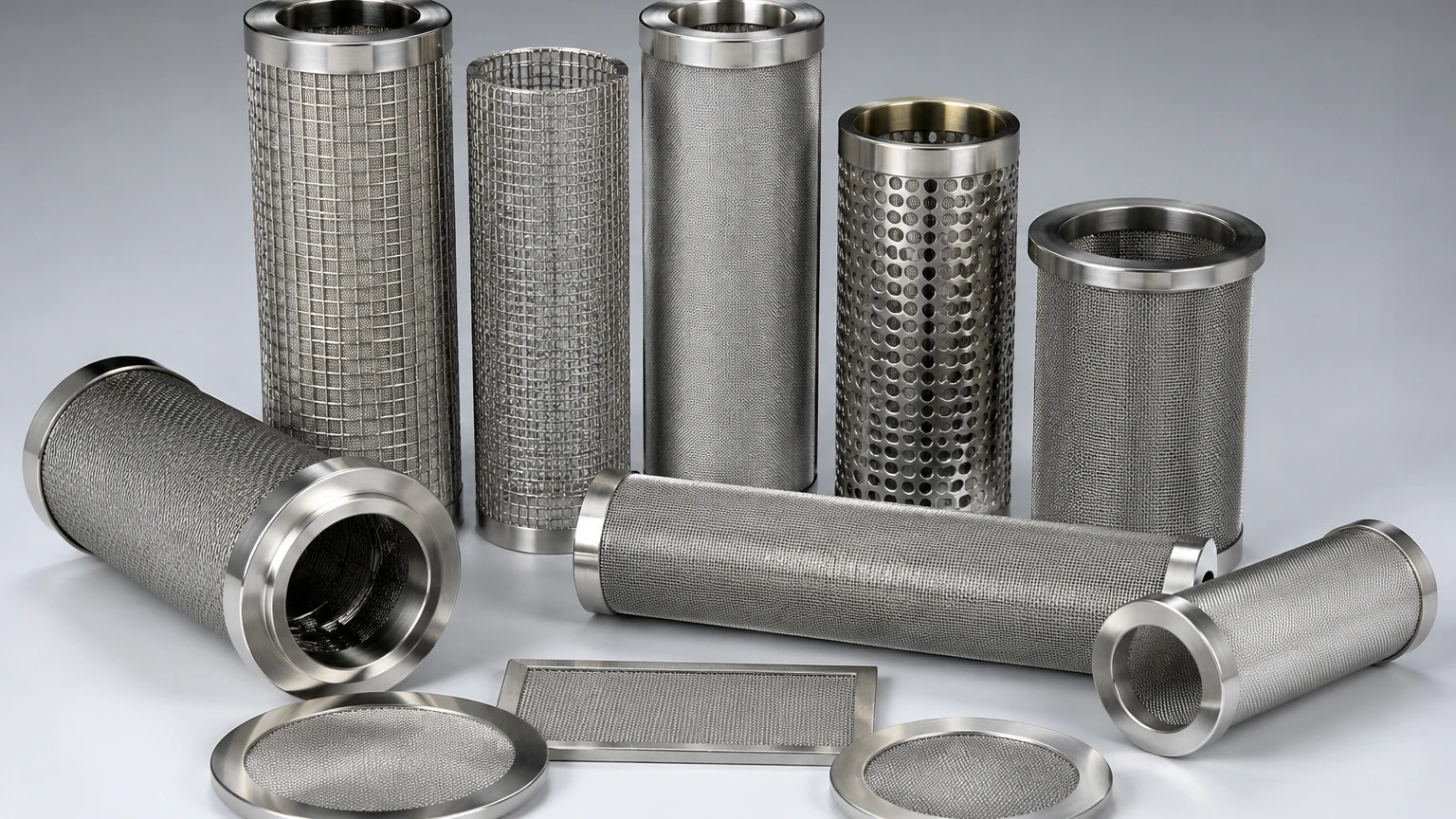
The choice of filter media is perhaps the most significant factor in the success of a pulse filter application. While fabric bags are common in low-temperature dust collection, demanding industrial environments require more robust solutions. Stainless steel filter cartridges, such as those manufactured by Kaifil, offer distinct advantages in these scenarios.
Stainless Steel Wire Mesh
For high-precision applications, multi-layer sintered wire mesh provides a rigid structure that does not deform under the force of the pulse. This material is engineered by layering different gauges of mesh and bonding them through a high-temperature sintering process, resulting in a media that combines high permeability with exceptional mechanical strength.
Sintered Metal Fiber
In applications requiring high porosity and low initial pressure drop, sintered metal fiber (non-woven) is often preferred. This media allows for deep-bed filtration characteristics while remaining cleanable via pulse-jet action. It is particularly effective in high-temperature gas filtration where polymer-based media would melt or degrade.
Alloy Selection
Selecting the right alloy is critical for chemical compatibility. While Type 304 stainless steel is suitable for many general industrial applications, Type 316L is frequently specified for environments involving corrosive gases or acidic particulates. For extreme conditions, specialized alloys like Hastelloy or Inconel may be utilized to prevent premature failure due to oxidation or chemical attack.
Performance Metrics and Selection Criteria
When evaluating a pulse filter for a specific industrial process, engineers must look beyond the initial micron rating. Several key performance metrics dictate the total cost of ownership and system reliability:
1. Air-to-Cloth Ratio (Filtration Velocity): This is the ratio of gas flow volume to the total surface area of the filter media. A lower air-to-cloth ratio generally leads to more effective cleaning and longer media life, as the dust cake is less likely to become deeply embedded in the pores.
2. Permeability: High permeability ensures that the system operates with a low initial pressure drop, reducing the energy requirements of the primary system fan or blower.
3. Pulse Pressure and Volume: The cleaning system must deliver enough energy to dislodge the dust cake. If the pulse is too weak, the filter will not clean effectively; if it is too strong, it may damage the media or cause "bleeding," where fine particles are forced through the filter during the pulse.
4. Structural Rigidity: Unlike flexible bags, stainless steel cartridges must be designed to handle the internal pressure of the pulse without buckling. Pleated designs are often used to increase surface area, but the pleat geometry must be carefully engineered to ensure that the pulse reaches the bottom of the pleat folds.
Advantages of Stainless Steel Media in Pulse Systems
Transitioning from traditional fabric or paper media to stainless steel filtration components offers several technical benefits for pulse filter operations:
* Thermal Stability: Stainless steel can operate at temperatures exceeding 500°C (932°F), far beyond the limits of synthetic fibers. This eliminates the need for expensive gas cooling equipment before the filtration stage.
* Durability and Longevity: Metal filters are resistant to abrasion from sharp or hard particulates. In a pulse-jet environment, the media must withstand thousands of cleaning cycles. Stainless steel elements do not suffer from the "fatigue" common in fabric bags, which can tear or stretch over time.
* Cleanability: The rigid surface of a metal filter allows for a more efficient release of the dust cake. This leads to a more consistent "baseline" pressure drop after each pulse, improving the overall stability of the process.
* Chemical Resistance: In pharmaceutical or chemical processing, where filters may be exposed to solvents or aggressive cleaning agents, stainless steel provides the necessary inertness to prevent contamination of the product stream.
Common Applications and Industry Use Cases
Pulse filter systems are utilized across a broad spectrum of industries where continuous gas-solid separation is required.
Chemical Processing
In the production of catalysts, pigments, and specialty chemicals, pulse filters are used to recover valuable product from gas streams. The ability to use stainless steel media ensures that the filter does not react with the chemicals being processed and can handle the high temperatures often found in reactor off-gas streams.
Food and Beverage
In large-scale spray drying operations for milk powder or coffee, pulse filters capture fine particles that would otherwise be lost. Here, the hygienic properties of stainless steel are paramount, as the filter must be capable of being cleaned-in-place (CIP) and must meet strict regulatory standards for food contact.
Power Generation and Incineration
Fly ash removal from flue gases requires filters that can handle high volumes of abrasive dust at elevated temperatures. Pulse-jet systems with sintered metal elements provide a reliable solution for meeting emission standards while maintaining low operational overhead.
Hydraulic and Lube Oil Systems
While pulse cleaning is most common in gas filtration, similar "back-pulsing" or "back-washing" techniques are used in liquid filtration. In these cases, a portion of the clean fluid is pulsed back through the stainless steel mesh to clear debris, ensuring the longevity of high-value hydraulic components.
Maintenance and Optimization of Pulse Cleaning Systems
To ensure a pulse filter operates at peak efficiency, a proactive maintenance and monitoring strategy is required. Engineers should focus on the following areas:
* Differential Pressure Monitoring: A sudden drop in differential pressure may indicate a ruptured filter element, while a steady increase that does not respond to pulsing suggests that the media is "blinded" or that the cleaning system is failing.
* Compressed Air Quality: The air used for pulsing must be dry and oil-free. Moisture in the pulse air can lead to the formation of a "mud" on the filter surface, which is nearly impossible to remove through standard pulsing action.
* Solenoid and Diaphragm Valve Inspection: These are the primary moving parts of the cleaning system. Regular inspection ensures that the valves open and close rapidly, providing the sharp pressure spike necessary for effective cleaning.
* Filter Element Integrity: Periodic inspection of the stainless steel cartridges for signs of mechanical wear or chemical corrosion helps prevent unplanned downtime. Because these elements are often custom-engineered, maintaining a relationship with a manufacturer who understands the specific application is vital.
Engineering Considerations for Custom Filtration Solutions
Standard off-the-shelf filtration components often fail to meet the specific demands of specialized industrial processes. When designing or retrofitting a pulse filter system, customization is frequently necessary. This involves selecting the precise micron rating, pleat density, and end-cap configuration to match the existing housing and flow requirements.
As a professional manufacturer of custom stainless steel filtration solutions, Kaifil provides the engineering expertise required to develop high-performance filter products. From initial material selection to the final production of precision metal filter components, the focus is on delivering durability and precise filtration performance. For technical professionals looking to optimize their filtration systems, you can Main Page to review product options and application support.
Before finalizing a filter specification, engineers should confirm the maximum operating temperature, the chemical composition of the gas and particulate, the required filtration efficiency, and the available pulse air pressure. By addressing these factors during the design phase, organizations can ensure that their pulse filter system provides reliable, cost-effective service for years to come.
