


Pvdf Filter Housing
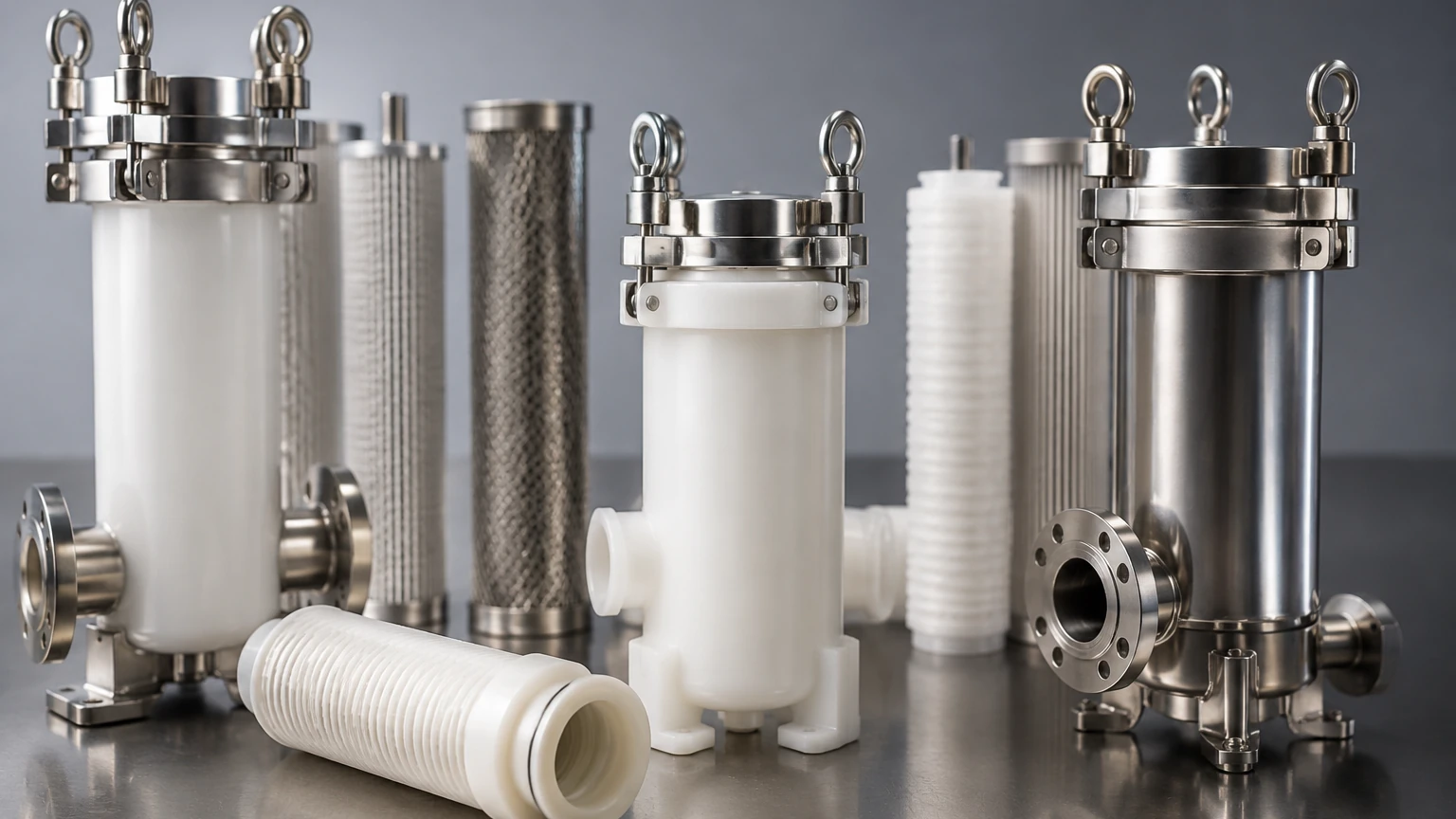
In industrial filtration, the selection of housing material is as critical as the selection of the filter media itself. While stainless steel remains the industry standard for a wide range of mechanical and thermal applications, certain chemical environments and high-purity requirements necessitate the use of advanced thermoplastics. A PVDF filter housing (Polyvinylidene Fluoride) represents a specialized solution designed to bridge the gap between the chemical limitations of polyolefins like polypropylene and the high cost or weight of exotic metal alloys.
For engineers and procurement teams, understanding the technical nuances of PVDF—including its mechanical properties, chemical resistance, and thermal thresholds—is essential for ensuring system longevity and process safety. This guide examines the engineering considerations and application criteria for PVDF filter housings in demanding industrial sectors.
Understanding PVDF as a Filtration Material
Polyvinylidene fluoride (PVDF) is a high-molecular-weight fluoropolymer known for its exceptional chemical inertness and mechanical strength. Unlike many other plastics, PVDF offers a unique combination of properties that make it suitable for housing corrosive fluids or high-purity reagents.
Chemical Resistance
PVDF is remarkably resistant to a broad spectrum of aggressive substances. It maintains structural integrity when exposed to strong acids (such as sulfuric, nitric, and hydrochloric acids), weak bases, and organic solvents. It is also highly resistant to halogens like chlorine and bromine, which can cause stress corrosion cracking in certain grades of stainless steel. However, engineers should note that PVDF is generally not recommended for use with strong alkalis, fuming acids, or certain ketones and esters.
Thermal and UV Stability
While most plastics lose significant mechanical strength as temperatures rise, PVDF retains its properties up to approximately 140°C (284°F), depending on the pressure load. Furthermore, it is inherently UV-stable and resistant to gamma radiation, making it suitable for outdoor installations or processes involving sterilization through radiation.
High Purity and Low Extractables
In the semiconductor and pharmaceutical industries, the leaching of metal ions or organic compounds into the process stream can lead to catastrophic batch failures. PVDF is a "clean" polymer; it does not require the use of stabilizers, plasticizers, or flame retardants during manufacturing. This results in extremely low extractable levels, ensuring that the filtered fluid remains uncontaminated by the housing material.
Structural Design and Engineering of PVDF Filter Housings
The design of a PVDF filter housing must account for the material’s mechanical behavior under pressure and temperature. Unlike stainless steel, which is typically fabricated through welding and machining, PVDF housings are often produced via injection molding or high-precision machining from solid billets.
Pressure and Temperature Ratings
One of the primary engineering challenges with thermoplastic housings is the relationship between temperature and pressure. As temperature increases, the maximum allowable working pressure (MAWP) of the PVDF housing decreases. Engineers must consult pressure-temperature derating curves provided by the manufacturer to ensure the housing remains within safe operating limits. Typically, a PVDF filter housing might be rated for 10 bar (150 psi) at ambient temperature, but this rating may drop significantly as the process fluid approaches 100°C.
Connection Types and Sealing Mechanisms
To maintain system integrity, PVDF housings utilize various connection methods:
- NPT/BST Threaded Ports: Common for smaller, low-pressure applications.
- Flanged Connections: Preferred for larger industrial lines to provide a robust, leak-proof seal.
- Fusion Welding: In high-purity plastic piping systems, the housing may be butt-fused or socket-fused directly into the line to eliminate potential leak points associated with threads or gaskets.
Sealing is typically achieved through O-rings. Given that the housing is chosen for chemical resistance, the O-ring material must be equally compatible. Common choices include FKM (Viton), EPDM, or PTFE-encapsulated silicone.
Key Applications in High-Purity and Corrosive Environments
The adoption of PVDF filter housings is driven by specific environmental demands where traditional metal housings would fail or contaminate the product.
Semiconductor and Electronics Manufacturing
In the production of microchips, ultra-pure water (UPW) and aggressive etching chemicals are used. Any metallic contamination can ruin the conductive properties of the silicon wafers. PVDF housings are used to house membrane filters that remove sub-micron particles from these critical fluids without introducing ions into the stream.
Chemical Processing and Pickling
Industries that handle concentrated acids, such as metal finishing or chemical synthesis, rely on PVDF for its durability. For example, in steel pickling lines where hydrochloric acid is circulated, a PVDF filter housing provides a much longer service life than carbon steel or even some stainless steel variants that might suffer from pitting corrosion.
Pharmaceutical and Biotech
PVDF is widely used in the pharmaceutical sector due to its compatibility with Sanitize-In-Place (SIP) and Clean-In-Place (CIP) protocols. It can withstand repeated exposure to steam and aggressive cleaning agents without degrading. Its smooth surface finish also prevents bacterial adhesion and biofilm formation, which is crucial for maintaining sterile conditions.
Comparing PVDF with Stainless Steel Housings
When selecting a housing, engineers often weigh the benefits of PVDF against those of stainless steel (304 or 316L). While Kaifil specializes in high-performance stainless steel filtration components, it is important to recognize when a plastic housing is the technically superior choice.
| Feature | PVDF Filter Housing | Stainless Steel Housing |
| :— | :— | :— |
| Corrosion Resistance | Excellent (Acids/Halogens) | Good (Poor with high Chlorides) |
| Temperature Limit | Up to 140°C | Up to 400°C+ |
| Mechanical Strength | Moderate (Subject to creep) | High |
| Purity/Extractables | Extremely Low | Low (Potential for metal ion leaching) |
| Cost | High for a plastic | Moderate to High |
In many hybrid systems, a PVDF filter housing may be used in conjunction with stainless steel internals if the chemical environment allows. For example, a PVDF housing might contain a stainless steel wire mesh basket for coarse filtration of a specific organic solvent. For a broader look at how these materials integrate into industrial systems, professionals can review product options and application support on the Main Page.
Selection Criteria for Industrial Filtration Systems
Choosing the right PVDF filter housing requires a systematic evaluation of the process parameters. Engineers should confirm the following before finalizing a specification:
1. Fluid Compatibility: Use a chemical resistance chart to verify that PVDF and the chosen O-ring material are compatible with the fluid at the maximum operating temperature.
2. Flow Rate and Pressure Drop: Ensure the housing size can accommodate the required flow rate without excessive pressure drop. The internal geometry of the housing, including the inlet/outlet size, significantly impacts the total system efficiency.
3. Filter Element Compatibility: PVDF housings are designed to hold specific cartridge types (e.g., Code 7, DOE, or 222/226). Ensure the housing internal hardware matches the filter elements intended for use.
4. Compliance Standards: Depending on the industry, the housing may need to meet FDA, USP Class VI, or ASME BPE standards. Verify that the manufacturer provides the necessary certifications.
Maintenance, Sterilization, and Long-Term Reliability
While PVDF is highly durable, it is not indestructible. Long-term reliability depends on proper installation and maintenance.
Avoiding Water Hammer
Thermoplastic housings are more susceptible to damage from pressure surges (water hammer) than metal housings. It is critical to install slow-closing valves and surge suppressors in systems using PVDF housings to prevent catastrophic cracking.
Inspection Cycles
Regularly inspect the housing for signs of "crazing" or stress cracking, particularly around threaded ports or flange faces. Over-tightening fittings is a common cause of failure in plastic housings; always follow the manufacturer's torque specifications.
Cleaning and Sterilization
PVDF can be cleaned using most industrial detergents. For sterile applications, it can be autoclaved or treated with ozone. However, if using steam sterilization, the duration and temperature must be strictly controlled to prevent the plastic from softening and deforming under the internal pressure of the steam.
Conclusion
The PVDF filter housing is an indispensable tool for engineers managing aggressive chemicals or high-purity fluids. By offering a unique profile of chemical resistance, thermal stability, and purity, it solves many of the challenges that traditional materials cannot meet. Whether in a semiconductor cleanroom or a chemical manufacturing plant, the correct application of PVDF technology ensures process safety and product quality.
When designing a filtration system, it is often beneficial to consult with manufacturers who understand the interplay between housing materials and filter media. For those seeking reliable filtration components and customized engineering expertise, exploring the resources available on the Main Page can provide the technical foundation needed for a successful installation. By balancing material properties with operational demands, facilities can achieve optimized filtration performance and reduced total cost of ownership.
