


Sock Filters for Swimming Pools
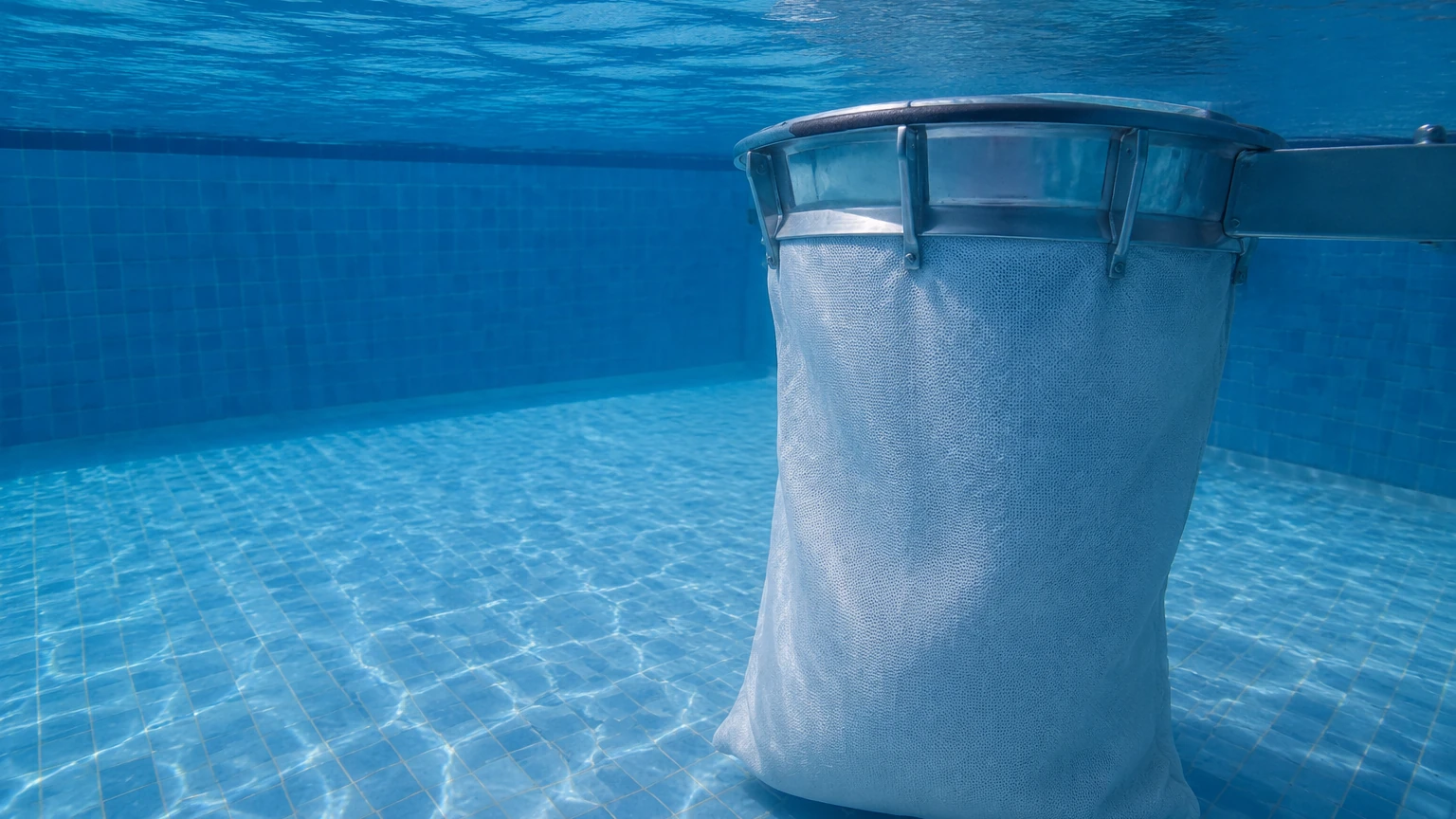
In the realm of commercial and industrial water management, the efficiency of a filtration system is often determined by its multi-stage approach. While primary filters—such as sand, DE (diatomaceous earth), or large-scale cartridge systems—handle the bulk of particulate removal, the role of pre-filtration components is critical for protecting downstream equipment. Sock filters for swimming pools represent a fundamental yet highly effective layer of mechanical pre-filtration designed to capture debris before it reaches the pump impeller or the primary filter media.
For engineers and facility managers overseeing large-scale aquatic centers, industrial cooling ponds, or commercial water features, understanding the technical specifications and material limitations of these components is essential. This guide examines the engineering principles, material selections, and performance metrics associated with high-performance filtration solutions.
Understanding the Role of Sock Filters for Swimming Pools
At its core, a sock filter is a fine-mesh sleeve designed to fit over a skimmer basket or within a dedicated pre-filter housing. Its primary function is the capture of macro-particulates—such as hair, lint, organic debris, and fine silt—that are small enough to pass through standard basket perforations but large enough to cause premature clogging or mechanical wear in the primary filtration loop.
In a B2B or industrial context, the use of sock filters for swimming pools is not merely about water clarity; it is about system longevity. By intercepting debris at the earliest possible stage, these filters reduce the frequency of backwashing in sand filters and extend the service life of expensive pleated cartridges. This staged filtration strategy minimizes the "Total Suspended Solids" (TSS) load on the main system, ensuring that the primary media can focus on microscopic particulates and chemical balancing.
Engineering Considerations: Flow Dynamics and Pressure Drop
When specifying filtration components for high-volume systems, engineers must account for the relationship between filtration fineness and hydraulic performance. Every layer of filtration introduces a degree of resistance, known as pressure drop (ΔP).
Micron Ratings and Capture Efficiency
Standard skimmer baskets typically have openings ranging from 1,000 to 3,000 microns. In contrast, industrial-grade sock filters can offer filtration levels as fine as 50 to 100 microns. While a lower micron rating captures more debris, it also increases the rate of blinding (clogging). For commercial applications, a balance must be struck to ensure that the filter does not cause cavitation in the pump due to restricted flow.
Surface Area and Velocity
The velocity of water passing through the filter mesh affects the "capture probability." High-velocity systems may force flexible debris through the mesh pores. To counteract this, high-performance systems utilize pleated designs or larger surface area sleeves to maintain low face velocity, which improves the retention of fine particulates and reduces the frequency of manual cleaning cycles.
Material Science in Filtration Components
The choice of material for a pool filtration sock is dictated by the chemical environment and the required mechanical strength. In commercial pool settings, where chlorine, bromine, and various pH adjusters are present in high concentrations, material degradation is a significant concern.
1. Nylon and Polyester: These are common for disposable or short-term use. They offer excellent flexibility and a wide range of micron ratings. However, they can be prone to stretching and chemical degradation over long exposure periods.
2. Polypropylene: Known for its superior chemical resistance, polypropylene is often used in industrial liquid filtration. It is hydrophobic and resistant to most acids and alkalis used in water treatment.
3. Stainless Steel Mesh: For heavy-duty industrial applications or permanent pre-filtration stages, stainless steel (specifically Grades 304 and 316) provides the highest level of durability. Stainless steel mesh filters are cleanable, reusable, and resistant to the high-pressure surges often found in commercial pump rooms.
For facilities requiring bespoke solutions, manufacturers like Kaifil provide specialized metal filtration components that can be integrated into custom housing units. You can Review product options and application support on the Main Page to understand how precision-engineered metal mesh compares to traditional synthetic options in demanding environments.
Industrial vs. Residential Filtration Standards
While residential pool owners might use simple fabric socks, B2B applications require a more rigorous approach to filtration. Commercial aquatic facilities operate 24/7 and must adhere to strict health department standards regarding turnover rates and water quality.
In these environments, the "sock filter" often evolves into a high-capacity bag filter or a stainless steel strainer element. The engineering requirements for these systems include:
* Burst Strength: The ability of the filter media to withstand high differential pressure without rupturing.
* Thermal Stability: Resistance to temperature fluctuations, especially in heated commercial spas or industrial heat exchange loops.
* Compatibility with Automated Systems: Many industrial systems utilize sensors to monitor the pressure differential across the filter, triggering an alert or an automated cleaning cycle when the media is loaded.
Durability and Chemical Compatibility
One of the most frequent points of failure in pool filtration is the chemical breakdown of the filter media. Chlorine is a powerful oxidizer that can embrittle synthetic fibers over time. When a filter sock fails, the captured debris is released instantaneously into the pump, potentially causing a system-wide shutdown.
For engineers, selecting a filter with a verified chemical compatibility chart is paramount. In high-salinity environments (such as saltwater pools or brine processing), 316L stainless steel is often the preferred material due to its resistance to pitting corrosion. Understanding the specific chemical profile of the water—including the presence of ozone or UV sterilization systems—is necessary before selecting the final filtration media.
Custom OEM Solutions for Filtration Equipment
Many industrial equipment manufacturers require custom-sized filtration components to fit proprietary housing designs. This is where OEM (Original Equipment Manufacturer) capabilities become vital. A custom-designed stainless steel filter can replace standard synthetic socks in applications where high temperatures, high pressures, or aggressive chemicals are present.
Customization options often include:
* Variable Micron Ratings: Tailoring the mesh to capture specific types of industrial waste.
* Reinforced Structures: Adding internal supports or outer cages to prevent media collapse under high flow rates.
* Specialized End Fittings: Ensuring a bypass-free seal within the filter housing.
By partnering with a manufacturer experienced in precision metal filtration, purchasing teams can secure components that reduce long-term maintenance costs and improve the overall reliability of the water treatment plant.
Total Cost of Ownership (TCO) and Maintenance Cycles
When evaluating sock filters for swimming pools for a commercial facility, the initial purchase price is only one component of the Total Cost of Ownership. A comprehensive TCO analysis should include:
* Labor Costs: How much time is spent by staff cleaning or replacing disposable socks? High-capacity or self-cleaning metal filters may have a higher upfront cost but significantly lower labor requirements.
* Disposal Costs: Synthetic socks are often single-use. In a large facility, the volume of waste generated can be substantial. Reusable stainless steel elements offer a more sustainable and cost-effective alternative over a 5-year horizon.
* Energy Efficiency: A clogged or poorly designed filter increases the head pressure on the pump, leading to higher electricity consumption. Maintaining a low ΔP through high-quality filtration media is an effective way to optimize energy use.
Technical Specification Checklist for Purchasing Teams
Before finalizing a procurement order for filtration components, technical professionals should confirm the following specifications:
1. Micron Rating: Is the rating nominal or absolute? Absolute ratings provide a higher level of certainty for critical applications.
2. Flow Rate Capacity: Does the filter support the maximum GPM (Gallons Per Minute) of the system without exceeding a 2 PSI initial pressure drop?
3. Material Grade: Is the material compatible with the specific disinfectant levels (e.g., 5-10 ppm free chlorine) and pH range of the system?
4. Dimensions and Tolerances: For OEM replacements, are the dimensions precise enough to prevent water bypass?
5. Cleaning Protocol: Can the filter be backwashed, ultrasonically cleaned, or chemically soaked for reuse?
Conclusion
Sock filters for swimming pools, when viewed through an industrial lens, are a vital component of a robust water treatment strategy. Whether utilizing advanced synthetic polymers or precision-engineered stainless steel mesh, these pre-filtration elements protect the core infrastructure of aquatic systems. For engineers and purchasing managers, the focus must remain on material compatibility, hydraulic efficiency, and long-term durability. By selecting the right filtration media and considering custom OEM solutions, facilities can ensure superior water quality while minimizing operational downtime and maintenance expenses. For more information on high-performance industrial filtration components, visit the Main Page to explore technical specifications and customized engineering support.
