


Rotary Screener
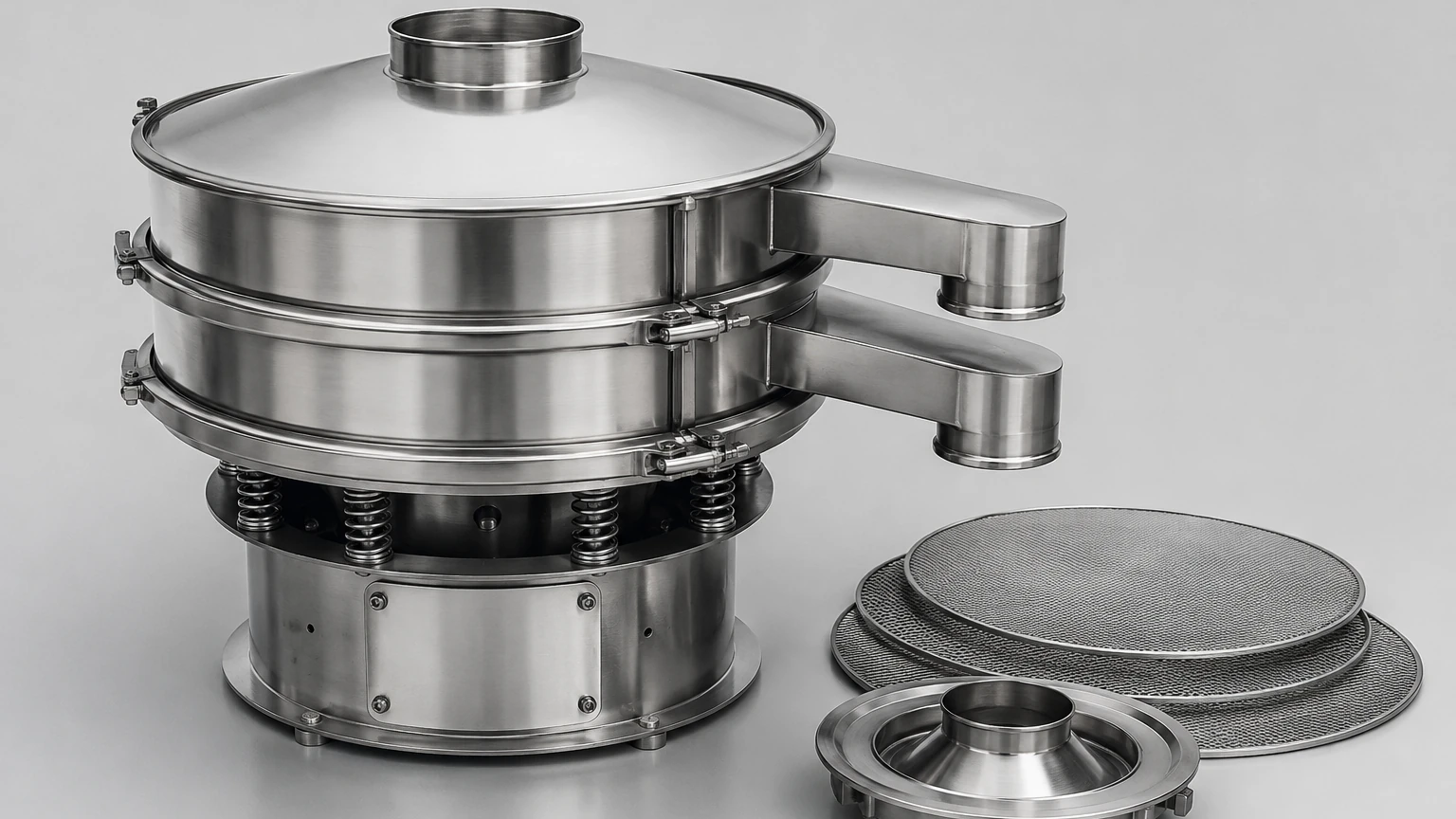
In industrial processing, the efficiency of material separation and liquid-solid filtration often hinges on the performance of mechanical screening systems. Among these, the rotary screener—also referred to as a trommel screen or centrifugal sifter—stands as a critical component for high-capacity classification. While the mechanical housing and drive system provide the motion, the internal filtration media, typically constructed from precision-engineered stainless steel wire mesh or perforated plate, determines the ultimate quality of the output.
For engineers and procurement specialists, selecting the right rotary screener components requires a deep understanding of fluid dynamics, material abrasive properties, and the technical specifications of the filtration surface. As a specialized manufacturer of stainless steel filtration solutions, Kaifil provides the technical expertise necessary to optimize these systems for demanding industrial environments.
Engineering Principles of Rotary Screening
A rotary screener operates on the principle of centrifugal force and gravity. Material is fed into a cylindrical drum that rotates at controlled speeds. As the drum turns, the material is lifted and then falls, or is forced against the screen surface by centrifugal action. This continuous motion ensures that every particle or fluid volume comes into contact with the screening media multiple times, significantly increasing the probability of passage for undersized materials compared to static or vibrating flat screens.
From an engineering perspective, the efficiency of a rotary screener is governed by several variables:
1. Rotational Speed: Higher speeds increase centrifugal force, which is beneficial for dewatering or separating sticky materials, but can also lead to increased wear on the mesh.
2. Drum Inclination: The angle of the drum dictates the residence time of the material. A steeper angle moves material through the system faster, increasing throughput but potentially reducing separation precision.
3. Screen Open Area: The ratio of open space to the total surface area of the mesh directly impacts flow rates and the risk of blinding (clogging).
The Role of Stainless Steel in Rotary Screener Performance
The choice of material for the screening surface is the most significant factor in the longevity and reliability of a rotary screener. In industries such as chemical processing, food and beverage, and pharmaceuticals, stainless steel is the industry standard due to its unique mechanical and chemical properties.
Corrosion Resistance
Stainless steel alloys, particularly Grade 304 and Grade 316L, provide the necessary resistance to oxidation and chemical attack. In wastewater treatment or chemical filtration, where the rotary screener is exposed to varying pH levels and corrosive agents, 316L stainless steel is preferred for its molybdenum content, which enhances resistance to pitting and crevice corrosion.
Mechanical Durability
Rotary screeners are subject to constant mechanical stress, including abrasion from solid particles and the tension required to keep the mesh taut. High-quality stainless steel wire mesh offers the tensile strength needed to resist deformation over thousands of hours of operation. This durability is essential for maintaining consistent filtration accuracy, as any stretching or tearing of the mesh would allow oversized particles to pass through the system.
Technical Criteria for Selecting Filtration Media
When specifying a rotary screener for a new installation or as a replacement component, engineers must evaluate several technical parameters to ensure the system meets performance expectations.
Micron Rating and Mesh Count
Filtration accuracy is defined by the micron rating, which indicates the largest particle size that can pass through the mesh. For fine separation, high-mesh-count stainless steel wire mesh is utilized. It is critical to balance the need for fine filtration with the requirement for high flow rates; a mesh that is too fine may lead to frequent blinding and increased maintenance costs.
Weave Types
Different weave patterns offer distinct advantages for rotary applications:
* Plain Weave: The most common and cost-effective, suitable for general-purpose screening.
* Twilled Weave: Allows for heavier wire diameters in a given mesh count, providing increased strength for high-load applications.
* Dutch Weave: Offers superior strength and is often used for high-pressure filtration where fine particles must be removed from liquid streams.
Structural Reinforcement
In larger rotary screeners, the wire mesh is often supported by a coarser backing screen or a perforated metal cylinder. This multi-layer construction prevents the fine mesh from sagging or collapsing under the weight of the material load, extending the replacement cycle of the internal components.
Customization and OEM Integration
No two industrial processes are identical, and off-the-shelf screening solutions often fall short of specific operational requirements. Customization is a core aspect of modern filtration engineering. As a professional manufacturer, Kaifil works closely with global customers to develop tailored filtration components that integrate seamlessly into existing rotary screener equipment.
Customization options include:
* Dimensional Precision: Ensuring the screen fits perfectly within the drum housing to prevent bypass leaks.
* Edge Treatments: Reinforced borders and specialized mounting hardware (such as flanges or hooks) to facilitate easy installation and high-tension mounting.
* Alloy Selection: Matching the metal grade to the specific chemical profile of the process fluid.
By focusing on these customized details, engineers can optimize the total cost of ownership (TCO) by reducing the frequency of unplanned downtime and improving the purity of the final product. For more information on our engineering capabilities, you can visit our Main Page.
Maintenance and Replacement Cycles
Reliability in industrial filtration is not just about the initial install; it is about predictable performance over time. The replacement cycle of a rotary screener's mesh depends on the abrasiveness of the material, the cleaning frequency, and the chemical environment.
Identifying Wear Patterns
Engineers should monitor for signs of "wire thinning" or "blind spots" where material has become permanently lodged in the mesh. In liquid applications, a gradual increase in pressure drop across the screen usually indicates that the media is reaching the end of its effective life.
Cleaning Protocols
To extend the life of a rotary screener, many systems incorporate backwashing sprays or mechanical brushes. The filtration media must be robust enough to withstand these cleaning forces without fraying. Stainless steel is particularly well-suited for these environments because it can be cleaned using high-pressure water or chemical CIP (Clean-in-Place) cycles without losing structural integrity.
Common Risks and Mitigation Strategies
Selecting an inadequate rotary screener component can lead to significant operational risks:
1. Media Blinding: Occurs when particles are near the size of the mesh openings and become trapped. This can be mitigated by selecting a mesh with a higher open area or utilizing specialized non-stick coatings.
2. Material Fatigue: Constant rotation and vibration can lead to stress fractures in the wire. Using high-tensile, annealed stainless steel helps absorb these stresses.
3. Bypass Leaks: If the screen is not manufactured to precise tolerances, material can bypass the filtration surface entirely. This is why OEM-quality manufacturing and precise dimensional control are non-negotiable for critical applications.
Conclusion
The rotary screener remains a workhorse of industrial separation, but its success is entirely dependent on the quality and specification of its internal filtration media. By prioritizing material grade, weave precision, and structural integrity, engineers can ensure their systems operate at peak efficiency.
Kaifil specializes in providing these high-performance, custom stainless steel filtration solutions. Whether you are designing a new system for chemical processing or seeking a more durable replacement for a food-grade application, our team provides the technical support and manufacturing precision required to meet your goals. To explore our full range of wire mesh and filter cartridge solutions, please refer to our Main Page.
