


Screening Wastewater Treatment
In the hierarchy of industrial and municipal water processing, screening wastewater treatment serves as the essential first line of defense. This preliminary stage is designed to remove large solids, debris, and particulate matter that could otherwise damage downstream equipment, obstruct piping, or compromise the efficiency of biological and chemical treatment stages. For engineers and facility managers, selecting the appropriate screening technology is not merely a matter of filtration; it is a critical engineering decision that impacts the total cost of ownership, maintenance frequency, and the longevity of the entire treatment plant.
Effective screening ensures that pumps, aerators, and membranes are protected from mechanical wear and clogging. As industrial processes become more complex, the demand for precision-engineered filtration components—specifically those constructed from high-grade stainless steel—has increased. This guide explores the technical nuances of screening, material considerations, and the engineering criteria necessary for optimizing wastewater treatment performance.
The Role of Screening in Wastewater Treatment Systems
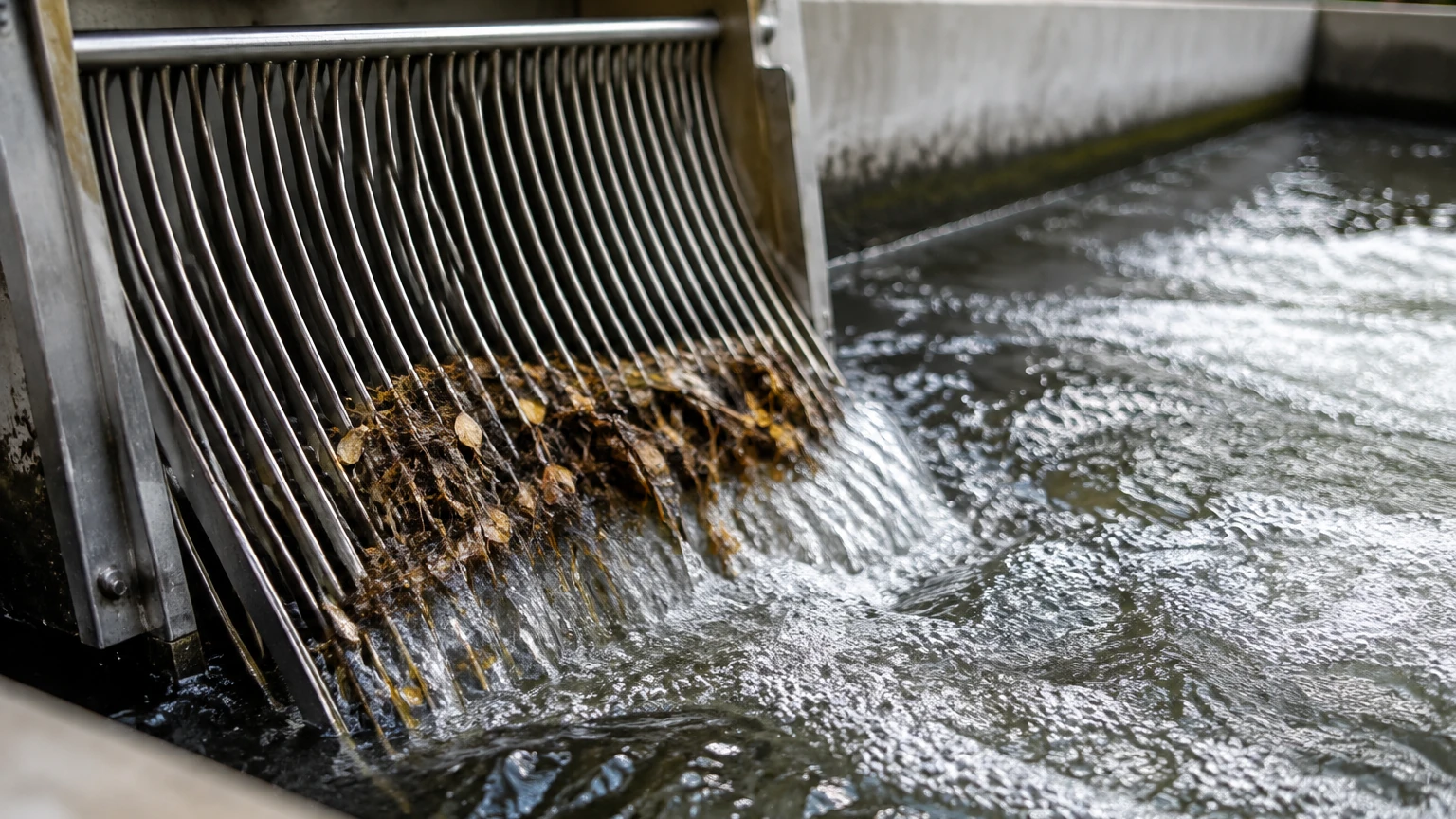
Screening is the physical process of separating suspended solids from the liquid stream based on size. Unlike secondary or tertiary treatment, which may rely on biological consumption or chemical precipitation, screening is purely mechanical. Its primary objective is to improve the reliability of the overall system.
In industrial settings, such as chemical processing or food and beverage production, the influent often contains specific byproducts—ranging from plastic fragments and fibers to organic husks and metal shavings. If these materials are not captured during the initial screening wastewater treatment phase, they can lead to several operational failures:
1. Pump Impeller Damage: Abrasive solids or large debris can cause catastrophic failure or accelerated wear on centrifugal pumps.
2. Pipe Blockage: Accumulation of fibrous materials (often referred to as "ragging") can significantly reduce flow capacity and increase energy consumption due to higher friction losses.
3. Process Interference: In biological reactors, non-biodegradable solids occupy valuable tank volume and can interfere with aeration equipment.
By implementing a robust screening strategy, facilities can ensure that the subsequent treatment steps operate within their design parameters, reducing the need for emergency repairs and unscheduled downtime.
Technical Classification of Screening Equipment
Screening equipment is generally classified by the size of the openings and the method of cleaning. Understanding these classifications is vital for specifying the correct component for a given application.
Coarse Screening
Coarse screens, often referred to as bar screens, typically have openings ranging from 6mm to 50mm or larger. These are used at the very beginning of the treatment process to capture the largest debris. In many industrial plants, coarse screens are the primary protection for raw sewage pumps. They can be manually cleaned in low-flow applications, but mechanical cleaning is standard for industrial-scale operations to maintain consistent flow.
Fine Screening
Fine screening wastewater treatment involves openings smaller than 6mm. These screens are often constructed from perforated plates, wedge wire, or woven wire mesh. Fine screens are critical for protecting sensitive downstream processes like Membrane Bioreactors (MBR). The precision of the opening size is paramount here; even a small percentage of bypass can lead to membrane fouling. For high-performance fine screening, stainless steel wire mesh filters provide the necessary filtration accuracy and structural integrity to handle high-pressure differentials.
Micro-Screening
Micro-screening utilizes openings as small as 15 to 50 microns. This level of screening is often used as a polishing step or in specific industrial recovery processes where valuable particulate matter must be reclaimed from the wastewater stream. At this level, the choice of material and the weave pattern of the stainless steel mesh become the defining factors in performance.
Material Selection and Engineering Durability
The environment within a wastewater treatment plant is inherently corrosive. The presence of hydrogen sulfide (H2S), chlorides, and various industrial chemicals necessitates the use of materials that can withstand long-term exposure without structural degradation. Stainless steel is the industry standard for these applications due to its superior mechanical properties and corrosion resistance.
Stainless Steel 304 vs. 316L
* Grade 304: Suitable for general wastewater applications where corrosion levels are moderate. It provides excellent strength and is cost-effective for many municipal projects.
* Grade 316L: Recommended for industrial wastewater containing high chloride concentrations or acidic components. The addition of molybdenum in 316L enhances its resistance to pitting and crevice corrosion, making it the preferred choice for chemical processing and pharmaceutical applications.
Structural Integrity and Customization
Beyond the alloy type, the physical construction of the filter component—whether it is a cylindrical cartridge, a flat panel, or a custom-shaped basket—must be engineered to withstand the hydraulic loads of the system. Custom stainless steel filtration solutions allow for the optimization of the "open area" ratio. A higher open area reduces the head loss across the screen, which in turn lowers the energy required to pump the fluid through the system. For more information on tailored filtration components, engineers can Review product options and application support to match specific industrial requirements.
Key Performance Metrics for Industrial Screening
When evaluating screening wastewater treatment components, engineers must look beyond the initial purchase price and focus on technical performance metrics that define the total cost of ownership.
Filtration Accuracy and Capture Rate
The capture rate is the percentage of solids of a target size that the screen successfully removes. This is influenced not only by the opening size but also by the velocity of the fluid passing through the screen. If the velocity is too high, flexible solids may be forced through the openings, a phenomenon known as "extruding."
Head Loss (Pressure Drop)
Head loss is the difference in the water level (or pressure) before and after the screen. Excessive head loss can lead to overflows or require the system to operate at higher pressures, increasing electrical costs. Engineering the screen with an optimal mesh count and wire diameter is essential to balance filtration fineness with hydraulic efficiency.
Cleaning and Backwash Efficiency
In automated systems, screens must be cleaned regularly to prevent blinding (clogging). The design of the screen surface plays a major role here. For instance, wedge wire screens have a V-shaped profile that reduces the risk of particles getting wedged in the openings, making them easier to clean via backwashing or mechanical scraping compared to standard square mesh.
Maintenance and Operational Efficiency
No screening system is "set and forget." The longevity of the screening wastewater treatment process depends on a proactive maintenance schedule and the selection of durable replacement components.
Identifying Wear and Blinding
Operators should monitor the differential pressure across the screens. A sudden increase in pressure often indicates blinding, which may be caused by a change in the influent characteristics (e.g., a spike in oils or fats) or a failure in the cleaning mechanism. Over time, even stainless steel components can suffer from erosion if the wastewater contains high levels of grit or sand.
Replacement Cycles
The replacement cycle for filter cartridges and mesh screens varies depending on the abrasiveness of the solids and the frequency of cleaning cycles. High-quality OEM components are designed to provide predictable service lives. When selecting replacement parts, it is vital to ensure that the filtration accuracy matches the original specifications to avoid downstream complications.
Customization for Specific Industrial Applications
Different industries present unique challenges for screening wastewater treatment. A one-size-fits-all approach often leads to sub-optimal performance.
* Food and Beverage: Requires sanitary designs that prevent bacterial growth. Stainless steel filters with smooth surface finishes and no dead zones are essential for compliance with health standards.
* Chemical Processing: Often involves extreme pH levels and high temperatures. In these cases, specialized alloys or reinforced filter structures are necessary to maintain filtration integrity.
* Hydraulic Systems: In industrial machinery, wastewater or process water may be under high pressure. Filter components must be engineered with high collapse strength to prevent structural failure during pressure surges.
Kaifil specializes in these types of custom stainless steel filtration solutions, providing the engineering expertise required to develop components that meet these demanding specifications. From material selection to the final design of the filter cartridge, every aspect is tailored to the specific industrial environment.
Conclusion: Selecting the Right Screening Solution
Screening wastewater treatment is a foundational process that dictates the success of all subsequent treatment stages. By focusing on technical parameters such as material grade, hydraulic head loss, and filtration accuracy, engineers can design systems that are both efficient and resilient.
When specifying components for a new facility or seeking upgrades for an existing system, it is important to partner with a manufacturer that understands the nuances of industrial filtration. Reliable performance starts with a deep understanding of the application's unique challenges and the delivery of precision-engineered metal filter components that can withstand the rigors of wastewater processing. For technical consultation and a closer look at high-performance filtration options, visit the Main Page to explore how customized solutions can optimize your wastewater treatment infrastructure.
