


Ultrafiltration Skid
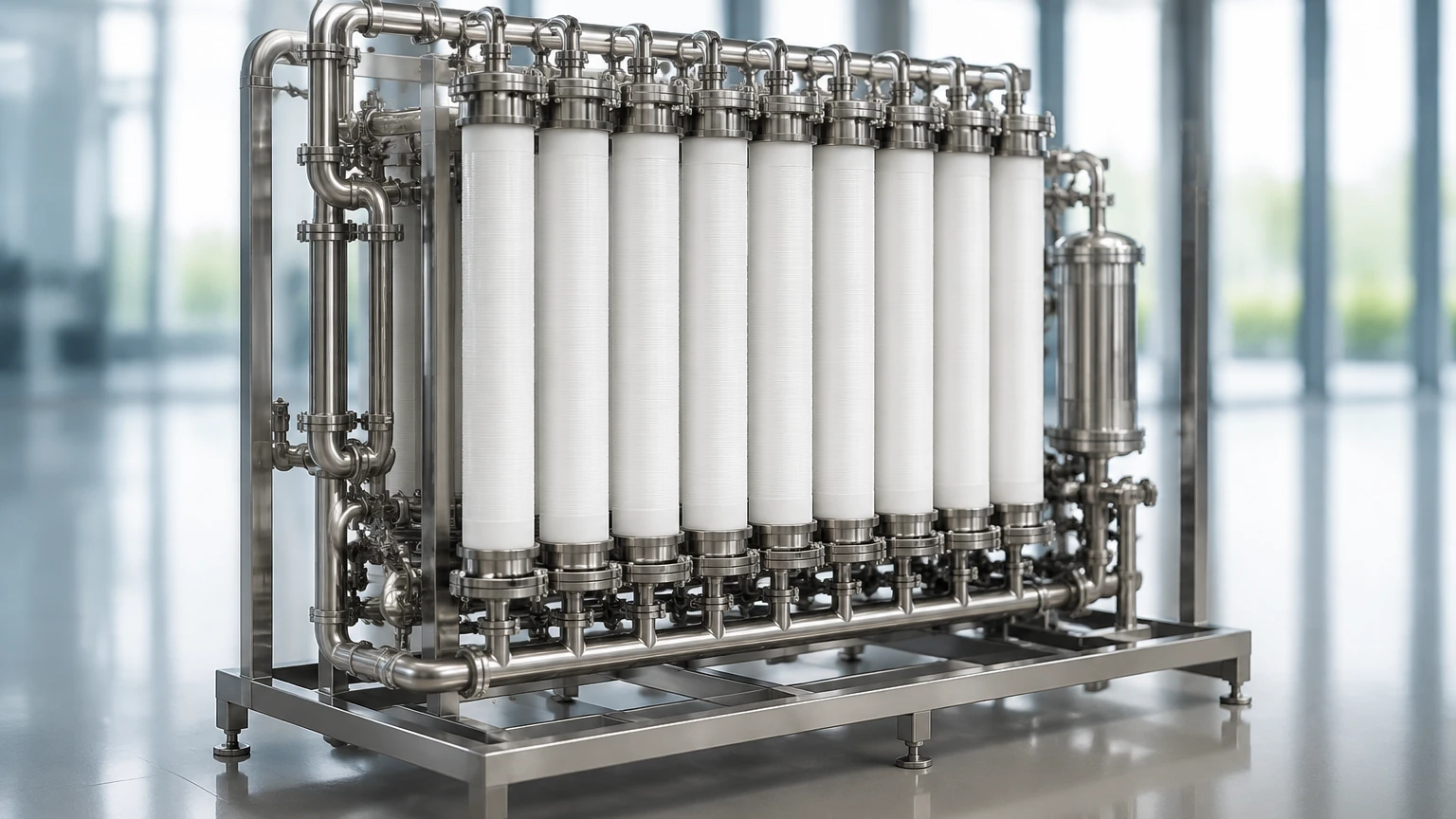
In the landscape of industrial water treatment and process fluid management, the ultrafiltration skid represents a critical modular solution for high-precision separation. As industries move toward more stringent water quality standards and the need for resource recovery, understanding the engineering nuances of these systems is essential for technical professionals and purchasing teams. An ultrafiltration (UF) skid is not merely a collection of membranes; it is an integrated process system designed to remove suspended solids, bacteria, viruses, and high-molecular-weight proteins from a feed stream while maintaining operational stability.
For engineers tasked with selecting or designing these systems, the focus must extend beyond the membrane itself to the mechanical integrity of the skid, the efficiency of the control logic, and the robustness of the pre-filtration stages. This guide examines the technical components, evaluation criteria, and operational considerations of industrial ultrafiltration skids.
Engineering Principles of Ultrafiltration Skids
Ultrafiltration is a pressure-driven membrane separation process that operates in the range between nanofiltration and microfiltration. The primary metric for UF performance is the Molecular Weight Cut-Off (MWCO), which typically ranges from 1,000 to 100,000 Daltons. This allows the system to effectively reject particles in the size range of 0.01 to 0.1 microns.
Membrane Configuration and Flow Dynamics
Most industrial ultrafiltration skids utilize hollow fiber membranes, though spiral-wound and plate-and-frame configurations are used in specific high-viscosity applications. Hollow fiber membranes offer a high surface-area-to-volume ratio, which is vital for maximizing flux within a compact skid footprint.
Flow dynamics generally follow two modes:
1. Dead-end Filtration: All the feed water passes through the membrane, and the rejected particles accumulate on the membrane surface, requiring periodic backwashing.
2. Cross-flow Filtration: The feed stream flows parallel to the membrane surface. The shear force created by the flow helps minimize the accumulation of a filter cake, which is particularly useful in high-solids applications.
Transmembrane Pressure (TMP)
The driving force of the ultrafiltration skid is the Transmembrane Pressure (TMP), defined as the pressure gradient across the membrane. Monitoring TMP is the primary method for assessing membrane health and fouling status. As fouling occurs, the TMP required to maintain a constant flux increases. Engineering a skid requires precise instrumentation to monitor these fluctuations and trigger automated cleaning cycles.
Key Components and Structural Design
A professional ultrafiltration skid is designed for "plug-and-play" integration into an existing industrial facility. This requires a focus on structural durability and component accessibility.
The Skid Frame
The structural backbone of the system is usually constructed from 304 or 316 stainless steel or epoxy-coated carbon steel. In corrosive environments, such as chemical processing or coastal desalination plants, 316L stainless steel is preferred for its superior resistance to pitting and crevice corrosion. The frame must be engineered to withstand the vibration of high-pressure pumps and the weight of water-filled membrane pressure vessels.
Pumping and Instrumentation
Centrifugal pumps are standard for feed and backwash cycles, often controlled by Variable Frequency Drives (VFDs) to optimize energy consumption. The instrumentation suite typically includes:
* Electromagnetic Flow Meters: To monitor permeate and concentrate flow rates.
* Pressure Transducers: Located at the inlet, outlet, and permeate lines to calculate TMP.
* Turbidity Meters: To ensure the quality of the effluent and detect membrane breaches.
* Conductivity Sensors: Used in applications where ionic concentration monitoring is required.
Automated Control Systems
Modern skids are managed by a Programmable Logic Controller (PLC) with a Human-Machine Interface (HMI). This system automates the filtration, backwash, and Clean-in-Place (CIP) sequences. For B2B buyers, the ability to integrate the skid's PLC with a facility-wide SCADA (Supervisory Control and Data Acquisition) system is a critical requirement for centralized monitoring.
The Role of Stainless Steel Pre-filtration in UF Systems
One of the most frequent causes of premature failure in ultrafiltration skids is inadequate pre-filtration. UF membranes are highly sensitive to physical damage from sharp particles and rapid fouling from heavy solids loading. To protect the investment in expensive membranes, a robust pre-filtration stage is mandatory.
This is where custom stainless steel filtration components become indispensable. Utilizing high-precision wire mesh filters or stainless steel filter cartridges at the 50 to 100-micron level ensures that large particulates are removed before they reach the UF modules. Unlike disposable plastic filters, stainless steel components offer:
* Mechanical Strength: They can withstand high differential pressures without bypassing.
* Thermal Stability: Essential for processes involving hot fluids or steam sterilization.
* Cleanability: Stainless steel mesh can be backwashed or ultrasonically cleaned, reducing the total cost of ownership over the system's lifespan.
Engineering a skid with high-quality metal pre-filters, such as those provided by specialized manufacturers like Main Page, ensures that the ultrafiltration membrane can focus on its primary task of sub-micron separation rather than dealing with coarse debris.
Evaluation Criteria for Industrial UF Skids
When evaluating an ultrafiltration skid for purchase, technical teams should look beyond the initial capital expenditure (CAPEX) and focus on long-term operational efficiency (OPEX).
Flux and Recovery Rates
Flux is measured in Liters per Square Meter per Hour (LMH). A higher flux allows for a smaller skid but increases the risk of rapid fouling. Recovery rate—the ratio of permeate to feed water—determines the efficiency of the system. In industrial settings, a recovery rate of 85% to 95% is typical, depending on the feed water quality.
Chemical Compatibility
The materials used in the gaskets, seals, and membrane housings must be compatible with both the process fluid and the chemicals used for CIP. For example, if chlorine is used for biofouling control, the membrane material (often PVDF or PES) and the surrounding hardware must be resistant to oxidative degradation.
Modularity and Scalability
Many industrial facilities require the ability to scale production. A modular skid design allows for the addition of more membrane vessels in the future without a complete redesign of the pumping and control infrastructure.
Common Risks and Operational Challenges
Operating an ultrafiltration skid involves managing the inevitable phenomenon of membrane fouling. Fouling can be categorized into four types:
1. Biofouling: The growth of microorganisms on the membrane surface.
2. Organic Fouling: The adsorption of organic matter like humic acids.
3. Inorganic Scaling: The precipitation of minerals like calcium carbonate.
4. Physical Plugging: The accumulation of solids in the fiber lumens.
Maintenance and Cleaning Cycles
To combat fouling, skids utilize several cleaning strategies. Backpulsing involves reversing the flow of permeate back through the membrane to dislodge particles. Chemically Enhanced Backwash (CEB) introduces low concentrations of cleaning agents during the backwash cycle. Finally, a full Clean-in-Place (CIP) involves circulating concentrated cleaning solutions through the system for an extended period. The design of the skid must allow for easy chemical dosing and waste neutralization.
Integrity Testing
For industries like pharmaceuticals or drinking water production, ensuring the integrity of the membrane is a regulatory requirement. Pressure Decay Testing (PDT) or vacuum hold tests are often integrated into the skid's automated logic to detect broken fibers that could compromise the permeate quality.
Customization and Integration for B2B Applications
Standardized ultrafiltration skids often fall short in specialized industrial environments. Customization is frequently required to meet specific spatial constraints or process requirements. OEM manufacturers play a vital role here, providing tailored filtration components that fit the unique hydraulic profiles of a specific skid design.
Material Selection for Specific Industries
* Food and Beverage: Requires 316L stainless steel with high-polish finishes (Ra < 0.8 µm) to prevent bacterial harborage and comply with FDA standards.
* Chemical Processing: May require exotic alloys or specialized fluoropolymer seals for compatibility with aggressive solvents.
* Hydraulic Systems: Often use high-pressure stainless steel cartridges to handle the viscosity and pressure fluctuations of hydraulic fluids.
By working with a manufacturer that understands the complexities of metal filtration, engineers can ensure that every component of the skid—from the pre-filter to the final housing—is optimized for the specific application.
Conclusion
The ultrafiltration skid is a sophisticated piece of process equipment that requires a balance of membrane science, mechanical engineering, and automated control. By focusing on robust pre-filtration, high-quality material selection, and intelligent system design, industrial users can achieve reliable, long-term separation performance. Whether the application is wastewater reclamation, protein concentration, or cooling tower blowdown treatment, the success of the system depends on the synergy of its components. For those seeking technical guidance on the metal filtration components essential for these systems, consulting the resources available at the Main Page can provide the necessary engineering support to optimize skid performance.
