


3 16 Expanded Metal
In industrial filtration and structural engineering, the selection of support materials is critical to the longevity and efficiency of the system. Among the various options available, 3 16 expanded metal—referring to the 3/16-inch thickness or strand width specification—stands out as a robust solution for heavy-duty applications. Unlike woven wire mesh, expanded metal is produced from a single solid sheet of material, providing unique mechanical properties that are essential for high-pressure environments and corrosive processing conditions.
For engineers and procurement specialists, understanding the technical nuances of 3 16 expanded metal is vital for ensuring that filtration components can withstand mechanical stress while maintaining optimal flow rates. This guide explores the manufacturing, material selection, and application of this material within the context of industrial filtration and precision metal components.
Understanding the Specifications of 3 16 Expanded Metal
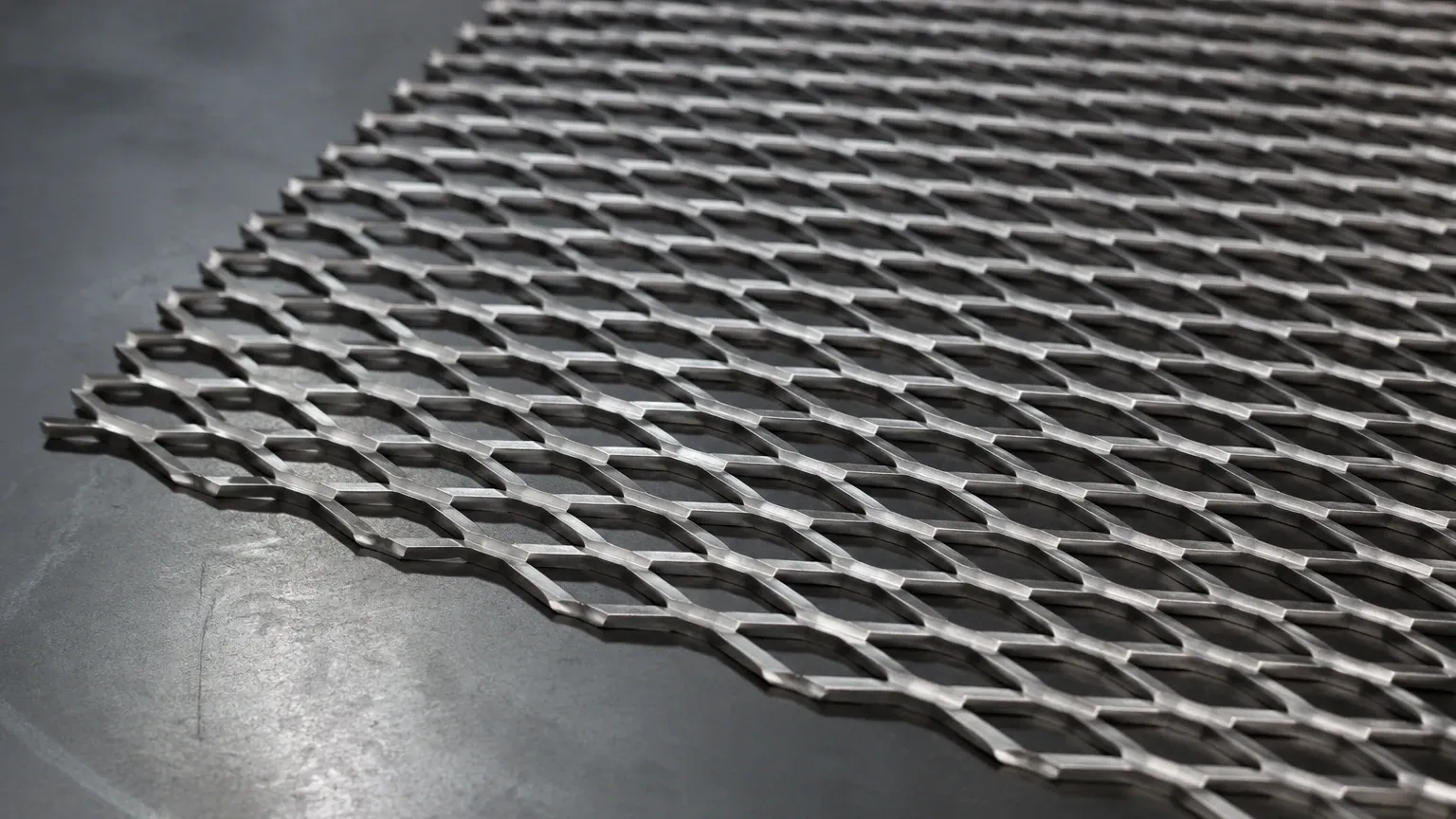
Expanded metal is defined by its manufacturing process: a metal sheet is simultaneously slit and stretched, creating a diamond-shaped pattern of openings. The "3/16" designation typically refers to either the thickness of the base material or the width of the strands created during the expansion process. In heavy industrial contexts, a 3/16-inch thickness provides significant structural rigidity, making it suitable for larger filter housings and high-differential pressure applications.
There are two primary forms of expanded metal used in industry: raised and flattened.
1. Raised Expanded Metal: This is the standard form as it comes off the expanding machine. The strands are set at a sharp angle to the plane of the sheet. This creates a textured surface that can be advantageous for certain pre-filtration tasks where mechanical agitation or high surface area is required. However, the thickness of the finished sheet is significantly greater than the original material thickness.
2. Flattened Expanded Metal: This material is passed through a cold-rolling mill after expansion. This process flattens the strands and bonds back into the same plane as the original sheet. For filtration applications, flattened 3 16 expanded metal is often preferred because it provides a smooth surface that does not damage delicate inner layers of fine wire mesh or synthetic filter media.
When evaluating Perforated & Expanded Metal, engineers must specify the Short Way of Design (SWD) and Long Way of Design (LWD), which define the dimensions of the diamond openings. These dimensions, combined with the 3/16-inch strand thickness, determine the percentage of open area, which directly impacts the flow velocity and pressure drop across the filter element.
Manufacturing Processes and Structural Integrity
The manufacturing of 3 16 expanded metal is a waste-free process, as no material is removed during the slitting and stretching. This makes it a cost-effective alternative to perforated metal in many scenarios. From an engineering perspective, the structural integrity of expanded metal is one of its primary advantages. Because the material is not welded or joined, but rather a single piece of expanded steel, it maintains excellent tensile strength and can distribute loads evenly across the diamond pattern.
In the production of industrial filters, the 3/16-inch thickness is often utilized for the outer cages or inner cores of large-scale cartridges. The expansion process creates a truss-like structure. This geometry allows the material to resist deformation under the weight of heavy filter cakes or during high-pressure backwashing cycles. When used as a support for finer mesh, the 3/16-inch strands provide a stable foundation that prevents the mesh from migrating or collapsing into the flow stream.
Material Considerations for Industrial Filtration
While expanded metal can be produced from carbon steel, aluminum, or specialty alloys, stainless steel is the standard for the industries Kaifil serves, including chemical processing, pharmaceuticals, and food and beverage. The choice of material grade is as important as the physical dimensions of the 3 16 expanded metal.
* Grade 304 Stainless Steel: This is the most common grade used for general industrial filtration. It offers good corrosion resistance and excellent forming characteristics. It is suitable for water treatment and most food-grade applications where the environment is not excessively acidic or saline.
* Grade 316/316L Stainless Steel: For more demanding environments, such as pharmaceutical manufacturing or chemical processing involving chlorides, 316L stainless steel is required. The addition of molybdenum enhances the material's resistance to pitting and crevice corrosion. When 3 16 expanded metal is manufactured from 316L, it provides a durable, long-term solution for aggressive media.
The durability of these materials ensures that the filter components do not introduce contaminants into the process stream through oxidation or material degradation. Furthermore, stainless steel expanded metal can be easily cleaned and sterilized, meeting the stringent hygiene requirements of the food and beverage industry.
Applications in Heavy-Duty Filtration Systems
In the context of industrial filtration, 3 16 expanded metal serves several critical functions. It is rarely used as the primary filtration medium for fine particles; instead, it acts as the structural backbone for complex filter assemblies.
1. Support Cores for Filter Cartridges
In high-flow liquid filtration, the pressure differential across the filter media can be substantial. A core made of 3/16-inch expanded metal provides the necessary hoop strength to prevent the cartridge from collapsing inward. The diamond pattern allows for a high percentage of open area (often exceeding 60-70%), ensuring that the support structure does not significantly contribute to the overall pressure drop of the system.
2. Protective Outer Guards
Filter elements are often susceptible to mechanical damage during installation, removal, or handling. An outer cage of 3 16 expanded metal protects the delicate inner layers of wire mesh or pleated media from impact and abrasion. This is particularly important in hydraulic systems and water treatment plants where large debris might be present in the initial stages of the process.
3. Pre-Filtration and Debris Removal
In certain coarse filtration applications, such as intake screens for cooling water or large-scale industrial strainers, the 3/16-inch expanded metal may serve as the primary filter. It is effective at capturing large particulates, leaves, and other debris that could damage downstream pumps and sensitive equipment.
Engineering Selection Criteria for Expanded Metal
When selecting 3 16 expanded metal for a specific project, engineers must move beyond simple dimensions and consider the operational variables of the application. The following criteria are essential for an informed purchasing decision:
* Open Area Percentage: This is the ratio of the area of the openings to the total area of the sheet. For filtration, a higher open area is generally preferred to minimize flow resistance. However, there is a trade-off between open area and mechanical strength. Engineers must calculate the minimum required strength to support the filter media against the maximum expected pressure differential.
* Flow Direction: The orientation of the diamond pattern (LWD vs. SWD) relative to the flow can influence turbulence and pressure drop. In most cartridge designs, the LWD is oriented around the circumference to maximize structural stability.
* Surface Finish: For pharmaceutical and food applications, the expanded metal must be free of burrs and sharp edges. Electropolishing or mechanical deburring may be necessary after the expansion process to ensure the component meets sanitary standards.
* Compatibility: Ensure that the 3/16-inch thickness is compatible with the existing housing dimensions and the sealing mechanisms of the filter assembly. Over-specifying thickness can lead to unnecessary weight and increased costs, while under-specifying can lead to structural failure.
Maintenance and Operational Longevity
The total cost of ownership for filtration components is heavily influenced by their maintenance requirements and service life. 3 16 expanded metal, particularly when fabricated from high-grade stainless steel, offers exceptional longevity.
Because expanded metal is a single-piece construction, it lacks the weld points that are often the first sites of corrosion or mechanical failure in other types of support structures. This makes the components easier to clean using ultrasonic baths or high-pressure spray systems, as there are fewer crevices where bacteria or particulates can accumulate.
In systems where the filter is subject to frequent backwashing or vibration, the rigidity of the 3/16-inch strand prevents fatigue cracking. Regular inspections should focus on checking for any signs of deformation or erosion of the strands, especially in high-velocity gas or abrasive liquid streams. If the expanded metal is used as a support for a finer mesh, the bond between the two materials should be inspected to ensure no bypass is occurring.
Customization and OEM Integration
Every industrial filtration challenge is unique, and off-the-shelf solutions often fall short of specific performance requirements. Kaifil specializes in providing customized filtration solutions that integrate 3 16 expanded metal into precision-engineered components.
From material selection to the specific geometry of the expansion pattern, customization allows for the optimization of flow dynamics and structural integrity. Whether the requirement is for a specific grade of stainless steel to handle a particular chemical or a unique diamond size to support a proprietary filter media, working with a manufacturer that understands the engineering behind the material is essential.
By focusing on the technical requirements of the application—such as pressure ratings, flow rates, and chemical compatibility—engineers can ensure that their use of 3 16 expanded metal contributes to a reliable and efficient filtration process. For more information on selecting the right materials for your industrial needs, you can Review product options and application support to find the ideal configuration for your specific filtration environment.
