


Bi Expanded Metal
In the landscape of industrial material science, the selection of structural and filtration media requires a precise balance between mechanical strength, open area, and material efficiency. Bi expanded metal, a specialized variation within the broader category of Perforated & Expanded Metal, represents a critical component for engineers designing high-performance systems. Whether used as a support substrate for fine wire mesh or as a standalone filtration element, understanding the technical nuances of this material is essential for optimizing industrial processes.
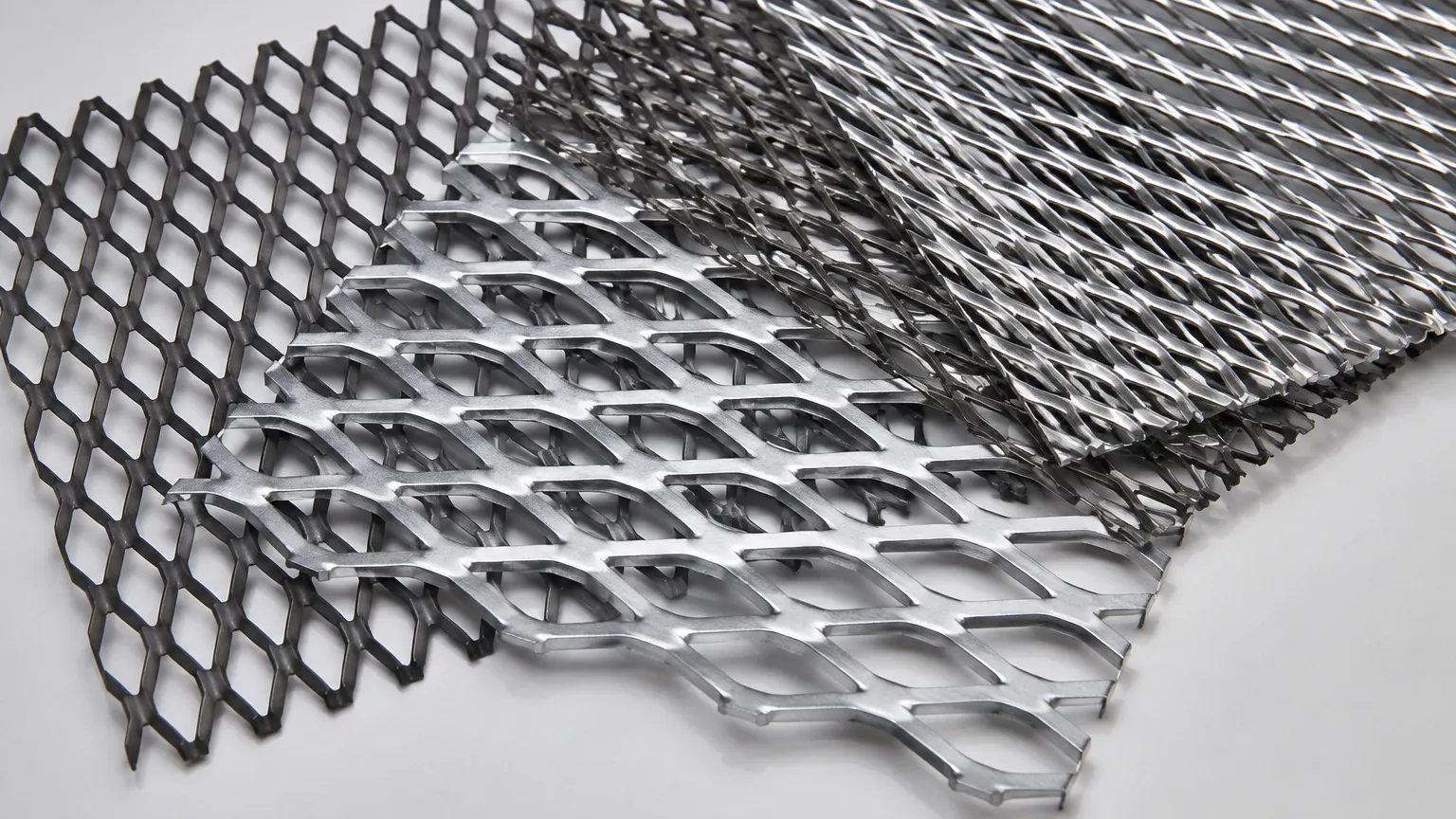
Bi expanded metal—often referring to bidirectional expanded metal or expanded metal utilized in bipolar plate assemblies and specialized structural grids—is characterized by its unique manufacturing process. Unlike perforated metal, which is created by punching holes and removing material, expanded metal is produced through a simultaneous slitting and stretching process. This results in a continuous, jointless mesh that retains the inherent strength of the original metal sheet while providing a three-dimensional structure that enhances fluid dynamics and structural rigidity.
Understanding the Geometry and Mechanics of Bi Expanded Metal
The performance of bi expanded metal is dictated by its geometric configuration. In industrial applications, engineers must specify several key dimensions to ensure the material meets the operational requirements of the system. The most critical parameters include the Long Way of the Diamond (LWD), the Short Way of the Diamond (SWD), strand width, and strand thickness.
The LWD and SWD define the size of the openings, which directly impacts the flow rate and particle retention capabilities. In a "bi" or bidirectional context, the orientation of these diamonds is often engineered to provide uniform tensile strength across both the X and Y axes. This is particularly important in high-pressure filtration environments where the media must resist deformation from multidirectional forces.
One of the primary advantages of the expansion process is the creation of "bonds." These are the points where the strands intersect. Because the metal is stretched rather than welded or woven, these bonds are part of the original base metal, meaning there are no weak points or areas prone to fraying. This structural integrity makes bi expanded metal an ideal choice for heavy-duty support in filter cartridges, where it must withstand significant pressure differentials without collapsing.
Material Selection for Corrosive and High-Temperature Environments
The utility of bi expanded metal is largely defined by the alloy from which it is fabricated. Since these components are frequently exposed to aggressive chemicals, high temperatures, and high-pressure steam, material selection is a foundational engineering decision.
Stainless Steel (304 and 316L)
Stainless steel is the industry standard for most filtration and structural applications. Type 304 provides excellent strength and basic corrosion resistance, suitable for many food and beverage or general industrial uses. However, for chemical processing and pharmaceutical applications, Type 316L is preferred due to the addition of molybdenum, which enhances resistance to pitting and crevice corrosion in chloride-rich environments.
Specialty Alloys
In specialized sectors, such as hydrogen fuel cell production or advanced chemical synthesis, bi expanded metal may be produced from titanium, nickel, or Monel. Titanium expanded metal is often used in bipolar plates (bi-plates) due to its high strength-to-weight ratio and exceptional resistance to oxidation. These materials require precise expansion techniques to maintain the integrity of the thin-gauge foils used in these high-tech applications.
Comparing Perforated & Expanded Metal for Industrial Filtration
When evaluating Perforated & Expanded Metal for a project, engineers often weigh the pros and cons of each manufacturing method. While both serve similar roles in filtration and separation, their physical properties differ significantly.
1. Material Utilization: Perforated metal involves punching out shapes, which can result in up to 40% material waste. Expanded metal is slit and stretched, resulting in nearly zero waste. For expensive alloys like titanium or 316L stainless steel, this makes bi expanded metal a much more cost-effective solution.
2. Structural Rigidity: The three-dimensional "truss" structure of expanded metal provides higher rigidity per pound than flat perforated sheets. This allows for the use of thinner, lighter materials without sacrificing the structural integrity of the filter element.
3. Flow Characteristics: Perforated metal offers a flat surface with precise hole diameters, which is easier to clean and provides a predictable pressure drop. Expanded metal, however, creates a degree of turbulence due to its angled strands. In some applications, this turbulence is beneficial for mixing or heat exchange, while in others, it must be carefully managed to avoid excessive pressure loss.
Key Applications of Bi Expanded Metal in Modern Industry
The versatility of bi expanded metal allows it to function across a wide range of industrial sectors. Its primary role is often as a "skeleton" for more delicate filtration media, but its uses extend far beyond simple support.
Support for Pleated Filter Elements
In hydraulic and oil filtration, fine wire mesh or fiberglass media is often pleated to increase surface area. Bi expanded metal is used as an inner and outer support core to maintain the pleat geometry under high flow velocities. Its bidirectional strength ensures that the pleats do not bunch or collapse, which would otherwise lead to a rapid increase in pressure drop and premature filter failure.
Electrochemical and Energy Storage
In the energy sector, bi expanded metal is a critical component in the construction of electrodes and bipolar plates. The expanded structure provides a high surface area for chemical reactions while maintaining a conductive path for electrons. The "bi" aspect here often refers to the bidirectional flow channels created by the mesh, which facilitate the movement of gases and electrolytes in fuel cells and electrolyzers.
Pre-filtration and Coarse Separation
In water treatment and HVAC systems, expanded metal serves as a robust pre-filter. It captures large debris before it can reach and damage more sensitive downstream components. The open area can be customized to provide the necessary balance between filtration efficiency and service life.
Engineering Specifications and Customization Parameters
To achieve optimal performance, bi expanded metal must be tailored to the specific application. At Kaifil, customization is a core part of the manufacturing process, allowing engineers to define parameters that go beyond standard off-the-shelf mesh.
* Flattened vs. Raised: Standard expanded metal has a raised, three-dimensional surface. For applications requiring a smooth finish—such as when the metal is in direct contact with a delicate membrane—the mesh can be "flattened" through a cold-rolling process. This reduces the thickness and creates a smooth, level surface while maintaining the expanded pattern.
* Strand Geometry: The width and thickness of the strands can be adjusted to increase the load-bearing capacity or to change the percentage of open area. In filtration, a higher open area reduces initial pressure drop, while thicker strands increase the burst pressure of the filter cartridge.
* Edge Configurations: For OEM integration, the edges of the bi expanded metal can be supplied as "random cut" or with a solid "bond edge" to facilitate welding and assembly into larger housings.
Quality Control and Procurement Considerations
When sourcing bi expanded metal for industrial use, purchasing teams must look beyond the initial price point and consider the total cost of ownership. Quality manufacturing ensures that the material will perform reliably over its intended service life, reducing the frequency of replacement and the risk of system downtime.
Key quality indicators include:
* Dimensional Tolerance: Consistency in LWD and SWD is vital for ensuring uniform flow and structural stability across the entire sheet or roll.
* Material Certification: Reliable manufacturers provide mill test reports (MTRs) to verify the chemical composition and mechanical properties of the alloy used.
* Surface Finish: For pharmaceutical and food-grade applications, the metal must be free of burrs, oils, and contaminants. Processes like ultrasonic cleaning and electropolishing are often employed to meet these stringent hygiene standards.
Engineers should also consider the ease of installation and compatibility with existing hardware. Custom-sized components that arrive ready for assembly can significantly reduce labor costs and minimize the risk of errors during the fabrication of filter housings or industrial screens.
Conclusion: Selecting the Right Solution
Bi expanded metal is a sophisticated engineering material that offers unique advantages in terms of strength, material efficiency, and versatility. By understanding the relationship between its geometric properties and its performance in the field, technical professionals can make informed decisions that enhance the durability and efficiency of their filtration systems.
Whether you are designing a high-pressure hydraulic filter, a chemical processing strainer, or a specialized electrochemical component, the integration of high-quality Perforated & Expanded Metal is a proven strategy for achieving industrial excellence. As a professional manufacturer, Kaifil provides the technical expertise and manufacturing precision required to deliver custom filtration solutions that meet the most demanding specifications. Focusing on material integrity and precise customization ensures that every component contributes to the long-term success of your industrial application.
