


Expanded Metal Box
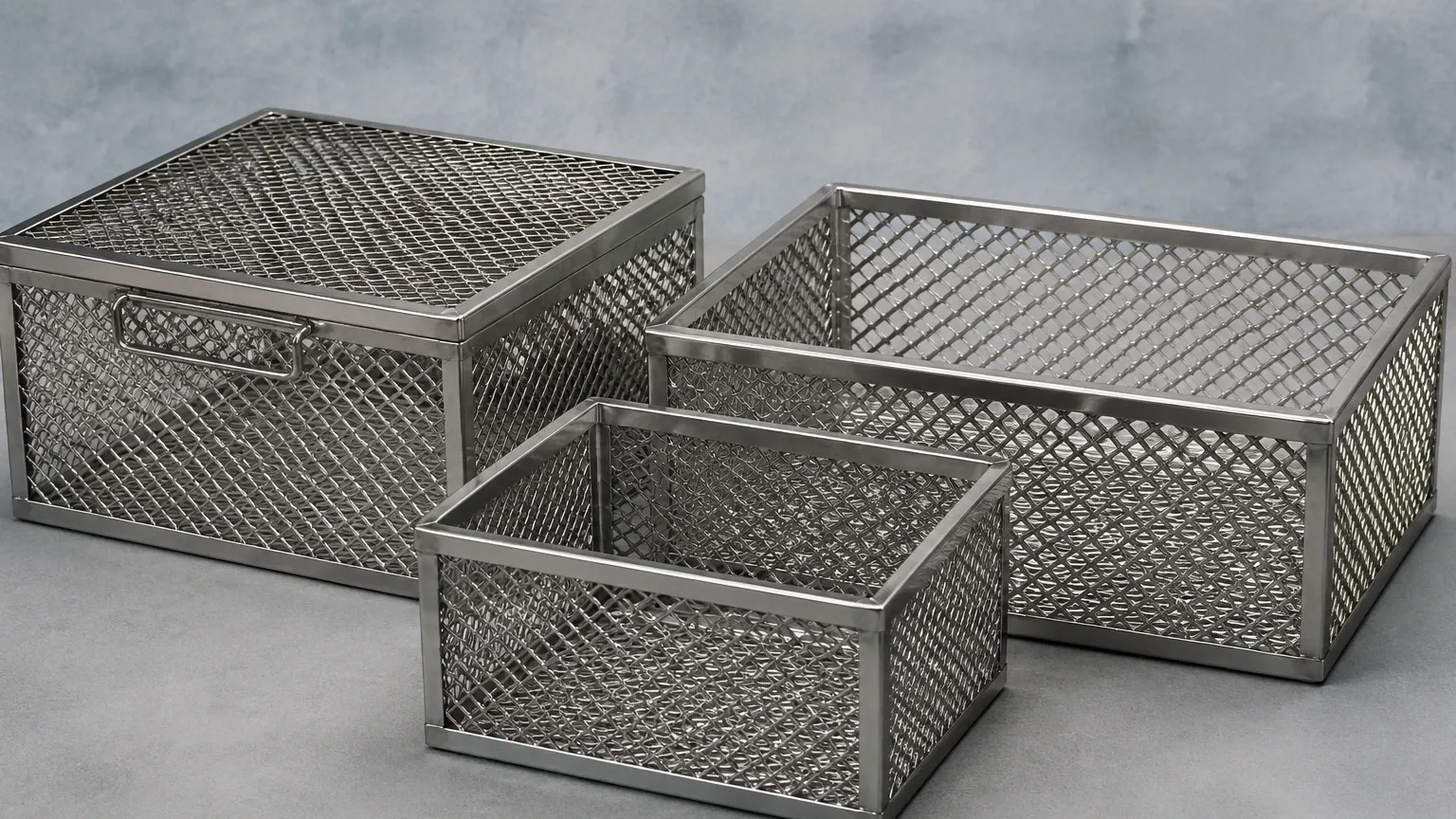
In industrial engineering and manufacturing, the requirement for robust, breathable, and durable containment solutions often leads professionals to the expanded metal box. Unlike solid-wall containers or delicate wire mesh baskets, an expanded metal box offers a unique balance of structural integrity and open-area functionality. For engineers managing chemical processing, wastewater treatment, or heavy industrial filtration, understanding the technical nuances of these components is essential for optimizing system performance and longevity.
At its core, the utility of these boxes stems from the Perforated & Expanded Metal manufacturing process. By slitting and stretching metal sheets into a diamond-shaped lattice, manufacturers create a material that is significantly stronger than its original weight while providing the necessary apertures for fluid or airflow. When fabricated into a box configuration, this material serves as a critical component in various industrial workflows.
Engineering Principles of Expanded Metal Fabrication
To specify the right expanded metal box, one must first understand how the base material is produced and how those properties translate to a three-dimensional structure. Expanded metal is created through a process of simultaneous slitting and stretching. Unlike perforated metal, which involves punching out holes and creating scrap material, expanding metal is a zero-waste process. This makes it a cost-effective choice for large-scale industrial applications.
The Diamond Lattice Structure
The geometry of the "diamond" is defined by two primary measurements: the Long Way of the Diamond (LWD) and the Short Way of the Diamond (SWD). For an expanded metal box, the orientation of these diamonds affects the box's rigidity and its ability to retain or shed materials.
* Raised vs. Flattened: In its standard form, expanded metal has "raised" strands that sit at an angle to the original plane of the sheet. This provides maximum grip and structural stiffness. For applications where a smooth surface is required—such as in certain food processing or pharmaceutical parts-washing boxes—the metal can be cold-rolled to create a "flattened" surface.
* Strand Thickness and Width: These dimensions determine the load-bearing capacity of the box. Engineers must calculate the weight of the media or parts being contained to ensure the strand width can withstand the stress without deforming over time.
Structural Advantages of an Expanded Metal Box
When compared to other containment methods, the expanded metal box provides several distinct advantages that are particularly relevant in B2B industrial environments.
1. High Strength-to-Weight Ratio
Because the metal is stretched rather than assembled from separate wires, the junctions of the diamonds are solid (not welded or woven). This creates a continuous structure that distributes weight and impact more effectively than traditional wire mesh. This is critical for boxes used in heavy-duty parts degreasing or as protective housings for sensitive filtration equipment.
2. Superior Drainage and Airflow
The open area of an expanded metal box can be precisely calibrated during the expansion process. In filtration pre-treatment, this allows for the rapid drainage of liquids while retaining larger debris. In ventilation or drying applications, the angled strands of a raised expanded metal box can even be used to deflect or direct airflow, depending on the orientation of the panels.
3. Visual Inspection and Security
In many industrial settings, it is necessary to see the contents of a container without opening it. The lattice structure provides high visibility, which is essential for inventory management or monitoring the status of a filtration process. Additionally, the inherent strength of the material makes it an excellent choice for security enclosures for high-value industrial components.
Material Selection for Demanding Environments
The performance of an expanded metal box is heavily dependent on the alloy used in its construction. At Kaifil, the focus is often on stainless steel due to its superior performance in harsh industrial sectors.
* Stainless Steel 304: The standard choice for most industrial applications. It offers excellent corrosion resistance and is suitable for most water treatment and general manufacturing environments.
* Stainless Steel 316/316L: Specified for environments with high chloride exposure or aggressive chemical agents. This is the preferred material for marine applications, pharmaceutical production, and specialized chemical processing where preventing contamination is paramount.
* Carbon Steel and Galvanized Steel: While these materials are used in less demanding environments to reduce costs, they often require additional coatings to prevent oxidation, which may not be suitable for high-purity filtration systems.
Customization and Engineering Considerations
An off-the-shelf solution rarely meets the precise needs of a complex industrial system. When designing a custom expanded metal box, several engineering factors must be addressed during the OEM phase.
Framing and Reinforcement
While the expanded metal itself is rigid, a box requires a solid frame to maintain its shape under load. Common framing options include angle iron, U-edging, or solid round bars. The method of attachment—typically TIG or MIG welding—must be executed to ensure that there are no gaps or weak points where stress fractures could occur.
Tolerances and Dimensional Accuracy
For boxes that must fit into existing machinery or filtration housings, dimensional accuracy is critical. Engineers should specify tolerances for the overall length, width, and height, as well as the flatness of the panels. In high-precision environments, even a few millimeters of deviation can lead to bypass in a filtration system or mechanical interference in an automated assembly line.
Surface Finishing
Depending on the application, the box may require specific surface treatments:
* Electropolishing: Common in the pharmaceutical and food industries to remove surface impurities and create a mirror-like finish that is easy to sanitize.
* Passivation: A chemical process that enhances the protective oxide layer on stainless steel, further improving corrosion resistance.
* Deburring: Essential for safety and to prevent the snagging of materials, ensuring all sharp edges created during the slitting and stretching process are smoothed.
Applications in Filtration and Industrial Processing
The expanded metal box is a versatile tool across multiple sectors. Its primary roles often involve protection, separation, or containment.
Parts Washing and Degreasing
In automotive and aerospace manufacturing, small components must be cleaned in bulk. An expanded metal box allows cleaning solvents to circulate freely around the parts while providing the structural strength to be lifted by overhead cranes or moved on conveyor systems.
Filtration Pre-treatment
Before fine filtration occurs, large solids must be removed to prevent clogging the primary filter elements. Expanded metal boxes serve as effective "basket strainers" or intake screens. They capture large debris—such as stones, wood, or plastic—while allowing the fluid to pass through to the next stage of the filtration process.
Hazardous Material Storage
For the storage of chemicals or gas cylinders, expanded metal boxes provide the necessary ventilation to prevent the buildup of fumes while ensuring the contents remain secure and protected from external impact.
Selection Guide: Questions for Procurement and Engineering
Before finalizing a purchase order for an expanded metal box, technical teams should evaluate the following criteria to ensure the product meets the intended application’s demands:
1. What is the maximum load capacity? Consider both the static weight of the contents and the dynamic forces if the box is to be moved or vibrated.
2. What are the chemical exposure levels? Identify all fluids, cleaning agents, or gases the box will encounter to select the appropriate stainless steel grade.
3. What is the required open area? Balance the need for airflow/drainage with the need to retain the smallest particle size in the box.
4. Are there specific hygiene requirements? For food or medical applications, specify flattened metal and electropolishing to eliminate areas where bacteria could grow.
5. How will the box be handled? Determine if the design needs to include integrated handles, casters, or forklift pockets.
Maintenance and Longevity
One of the primary reasons engineers specify stainless steel expanded metal boxes is their long service life. However, maintaining that longevity requires a scheduled inspection and cleaning regimen.
In filtration applications, the box should be inspected for "blinding"—where particles become lodged in the diamond apertures. High-pressure washing or ultrasonic cleaning can typically restore the open area. Additionally, welds should be inspected periodically for signs of stress corrosion cracking, especially in environments with high vibration or extreme temperature fluctuations.
By choosing a manufacturer with deep expertise in Perforated & Expanded Metal, companies can ensure that their expanded metal boxes are engineered to exact specifications, reducing the total cost of ownership through durability and optimized performance.
Conclusion
The expanded metal box is more than a simple container; it is an engineered component designed to solve specific challenges in industrial fluid dynamics, material handling, and equipment protection. By focusing on material integrity, precise diamond geometry, and robust framing, engineers can implement containment solutions that withstand the rigors of the modern industrial environment. Whether for a custom OEM project or a standard filtration application, the right expanded metal solution provides the reliability that mission-critical systems demand.
