


Expanded Metal Prices
In the industrial filtration and manufacturing sectors, selecting the right components involves a delicate balance between performance specifications and budgetary constraints. Expanded metal, a versatile material created by shearing and stretching a metal sheet to form a diamond-shaped pattern, is a staple in various applications ranging from support structures for filter media to protective grilles. Understanding the variables that influence expanded metal prices is essential for engineers and procurement professionals who must ensure technical integrity while optimizing the total cost of ownership.
Unlike perforated metal, which involves punching holes and generating scrap material, expanded metal is produced through a process that expands the original sheet, often resulting in a larger finished area with zero material waste. However, the pricing structure is not merely a reflection of raw material weight. It is a complex calculation involving material grade, geometric precision, secondary processing, and volume requirements.
Understanding the Cost Drivers of Expanded Metal in Industrial Applications
When evaluating expanded metal prices, it is important to recognize that the manufacturing process is highly efficient but sensitive to specific technical requirements. The price of the final product is influenced by several interconnected factors. For industrial filtration, where expanded metal often serves as a support layer for wire mesh or as a coarse pre-filter, the tolerances and material properties are more stringent than those required for architectural or general-purpose use.
Key cost drivers include:
* Material Type and Grade: The choice between carbon steel, aluminum, and various grades of stainless steel (such as 304 or 316L) is the most significant factor. Stainless steel options, frequently utilized by Kaifil for their corrosion resistance in chemical and pharmaceutical applications, carry a premium due to the cost of alloying elements like nickel and molybdenum.
* Opening Size and Pattern: The dimensions of the diamond—referred to as the Short Way of Design (SWD) and Long Way of Design (LWD)—dictate the amount of expansion. Smaller openings require more machine strokes per foot, increasing production time and, consequently, the labor cost component of the price.
* Strand Width and Thickness: The thickness of the original sheet and the width of the resulting strands determine the strength and weight of the product. Heavier gauges require more robust machinery and consume more raw material, driving up the unit price.
Material Selection: The Primary Variable in Expanded Metal Prices
Material selection is the foundation of any filtration project. In B2B procurement, the material must be compatible with the operating environment, including temperature, pressure, and chemical exposure.
Stainless Steel vs. Carbon Steel
For many industrial applications, stainless steel is the standard. While carbon steel is more affordable, its susceptibility to oxidation often necessitates additional coatings or treatments, which can bridge the price gap over time. In contrast, stainless steel expanded metal provides inherent durability. For instance, 316L stainless steel is preferred in marine or highly acidic environments. Because the market for stainless steel is subject to global commodity price fluctuations, expanded metal prices for these grades can vary based on the current surcharges for raw materials.
Specialty Alloys
In specialized sectors like aerospace or high-temperature chemical processing, exotic alloys may be required. These materials are significantly more expensive and often have longer lead times, which should be factored into the initial project budget. When sourcing Perforated & Expanded Metal, engineers must verify that the selected material meets the specific ASTM or ISO standards required for their industry to avoid costly failures or compliance issues.
Geometric Specifications and Their Impact on Manufacturing Costs
The geometry of expanded metal is defined by the relationship between the sheet thickness, the strand width, and the opening size. These specifications directly impact the "open area" percentage, which is a critical metric for filtration efficiency and flow rate.
1. SWD and LWD: The Short Way of Design and Long Way of Design are measured from the center of the bond to the center of the next bond. Smaller diamonds provide higher filtration precision but are more intensive to manufacture.
2. Strand Dimensions: The strand width is the amount of metal fed into the machine between each stroke. A wider strand increases the overall weight and strength of the mesh.
3. Open Area: A higher open area percentage usually means less material is used, but if the pattern is intricate, the manufacturing complexity may offset the material savings.
In industrial filtration, the expanded metal must often support a fine wire mesh under high pressure. If the expanded metal is too light, it may deform; if it is too heavy, it may unnecessarily restrict flow or add excessive weight to the filter cartridge. Precision in these specifications is why custom OEM solutions often have different pricing structures than standard stock items.
Standard vs. Flattened Expanded Metal: Cost and Performance Trade-offs
Expanded metal is typically produced in two forms: standard (raised) and flattened. The choice between these two significantly affects expanded metal prices and the performance of the component.
Standard Expanded Metal
Standard expanded metal has strands that are canted at an angle to the plane of the sheet. This creates a three-dimensional surface that provides excellent grip and strength-to-weight ratios. In filtration, the raised profile can help create turbulence, which may be desirable in certain mixing or separation processes. Because it requires no secondary processing after the expansion stage, standard expanded metal is generally the more cost-effective option.
Flattened Expanded Metal
Flattened expanded metal is produced by passing the standard expanded sheet through a cold-roll reducing mill. This process flattens the strands and bonds into a single plane, resulting in a smooth, flat surface. Flattening reduces the thickness of the material and slightly increases the overall dimensions of the sheet.
From a pricing perspective, flattened expanded metal is more expensive because of the additional rolling process. However, for many filtration applications, a flat surface is mandatory to prevent damage to delicate filter media or to ensure a tight seal within a filter housing. Engineers must decide if the benefits of a smooth surface justify the additional processing cost.
Customization and OEM Requirements in Industrial Filtration
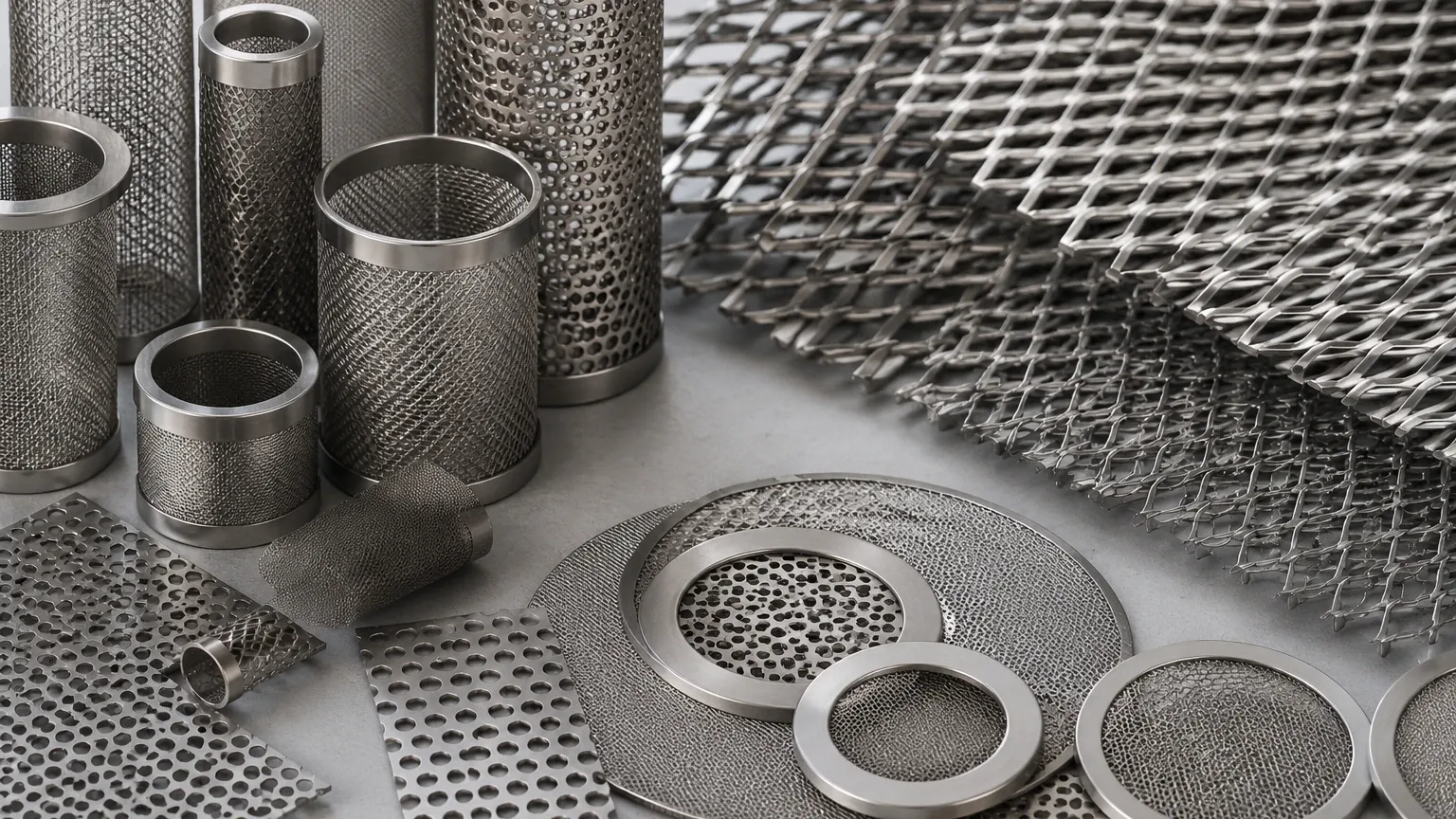
Kaifil specializes in providing customized filtration solutions, where expanded metal is often a component of a larger assembly, such as a stainless steel filter cartridge. Customization introduces variables that standard price lists do not cover.
* Custom Dimensions: Ordering sheets or coils cut to exact tolerances reduces waste at the assembly stage but may involve setup fees for the manufacturer.
* Secondary Fabrication: This includes welding, forming into cylinders, or adding end caps and flanges. For B2B buyers, sourcing a completed component from a single manufacturer like Kaifil can be more cost-effective than purchasing raw expanded metal and outsourcing the fabrication.
* Finishing and Cleaning: Industrial filters often require specialized cleaning, such as ultrasonic cleaning or passivation, to ensure they are free of oils and contaminants. These steps are essential for food, beverage, and pharmaceutical applications and are reflected in the final quote.
Strategic Procurement: Evaluating Total Cost of Ownership
When comparing expanded metal prices, it is a mistake to focus solely on the per-unit cost. A low-cost component that fails prematurely or causes system downtime is far more expensive in the long run. Professional purchasing teams should evaluate the following:
* Durability and Replacement Cycles: High-quality stainless steel expanded metal may have a higher upfront cost but a significantly longer service life, especially in corrosive environments.
* Lead Times and Inventory: Inconsistent supply chains can lead to costly production delays. Working with a reliable manufacturer who can provide consistent quality and predictable lead times is a critical part of the value proposition.
* Technical Support: Access to engineering expertise during the design phase can help optimize the specifications of the expanded metal, potentially reducing material costs without compromising performance.
Conclusion: Navigating the Market for High-Quality Metal Components
Expanded metal is a vital component in modern industrial filtration, offering a unique combination of strength, open area, and material efficiency. While expanded metal prices are influenced by global material markets and manufacturing complexities, the most effective way to manage costs is through precise technical specification and strategic sourcing.
For engineers and procurement managers, the goal is to identify a solution that meets the rigorous demands of the application—whether that involves chemical compatibility, structural integrity under high pressure, or specific flow characteristics. By understanding the impact of material grades, geometric patterns, and secondary processing, professionals can make informed decisions that balance performance with economic reality.
When sourcing components for demanding environments, partnering with a manufacturer that understands the nuances of industrial filtration ensures that the expanded metal provided is not just a commodity, but a precision-engineered part of a high-performance system. For more detailed technical specifications and to explore how custom solutions can fit your specific project needs, you can Review product options and application support to ensure your filtration systems operate at peak efficiency.
