


Lowes Expanded Metal Mesh
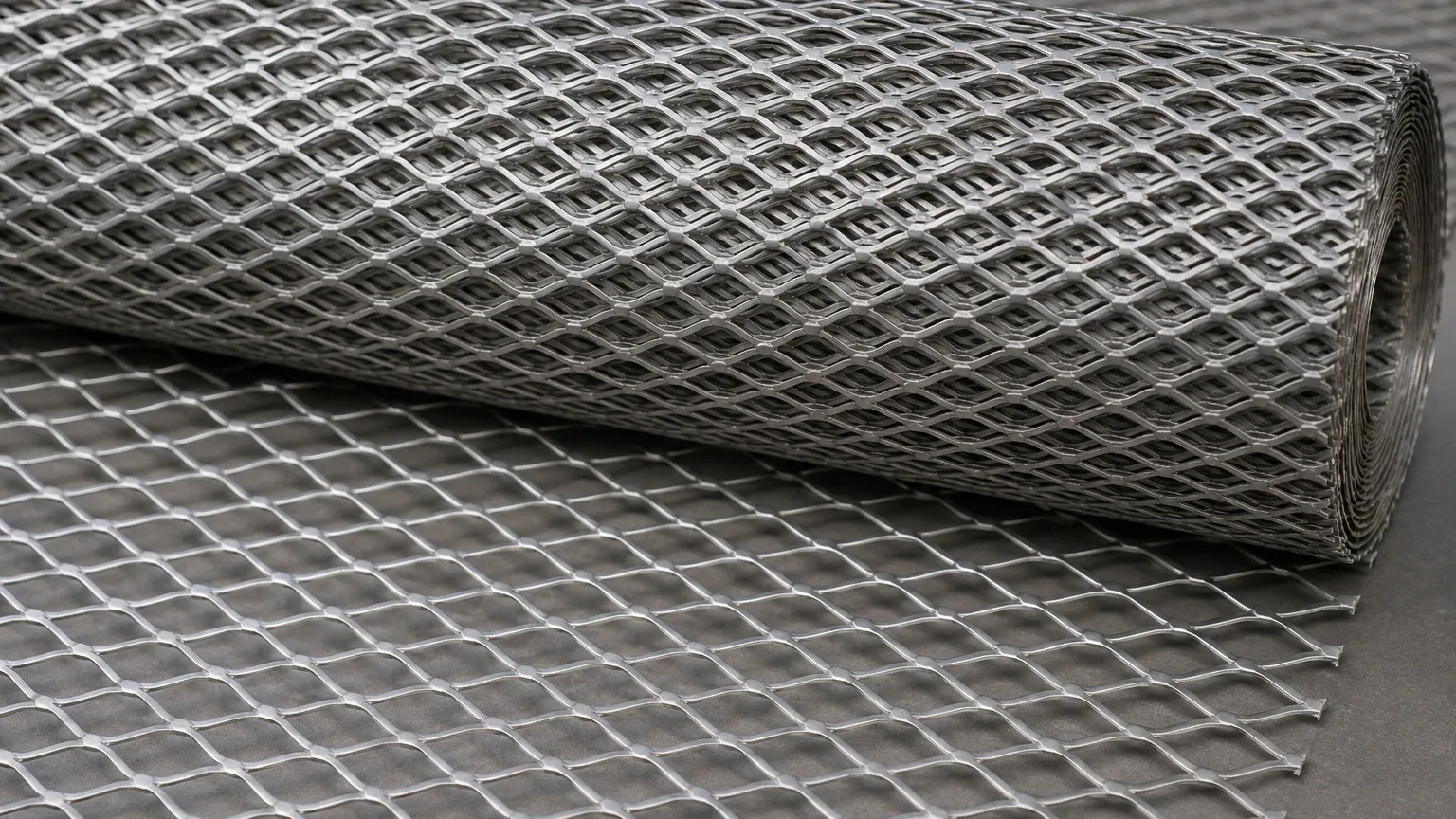
In the realm of industrial design and filtration, selecting the appropriate structural medium is critical for ensuring both performance and longevity. While many engineers and maintenance professionals may initially look toward consumer-facing options like lowes expanded metal mesh for quick repairs or basic prototyping, industrial-scale applications demand a more rigorous evaluation of material properties, tolerances, and manufacturing standards. Expanded metal is a versatile material created by simultaneously slitting and stretching a metal sheet, resulting in a diamond-shaped pattern of openings that provides an exceptional strength-to-weight ratio.
For B2B procurement and engineering teams, the transition from general-purpose hardware to precision-engineered components is often necessitated by the specific demands of the operating environment. Whether the goal is to provide structural support for delicate filter media or to act as a primary screening element in a high-pressure system, understanding the technical nuances of Perforated & Expanded Metal is essential for optimizing industrial processes.
Structural Integrity and Manufacturing Processes of Expanded Metal
The manufacturing process of expanded metal is fundamentally different from that of perforated metal or woven wire mesh. It involves a "slit and stretch" method where a solid sheet of metal—typically stainless steel, carbon steel, or aluminum—is fed through a machine that cuts and expands the material in a single motion. Because the material is stretched rather than punched, there is zero scrap waste, making it an inherently cost-effective and sustainable choice for large-scale industrial projects.
One of the primary advantages of expanded metal is its monolithic structure. Unlike woven mesh, which consists of individual wires that can shift or fray, expanded metal is a single piece of material. The "bonds" where the strands intersect are part of the original metal sheet, providing inherent rigidity and ensuring that the mesh maintains its shape under mechanical stress. This makes it an ideal candidate for applications requiring structural reinforcement, such as the outer cages of heavy-duty filter cartridges or safety guards in industrial machinery.
There are two primary forms of expanded metal: raised (or standard) and flattened. Raised expanded metal features strands that are turned at an angle to the plane of the sheet, providing a textured surface and increased rigidity. Flattened expanded metal undergoes an additional cold-rolling process that levels the strands and bonds, resulting in a smooth, flat surface. For filtration applications where the mesh must be in close contact with a secondary filter layer (such as a fine wire mesh or a synthetic membrane), flattened expanded metal is often preferred to prevent abrasion and ensure a uniform seal.
Retail vs. Industrial: Why Specification Matters for Engineering Projects
When searching for lowes expanded metal mesh, users are typically presented with standardized sizes and materials designed for residential or light commercial use, such as fencing, gutter guards, or decorative panels. While these products are accessible, they often lack the stringent material certifications and precise dimensional tolerances required for chemical processing, pharmaceutical manufacturing, or hydraulic systems.
Industrial-grade expanded metal is defined by its compliance with international standards such as ASTM or ISO. In a B2B context, the material must be accompanied by Mill Test Reports (MTRs) that verify the chemical composition and mechanical properties of the alloy. For instance, while a retail product might be labeled simply as "stainless steel," an industrial application may require 316L stainless steel with a specific carbon content to prevent intergranular corrosion after welding.
Furthermore, industrial manufacturers like Kaifil offer a range of customization options that are not available in the retail sector. This includes specialized edge treatments, custom sheet sizes to minimize waste during assembly, and specific open area percentages tailored to achieve a target flow rate. For engineers, the ability to specify the exact strand width and thickness allows for the calculation of precise pressure drops across the filtration system—a critical factor in maintaining pump efficiency and system integrity.
Technical Parameters: LWD, SWD, and Material Thickness
To accurately specify expanded metal for an industrial project, engineers must use standardized terminology to define the dimensions of the diamond pattern. These parameters directly influence the mechanical strength, weight, and filtration capability of the mesh.
1. Long Way of Diamond (LWD): The distance from the center of one bond to the center of the next bond across the long axis of the diamond.
2. Short Way of Diamond (SWD): The distance from the center of one bond to the center of the next bond across the short axis of the diamond.
3. Long Way of Opening (LWO): The actual clear distance between the bonds across the long axis.
4. Short Way of Opening (SWO): The actual clear distance between the bonds across the short axis.
5. Strand Width: The amount of metal fed into the machine for each expansion stroke.
6. Strand Thickness: The original thickness of the metal sheet.
By manipulating these variables, manufacturers can create a wide spectrum of mesh configurations. A smaller SWD and LWD result in a denser mesh with smaller openings, which provides higher filtration accuracy but also increases the pressure drop. Conversely, a larger diamond pattern offers higher transparency and lower weight, making it suitable for support structures where airflow or liquid flow must be maximized.
For engineers transitioning from a basic lowes expanded metal mesh search to a professional specification, it is vital to consider the "percent open area." This calculation determines how much of the sheet is comprised of holes versus solid metal. In filtration, the open area is a primary driver of the Face Velocity and the overall efficiency of the filter element.
The Role of Perforated & Expanded Metal in Filtration Systems
In industrial filtration, Perforated & Expanded Metal serves several critical functions. While fine wire mesh or specialized membranes perform the actual separation of particles, they often lack the structural strength to withstand the differential pressures encountered in industrial fluid systems. Expanded metal acts as the "skeleton" of the filter.
In a typical multi-layer filter cartridge, expanded metal is used as a support pleat or a rigid core. Because it can be easily rolled into cylindrical shapes and welded, it provides a stable foundation that prevents the fine filter media from collapsing or distorting under high flow rates. The diamond pattern of the expanded metal also helps to distribute the fluid flow evenly across the surface of the filter, reducing the risk of localized clogging and extending the service life of the element.
Beyond support, expanded metal can also serve as a primary coarse filter or "trash strainer." In water treatment or intake systems, large-opening expanded metal is used to capture debris such as leaves, plastic, or stones before the water reaches more sensitive downstream equipment. The durability of stainless steel expanded metal ensures that these strainers can be cleaned repeatedly—often via backwashing or mechanical scraping—without compromising the integrity of the mesh.
Material Selection: Beyond Standard Carbon Steel and Aluminum
One of the most significant differences between retail-grade lowes expanded metal mesh and industrial solutions is the variety of alloys available. Material selection is the most critical factor in determining the chemical compatibility and thermal resistance of the filtration component.
* 304 Stainless Steel: The most common industrial grade, offering good corrosion resistance and excellent formability. It is suitable for food and beverage applications and general industrial environments.
* 316L Stainless Steel: Contains molybdenum, which provides superior resistance to chlorides and pitting. This is the standard for marine environments, chemical processing, and pharmaceutical applications where aggressive cleaning agents are used.
* Duplex Stainless Steel: Used in highly corrosive environments, such as desalination plants or oil and gas processing, where both high strength and extreme corrosion resistance are required.
* Specialty Alloys: For high-temperature applications (exceeding 800°C), alloys like Inconel or Monel may be used to maintain structural integrity where standard steels would fail.
When selecting a material, engineers must also consider the potential for galvanic corrosion. If the expanded metal mesh is in contact with a different metal in an electrolytic fluid, it could lead to rapid degradation. Specifying the correct alloy ensures that the filter remains operational for its intended lifecycle, reducing the total cost of ownership by minimizing unplanned maintenance and replacement.
Evaluating Performance: Flow Rates, Pressure Drops, and Structural Support
In a B2B environment, the selection of expanded metal is a data-driven process. Engineers must balance the need for structural support with the requirement for low resistance to flow. A common challenge in filter design is the "blind spot" created by the bonds of the expanded metal. If the bond area is too large, it can block a significant portion of the active filter media, leading to higher localized velocities and faster fouling.
To mitigate this, manufacturers can adjust the expansion ratio to create a thinner strand width while maintaining the necessary thickness for structural rigidity. In hydraulic systems, where pressure spikes are common, the expanded metal must be rated for a specific burst pressure. This is calculated based on the tensile strength of the alloy and the geometry of the mesh.
Another performance factor is the surface finish. Industrial expanded metal can be passivated or electropolished to remove surface contaminants and improve the chromium oxide layer, which is essential for corrosion resistance. In the food and pharmaceutical industries, a smooth, burr-free surface is mandatory to prevent the accumulation of bacteria and to facilitate thorough Clean-in-Place (CIP) procedures. This level of finishing is rarely found in standard retail products like lowes expanded metal mesh.
Procurement Considerations: Customization and Long-Term Reliability
For purchasing teams, the decision to partner with a specialized manufacturer like Kaifil rather than sourcing through general distributors comes down to long-term value and technical support. Industrial procurement involves more than just a transaction; it requires a collaborative approach to ensure the component meets the exact needs of the application.
Key considerations for B2B buyers include:
* Custom Dimensions: Ordering sheets or coils cut to the exact size required for production lines reduces labor costs and material waste.
* Prototyping Services: Engineers often require small batches of custom-configured mesh to test in pilot plants before committing to high-volume production.
* Quality Documentation: Ensuring that every batch of material is traceable and meets the required industrial standards (e.g., REACH, RoHS, or FDA compliance for food contact).
* Supply Chain Stability: Working directly with a manufacturer provides better visibility into lead times and ensures a consistent supply of specialized alloys that may not be stocked by local retailers.
While lowes expanded metal mesh may serve as a convenient solution for non-critical, low-stress applications, the complexities of industrial filtration and structural engineering demand a more sophisticated approach. By focusing on the technical parameters of Perforated & Expanded Metal, engineers can design systems that are more efficient, durable, and cost-effective over their entire operational life. Whether you are designing a new chemical reactor, a hydraulic filtration system, or a food processing line, the choice of expanded metal is a foundational decision that impacts the success of the entire project.
