


2 Strainer Basket
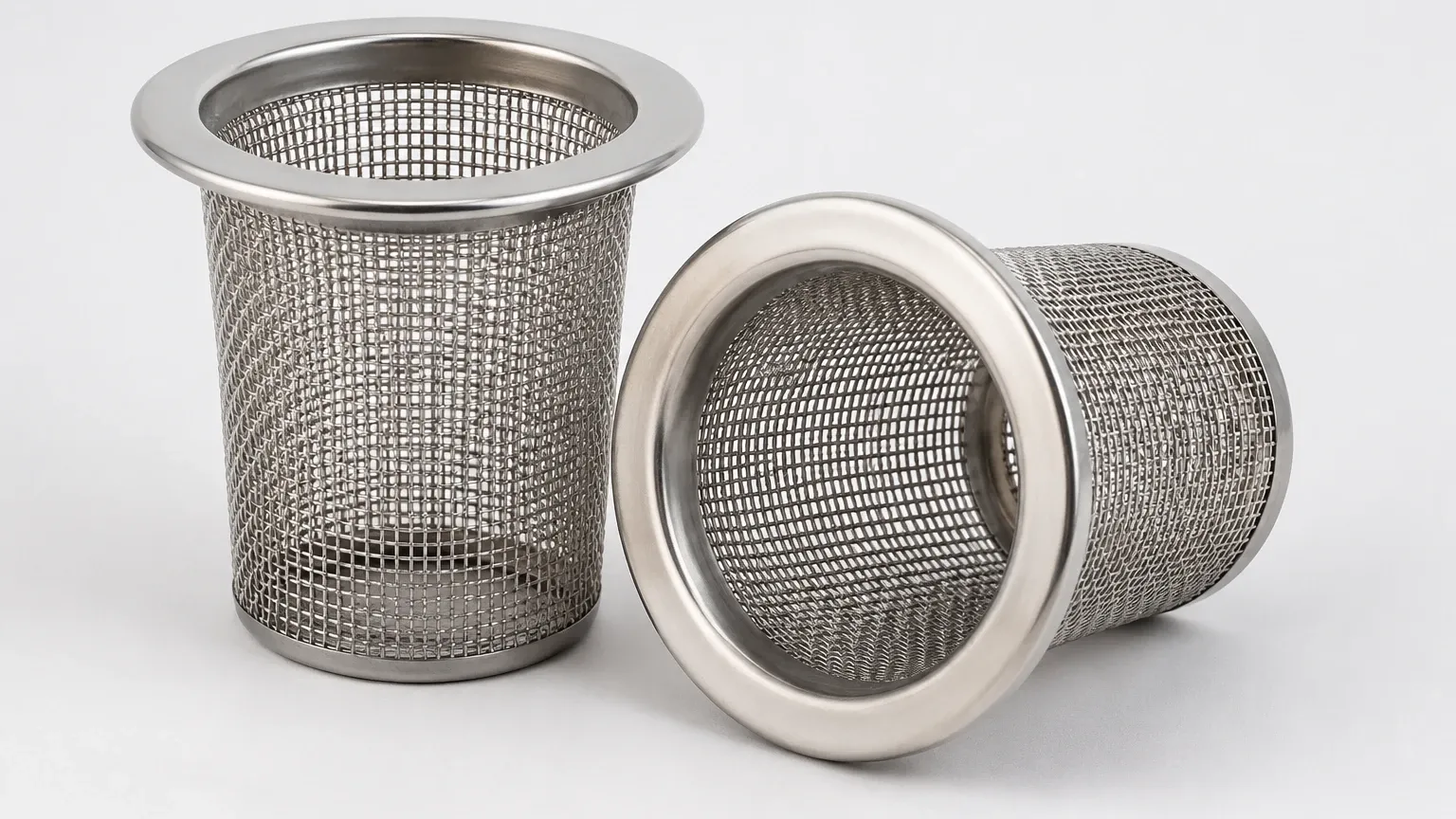
In industrial fluid handling systems, the protection of downstream equipment such as pumps, valves, and heat exchangers is a critical engineering priority. The 2 strainer basket serves as a primary mechanical barrier, designed to remove coarse particles and debris from process liquids. Whether the "2" refers to a 2-inch pipe connection size or a standard industry "Size 2" basket dimension, selecting the correct configuration requires a deep understanding of material compatibility, flow dynamics, and filtration efficiency.
Industrial filtration often begins with these robust components. As a specialized manufacturer, Kaifil provides precision-engineered Strainers & Baskets that meet the rigorous demands of chemical processing, food and beverage production, and hydraulic systems. This guide explores the technical specifications, selection criteria, and maintenance considerations essential for engineers and purchasing teams managing industrial filtration assets.
Defining the 2 Strainer Basket Specification
When specifying a 2 strainer basket, it is vital to distinguish between the nominal pipe size (NPS) of the housing and the trade size of the basket itself.
1. 2-Inch Connection Strainers: These are designed for piping systems with a 2-inch diameter. The baskets within these housings must be sized to provide sufficient surface area to prevent excessive pressure drop while maintaining a compact footprint.
2. Trade Size 2 Baskets: In the context of liquid bag filter housings and large-scale basket strainers, a "Size 2" basket typically refers to a standard dimension—often approximately 7 inches in diameter and 30 inches in length. These are frequently used in high-volume applications where high dirt-holding capacity is required.
Understanding which "2" your system requires is the first step in procurement. Misidentifying these dimensions can lead to bypass issues, where unfiltered liquid escapes around the edges of an ill-fitting basket, or catastrophic failure due to improper seating within the housing.
Material Engineering and Chemical Compatibility
The performance of a 2 strainer basket is largely dictated by its material of construction. Industrial environments often involve corrosive fluids, high temperatures, and varying pH levels. Kaifil utilizes high-grade stainless steel to ensure longevity and structural integrity.
Stainless Steel 304 (SS304)
SS304 is the standard choice for general-purpose industrial applications. It offers excellent corrosion resistance in water treatment, food processing, and many chemical environments. It is cost-effective and provides the necessary strength to withstand the mechanical stresses of high-pressure flow.
Stainless Steel 316L (SS316L)
For applications involving high chloride concentrations or aggressive chemicals, SS316L is preferred. The addition of molybdenum enhances its resistance to pitting and crevice corrosion. In the pharmaceutical and food industries, the "L" (low carbon) variant is often specified to prevent carbide precipitation during welding, ensuring the basket remains sanitary and resistant to intergranular corrosion.
Specialty Alloys
In extreme cases involving highly acidic or alkaline process streams, specialized alloys or coatings may be applied to the stainless steel substrate. Engineers must evaluate the Chemical Resistance Guide for every component of the strainer, including the basket, the housing, and the gaskets (such as Viton, EPDM, or PTFE).
Filtration Media: Perforated Metal vs. Wire Mesh
The 2 strainer basket can be constructed using different types of filtration media depending on the required micron rating and the nature of the contaminants.
Perforated Metal Baskets
Perforated metal is used for coarse filtration, typically removing particles larger than 1/32 inch. The hole size and the "open area" percentage are the two most important variables. A higher open area reduces the initial pressure drop but may compromise the structural rigidity of the basket if the bridge between holes is too narrow. Common perforation patterns include staggered or straight-row circular holes.
Wire Mesh Lined Baskets
When finer filtration is required—down to 20 microns or less—a perforated metal basket serves as a support structure (the "cage") for a fine stainless steel wire mesh lining. This multi-layer construction allows the 2 strainer basket to capture small particulates while maintaining the mechanical strength needed to resist collapsing under high differential pressure.
Wedge Wire Elements
For heavy-duty applications, wedge wire (V-wire) can be used. This design is particularly effective for sticky or fibrous materials because the V-shaped profile reduces the risk of blinding and makes backwashing or manual cleaning significantly easier.
Engineering Considerations: Flow Rate and Pressure Drop
One of the most common mistakes in filter selection is undersizing the basket, which leads to frequent cleaning cycles and system downtime. The relationship between flow rate, viscosity, and pressure drop (Delta P) must be calculated during the design phase.
Clean Pressure Drop
A clean 2 strainer basket should ideally contribute a pressure drop of less than 2 PSI to the system. If the initial Delta P is too high, the system will reach its terminal pressure drop (the point at which cleaning is required) much faster, reducing operational efficiency.
The Impact of Viscosity
Viscosity has a linear impact on pressure drop. If you are straining heavy oils or resins, the flow rate through a standard 2-inch basket will be significantly lower than that of water. Engineers should apply correction factors based on the fluid's centipoise (cP) rating to ensure the basket can handle the required throughput.
Open Area Ratio
The ratio of the basket's open area to the internal cross-sectional area of the inlet pipe is a key metric. A high-quality industrial strainer basket typically offers an open area ratio of at least 6:1. This ensures that even when the basket is 50% clogged, the pressure drop remains within acceptable limits for the pump.
Customization and OEM Capabilities
Standard off-the-shelf components do not always meet the specific needs of complex industrial systems. Kaifil specializes in customized filtration solutions, allowing for modifications that improve ease of use and performance.
* Handle Designs: Custom handles (slant, flat, or heavy-duty) can be integrated to facilitate easier removal from deep housings.
* Reinforced Bottoms: For high-pressure applications where debris may settle heavily at the base, reinforced or double-bottom baskets prevent deformation.
* Magnetic Inserts: In metalworking or machining applications, magnetic rods can be installed within the basket to capture fine ferrous particles that might otherwise pass through the mesh.
* Custom Dimensions: If a legacy system requires a non-standard 2 strainer basket, precision manufacturing allows for exact dimensional matching to prevent bypass.
For more information on specific configurations, you can Review product options and application support to determine the best fit for your equipment.
Installation and Maintenance Protocols
The longevity of a 2 strainer basket depends on proper installation and a disciplined maintenance schedule. Failure to maintain the basket can lead to "bursting," where the differential pressure exceeds the structural limit of the mesh, sending both the debris and pieces of the basket into the downstream process.
Installation Checklist
1. Directional Flow: Ensure the basket is oriented correctly. Most baskets are designed for inside-to-outside flow, where debris is captured inside the basket for easy removal.
2. Gasket Integrity: Inspect the O-ring or gasket at the top of the basket. A worn gasket is the primary cause of bypass.
3. Seating: Confirm the basket is firmly seated in the housing flange. Any movement during operation can cause mechanical wear and bypass.
4. Venting: When restarting the system after cleaning, ensure the housing is properly vented to remove air pockets, which can cause water hammer and damage the filtration media.
Cleaning and Replacement
Differential pressure gauges are the most reliable indicators of when a 2 strainer basket needs cleaning. A common rule of thumb is to clean the basket when the pressure drop reaches 10-15 PSI above the clean reading.
Cleaning methods vary by contaminant:
* Manual Cleaning: Rinsing with a high-pressure hose is sufficient for many applications.
* Ultrasonic Cleaning: For fine mesh baskets used in the pharmaceutical or food industries, ultrasonic baths can remove microscopic particles trapped within the weave.
* Chemical Soaking: If the basket is fouled with resins or scales, soaking in a compatible solvent or mild acid may be necessary.
Total Cost of Ownership (TCO)
When evaluating a 2 strainer basket, purchasing teams should look beyond the initial acquisition cost. The Total Cost of Ownership includes:
* Durability: A high-quality stainless steel basket from a manufacturer like Kaifil may cost more upfront than a generic alternative but will last significantly longer in corrosive environments.
* Cleaning Labor: Baskets designed for easy removal and cleaning reduce labor costs and downtime.
* Downstream Protection: The cost of a failed strainer basket is often measured in the thousands of dollars required to repair a damaged pump or replace a contaminated batch of product.
By investing in precision-engineered Strainers & Baskets, industrial operators can ensure process stability and protect their most valuable mechanical assets.
Conclusion
The 2 strainer basket is a fundamental component in the industrial filtration landscape. Whether used in a 2-inch piping system or as a Size 2 high-capacity element, its design, material, and maintenance directly impact the efficiency of the entire process. By focusing on technical specifications—such as material grade (SS304/SS316L), filtration media type, and pressure drop calculations—engineers can select a solution that provides reliable performance and long-term value. Kaifil remains committed to delivering these high-performance filtration components, tailored to the specific needs of demanding industrial applications.
