


Best Wire Strainers Australia
In industrial processing and fluid handling, the efficiency of a system often hinges on the reliability of its filtration components. For engineers and procurement specialists seeking the best wire strainers Australia has to offer, the selection process goes beyond simple dimensions. It requires a deep understanding of material science, fluid dynamics, and the specific environmental challenges present in Australian industrial sectors, such as mining, food and beverage production, and chemical processing.
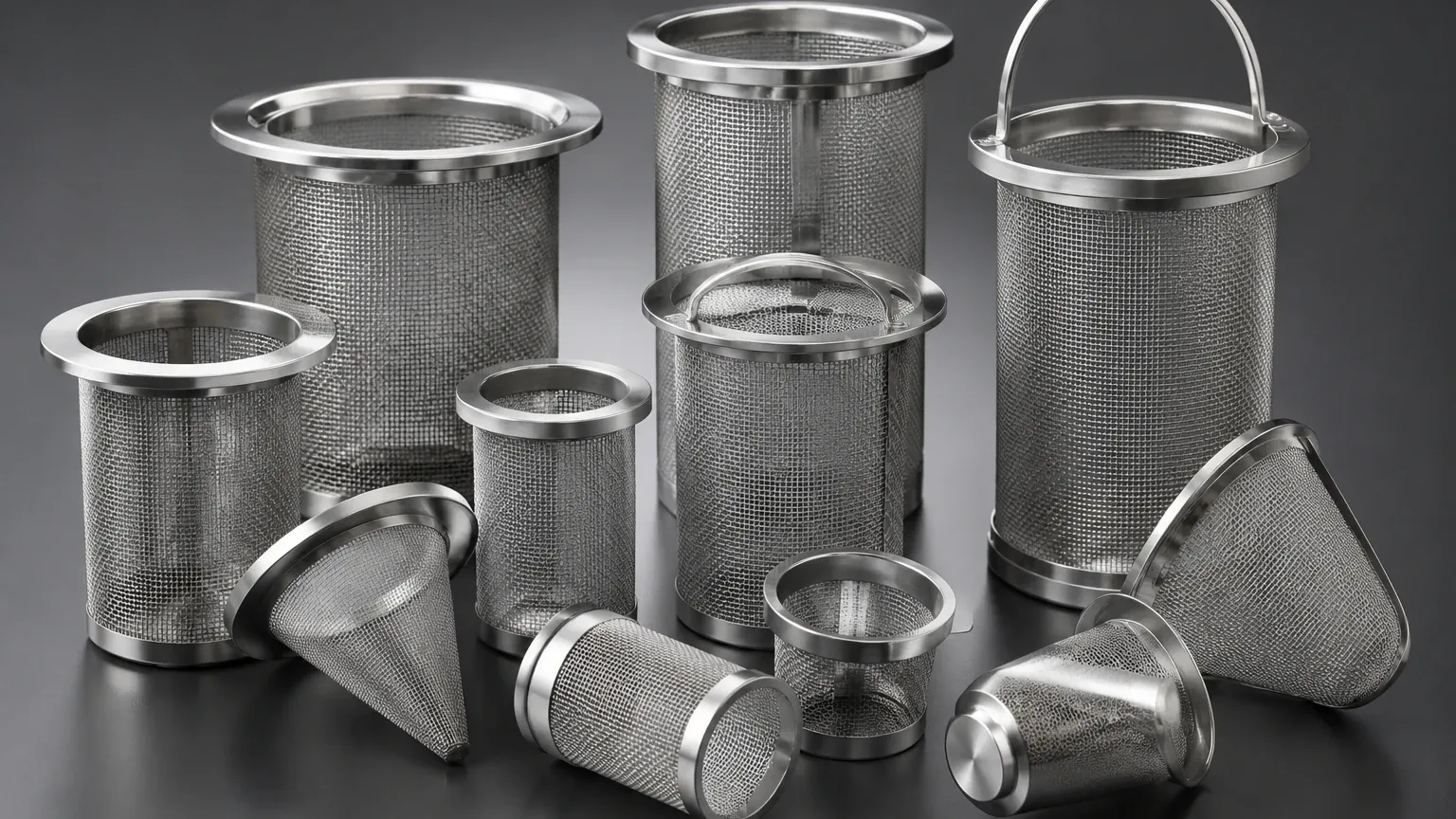
Selecting high-performance Strainers & Baskets involves evaluating how a component will perform under high pressure, corrosive conditions, and varying flow rates. This guide examines the technical criteria essential for identifying superior wire strainers and the engineering considerations that ensure long-term operational success.
Engineering Foundations of High-Quality Wire Strainers
The performance of a wire strainer is primarily dictated by its construction materials and the precision of its mesh. In the Australian market, where industrial sites may range from arid mining regions to humid coastal processing plants, material selection is the first line of defense against premature failure.
Material Selection: 304 vs. 316L Stainless Steel
Most industrial strainers are manufactured from stainless steel due to its inherent strength and resistance to oxidation. However, the specific grade is critical:
* Grade 304: Suitable for general industrial applications where moisture exposure is moderate. It provides excellent mechanical strength and cost-effectiveness for non-corrosive fluids.
* Grade 316L: The "L" stands for low carbon, which improves weldability and resistance to intergranular corrosion. This grade is essential for applications involving saline environments, chlorides, or aggressive chemicals. For many seeking the best wire strainers Australia provides for maritime or chemical industries, 316L is the standard requirement.
Mesh Precision and Weave Types
The filtration accuracy of a wire strainer is determined by the mesh count and the weave pattern. Plain weave is common for standard filtration, while twilled weaves allow for heavier wires in finer meshes, providing increased durability. Engineers must ensure that the wire diameter is sufficient to withstand the differential pressure (ΔP) across the strainer without deforming the aperture size.
Key Evaluation Criteria for Industrial Applications
When evaluating the best wire strainers Australia-based projects require, technical professionals must look past the initial purchase price and focus on performance metrics that impact the total cost of ownership.
1. Open Area Ratio (OAR)
The Open Area Ratio is the relationship between the total area of the openings in the mesh and the total area of the pipe inlet. A high OAR is desirable because it results in a lower initial pressure drop and longer intervals between cleanings. A well-engineered basket strainer typically aims for an OAR of at least 6:1 or 8:1 relative to the internal pipe cross-section.
2. Structural Integrity and Reinforcement
Wire mesh is inherently flexible. For high-pressure applications, the mesh must be supported by a perforated metal backup or a heavy-duty internal frame. Without proper reinforcement, the mesh can experience "blind-off" or physical rupture when debris accumulates and pressure builds. Superior strainers utilize precision welding techniques, such as TIG or plasma welding, to ensure that the seams of the basket remain intact under stress.
3. Micron Rating vs. Flow Rate
There is a direct trade-off between filtration fineness (micron rating) and flow capacity. Specifying a mesh that is too fine for the application will lead to frequent clogging and system downtime. Conversely, a mesh that is too coarse will allow harmful particulates to pass through, potentially damaging downstream equipment like pumps or heat exchangers.
Customization: Why Standard Solutions Often Fall Short
Many industrial systems in Australia operate under unique parameters that standard, off-the-shelf components cannot satisfy. This is where custom-engineered Strainers & Baskets provide significant value. Customization allows for the optimization of several factors:
* Non-Standard Dimensions: Fitting into existing piping layouts without the need for expensive manifold modifications.
* Specific Handle Designs: Incorporating ergonomic handles or specialized lifting lugs for heavy-duty baskets used in large-scale mining or water treatment facilities.
* Multi-Stage Filtration: Combining different mesh layers within a single basket to capture a range of particle sizes, effectively acting as both a coarse and fine filter in one unit.
For those searching for the best wire strainers Australia can integrate into complex systems, OEM (Original Equipment Manufacturer) capabilities are vital. Working directly with a manufacturer like Kaifil allows for the development of bespoke filtration components that meet exact micron requirements and structural specifications.
Maintenance and Operational Longevity
The longevity of a wire strainer is not just about the build quality but also how it is maintained. In Australian industrial environments, downtime is exceptionally costly, making the ease of maintenance a primary selection factor.
Cleaning Cycles and Accessibility
Baskets should be designed for quick removal and cleaning. Features such as slant-top designs or quick-release covers on the strainer housing facilitate faster turnaround times. If a strainer is difficult to clean, maintenance staff may delay the process, leading to increased pressure drops and potential system failure.
Identifying Wear and Tear
Regular inspection should focus on:
* Erosion of the wire: Especially in high-velocity systems or those carrying abrasive particulates.
* Gasket/Seal Integrity: Ensuring the bypass of unfiltered fluid does not occur around the edges of the basket.
* Deformation: Checking for any signs that the mesh is bowing or stretching under pressure.
Common Risks in Procurement
Procuring the best wire strainers Australia requires involves navigating potential pitfalls in the supply chain. Engineers should be wary of "generic" stainless steel claims. Without material certification (MTR), there is no guarantee that the alloy will withstand the intended chemical environment.
Another risk is poor welding quality. In many low-cost strainers, the mesh is poorly joined to the top ring or bottom plate. These weak points are the first to fail under hydraulic shock or thermal expansion. It is essential to confirm that the manufacturer employs rigorous quality control measures and has experience in producing precision metal filter components for demanding industrial sectors.
Technical Checklist for Purchasing Teams
Before finalizing a purchase for industrial strainers, the following technical details should be confirmed with the manufacturer:
1. Fluid Compatibility: Is the alloy resistant to the specific chemicals or pH levels of the process fluid?
2. Maximum Differential Pressure: What is the burst pressure of the basket design?
3. Filtration Surface Area: Does the design provide enough surface area to meet the required cleaning interval?
4. Compliance Standards: Does the product meet relevant industry standards (e.g., food-grade requirements for F&B applications)?
5. Seal Type: Are the O-rings or gaskets compatible with the temperature and chemical profile of the system?
Conclusion
Identifying the best wire strainers Australia offers for industrial use requires a focus on engineering precision over simple availability. By prioritizing high-grade materials like 316L stainless steel, optimizing the open area ratio, and ensuring robust structural reinforcement, facilities can significantly improve their process reliability.
Whether for hydraulic systems, water treatment, or chemical processing, the right Strainers & Baskets act as a critical insurance policy for downstream equipment. For engineers, the goal is to find a balance between filtration efficiency and operational durability, ensuring that the chosen solution can withstand the rigors of the Australian industrial landscape while minimizing the total cost of ownership through reduced maintenance and extended service life.
